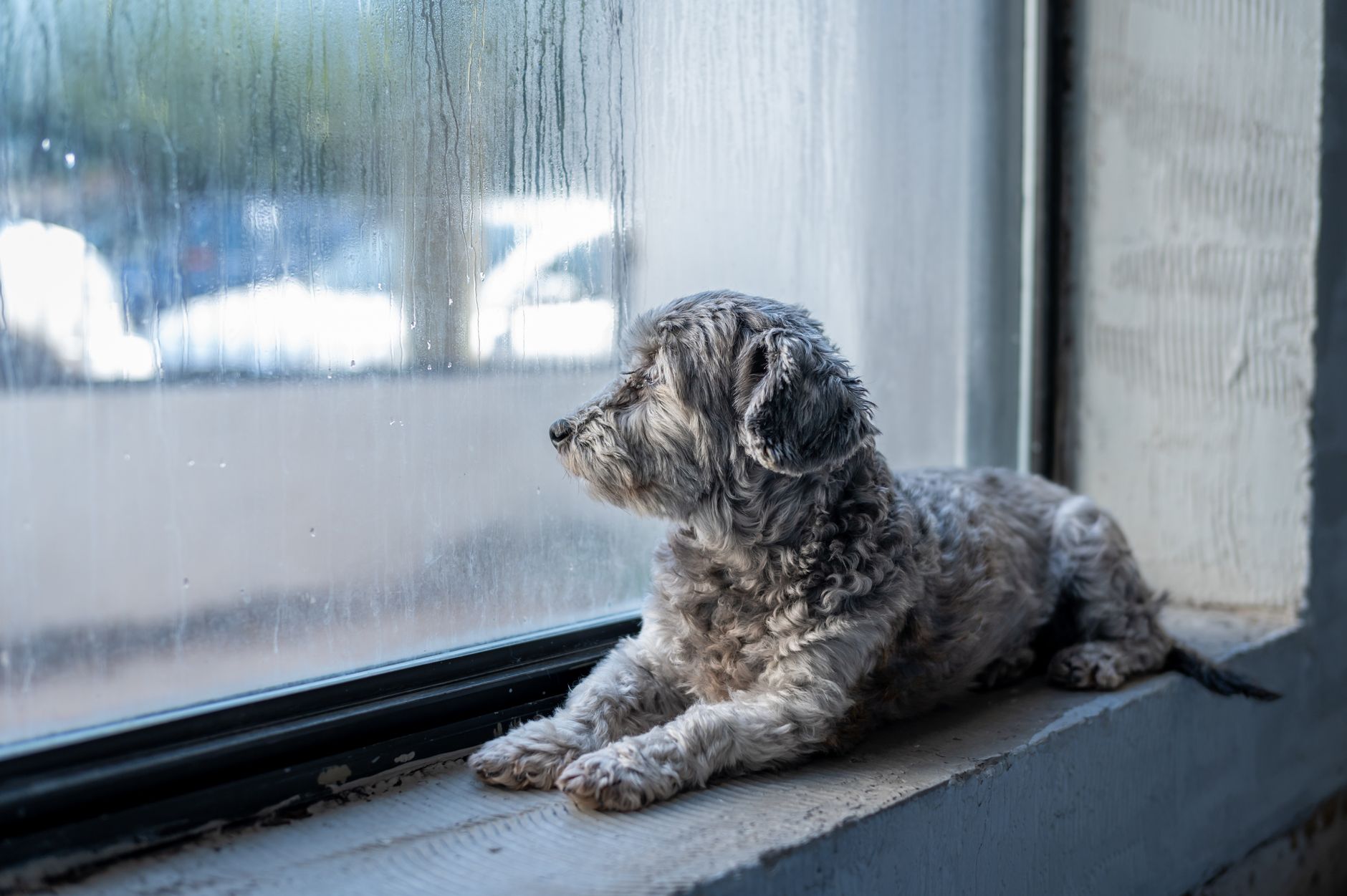
Rainy weather creates a familiar challenge for pet households: fur, paws, bedding, and litter areas may stay damp long after the rain stops. Warm, humid conditions can make skin irritation and odor more noticeable, but itching or hair loss does not automatically mean a fungal infection. Allergies, parasites, bacterial problems, and ear disease can look similar, so the practical goal is to control moisture while watching for changes that need professional assessment. The following guide focuses on homes with dogs or cats, including small apartments, multi-pet households, long-coated pets, and older animals.
Start with the indoor environment
The first step is not bathing more often; it is limiting the time your pet spends in a warm, damp space. Use a dehumidifier in the room where your pet spends the most time, keep air moving without blowing directly on the animal for long periods, and check corners, floors, and bedding for condensation or a musty smell. A dry-looking surface can still hold moisture underneath a bed or mat, so lift items regularly rather than checking only the top.
- In a small apartment, prioritize the sleeping area, entryway, and space around the litter box.
- Keep litter boxes away from damp walls and inspect the mat underneath for trapped moisture.
- Clean the dehumidifier tank, filter, and collection area according to the manufacturer’s instructions.
Dry paws and coat after every wet outing
After a dog comes in from the rain, blot the coat with an absorbent towel instead of rubbing only the outer fur. Check between the toes, around the paw pads, under the belly, in the armpits, around the tail base, and along the outer ear. Long-haired pets may appear dry on the surface while the hair close to the skin remains wet. If a dryer is needed, use a low-temperature setting, keep it at a safe distance, and move it continuously; do not direct hot air into the ear canal.
Once the coat is dry, look for redness, flakes, crusts, bald patches, odor, or repeated licking. These signs cannot identify fungus by themselves, because several skin conditions overlap. If an abnormal area persists, spreads, or returns, a veterinary examination is safer than trying multiple over-the-counter creams. Puppies, kittens, senior pets, and animals with chronic conditions deserve earlier attention because their skin problems may become complicated more quickly.
Be careful with bathing and medicated products
Humidity can tempt owners to bathe a pet more often, but excessive bathing or the wrong cleanser may irritate the skin’s protective surface. Choose products made for the species and follow a schedule suited to the animal’s coat and skin; human shampoo, essential oils, fragranced sprays, and unapproved antifungal products should not be applied casually. If a veterinarian prescribes a medicated bath, follow the stated dilution, contact time, rinsing method, and frequency rather than changing the routine when the skin looks slightly better.
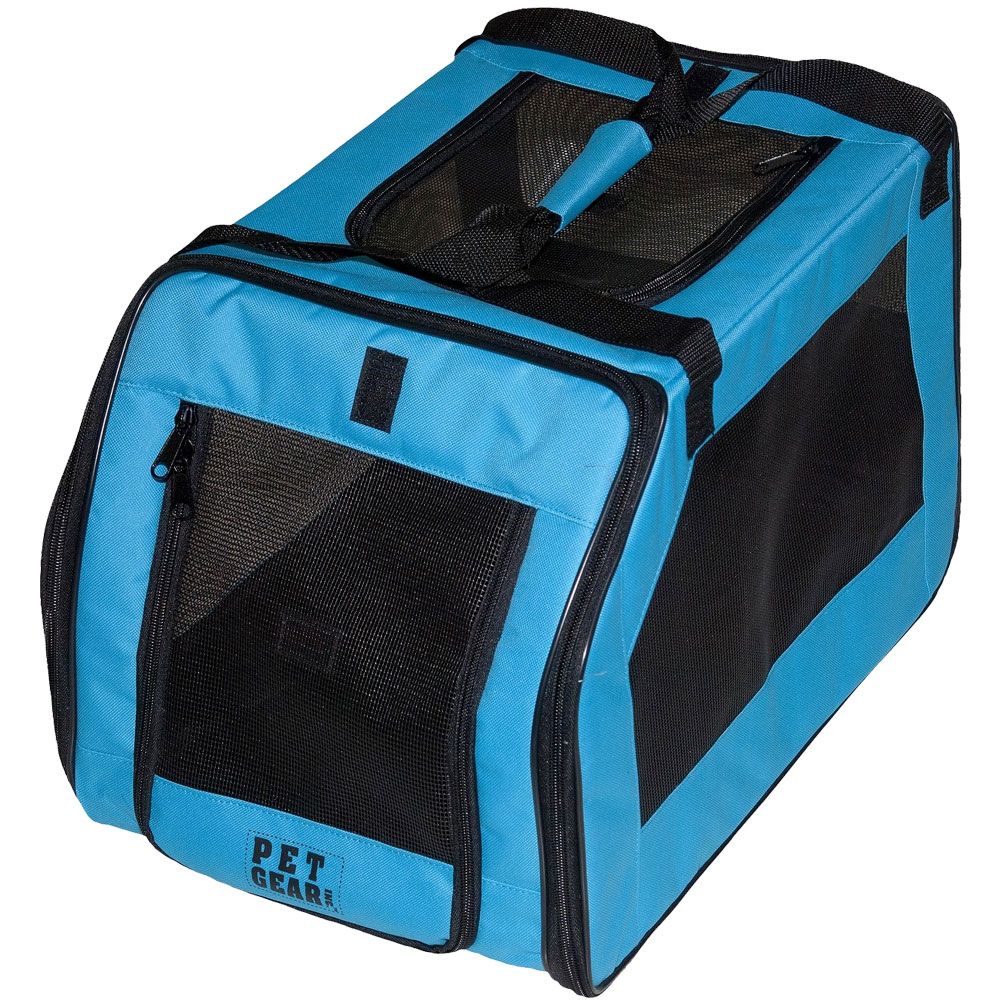
Cleaning tools also need a routine. Rotate several towels, spread them fully to dry, and wash brushes, carriers, harnesses, and mats according to their materials. When a fungal skin problem is suspected or confirmed, separating personal items, removing loose hair, and cleaning the environment according to veterinary advice are important because treating only the visible patch may leave contaminated material behind.
Bedding and litter areas deserve extra attention
Pets spend many hours on beds, blankets, and mats, making these items easy places for moisture and odor to persist. A waterproof cover can simplify cleaning, but moisture may still collect between the cover and the floor. Wash bedding as appropriate for its fabric and let every layer dry completely before use. Keeping a spare bed available is useful during the rainy season, especially for senior dogs, cats that sleep in one spot, or households that cannot dry laundry quickly.
Litter areas also need inspection. Spilled water, urine splashes, and a damp litter mat can create a persistently wet zone even when the rest of the room feels comfortable. Remove visible waste first, use a cleaner compatible with the surface, and allow the area to dry before returning the box. Never mix bleach with acidic or ammonia-containing products, and avoid strong fumes while pets remain in a poorly ventilated room.
Know when skin changes need a veterinarian
Persistent scratching, repeated paw licking, localized hair loss, circular scaling, crusts, strong odor, recurring ear irritation, or a lesion that keeps expanding should be discussed with a veterinarian. Dermatophytosis can spread through contact with infected animals or contaminated material, so tell the clinic if more than one pet or a person in the household has developed a suspicious skin change. Appearance alone is not enough for a reliable diagnosis, and different causes may require very different care.
While waiting for an appointment, avoid sharing towels, brushes, and bedding, and try to prevent excessive licking or chewing of the area. Note when the problem began, where it appeared, whether it is spreading, and whether there were recent baths, grooming visits, diet changes, or contact with other animals. Seek prompt veterinary care if your pet has marked lethargy, reduced appetite, rapid progression, or obvious pain. This article is general information, not a substitute for veterinary diagnosis or treatment.
A workable rainy-season routine can be remembered as dry, clean, and observe. Dry paws and the coat after wet walks, manage humidity around sleeping and litter areas, wash and fully dry supplies, and spend a few minutes checking the skin and ears each day. Families with limited budgets do not need to buy every device at once: start with absorbent towels, a washable spare bed, and basic moisture control, then add equipment according to the home’s humidity and the pet’s needs. When odor, itching, redness, crusting, or hair loss continues, professional assessment is usually more efficient than repeatedly changing shampoos or household sprays.