Understanding rash and eczema in dogs
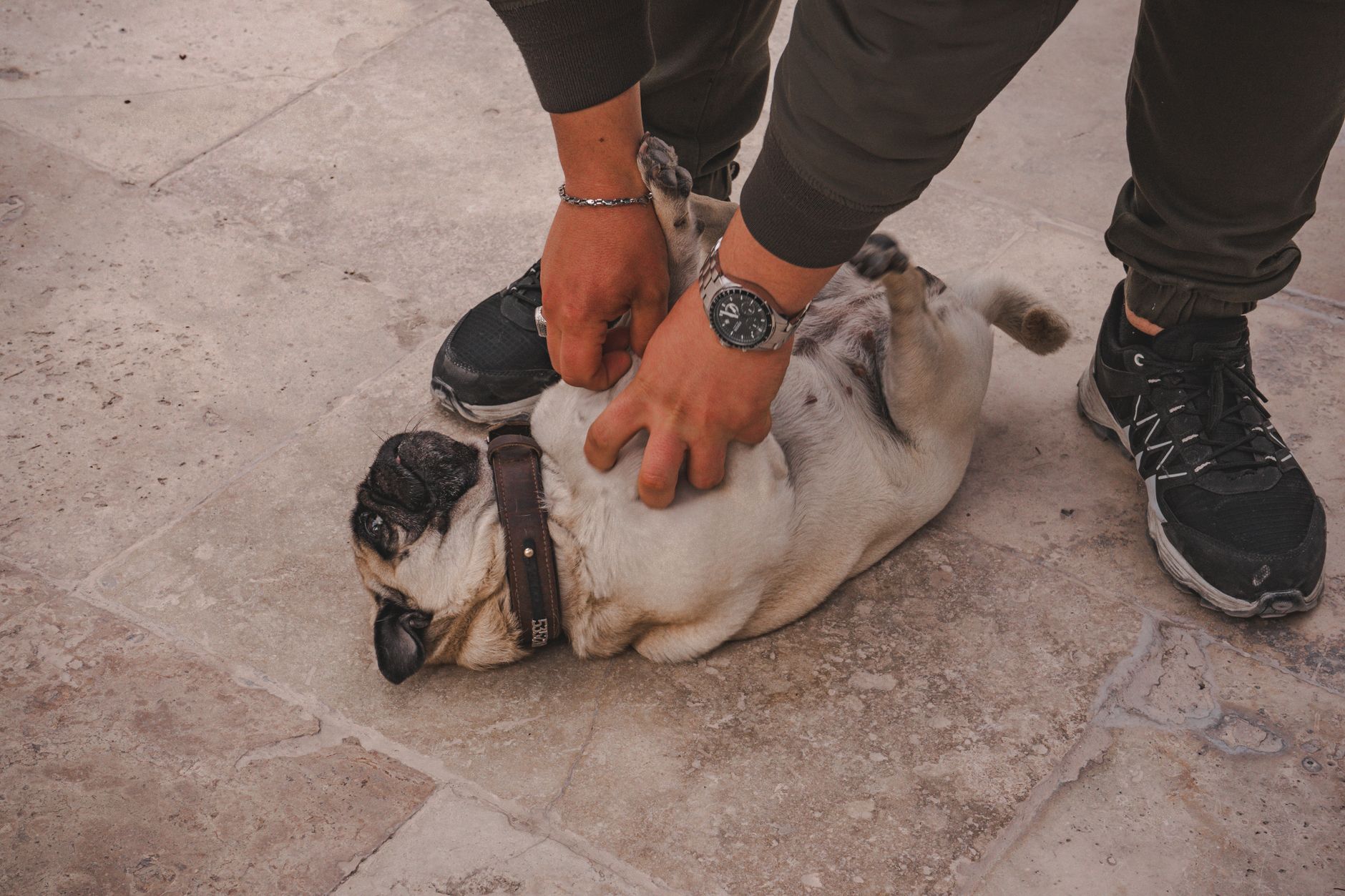
A skin rash in dogs does not always mean eczema, but the two are often discussed together because they can look similar. A rash usually signals irritation or inflammation on the skin, while eczema is often associated with itching, oozing, crusting, and repeated scratching or licking. Common areas include the belly, armpits, paws, and behind the ears. For owners, the first step is not to guess the diagnosis, but to observe where it appears, whether the skin is wet or dry, and whether the dog keeps focusing on the same spot.
Gentle cleaning matters more than frequent washing
When caring for irritated skin, the goal is to reduce刺激, not to wash the coat aggressively. Many veterinarians recommend a mild, low-irritation dog shampoo, followed by thorough drying after each bath, especially in the armpits, between the toes, and along skin folds where moisture can stay trapped. If the skin is already red, hot, or broken, avoid scrubbing, human shampoo, alcohol, or random ointments, because these can make the area more uncomfortable instead of calmer.
- Pat the coat dry first, then use cool or low heat to finish drying
- Keep the affected area dry and avoid trapping moisture in the fur
- If the dog resists bathing, ask a vet about local cleaning options
Prevent scratching, licking, and biting from making it worse
One of the most common reasons a mild skin problem becomes a bigger one is repeated scratching, licking, and rubbing. If a dog keeps targeting the same patch, owners should stop the ongoing irritation with trimmed nails, an e-collar if needed, or other vet-guided anti-lick measures. This matters because broken skin is more likely to develop a secondary infection, which makes the care plan more complicated and usually requires more than simple home attention.
- Watch whether the itching gets worse at night
- Check bedding, carpets, and walking routes for possible triggers
- Do not ignore a small red spot if the dog keeps licking it
Finding the trigger is as important as calming the symptoms
Common causes of eczema-like skin problems include food sensitivity, environmental allergens, flea bites, humid weather, and a weaker skin barrier. In Taiwan’s damp climate, a dog that stays wet after a bath or after a rainy walk may have a harder time keeping the skin comfortable. Owners can review food, season, bath routine, outdoor spots, and the home environment, then work with a veterinarian if allergy testing or an elimination diet is needed.
- Note when flare-ups happen most often
- Check whether a new food, cleanser, or home move came first
- If parasites are suspected, inspect both the dog and the environment
Food, home care, and daily habits should work together
Topical care alone is usually not enough when skin issues keep coming back. Daily management often includes keeping bedding clean, washing blankets regularly, reducing stuffy indoor conditions, and avoiding known irritants. If a veterinarian suspects food-related triggers, owners usually need to stick with a fixed diet for a while instead of switching foods often, because frequent changes make it much harder to track what is actually affecting the skin.
- Keep food and treats consistent during the observation period
- Wash beds, blankets, and favorite resting spots regularly
- Dry the paws and belly after rainy walks or outdoor play
When to see a veterinarian
If the rash keeps spreading, starts oozing, smells bad, causes major hair loss, or comes with lower energy or appetite, home care is no longer enough. Puppies, senior dogs, dogs with a history of chronic skin problems, and dogs that scratch until they bleed should be checked sooner rather than later. A timely exam can help confirm whether the problem is simple irritation or something that needs medical treatment such as bacterial or fungal care.
For owners, the key is patience, observation, and consistency. Reduce irritation first, look for the trigger next, and then follow the veterinarian’s plan closely. That approach gives the skin a better chance to settle into a manageable routine.