Many Yorkshire Terrier owners start out thinking any small kibble will do, only to find their dog either leaves food in the bowl or slowly turns into a round little couch buddy. Yorkies are petite, with fine bones, lively personalities and a tendency toward sensitive digestion and dental issues, so everyday food choices have a visible impact on stool quality, coat condition and energy. This article looks at small‑breed needs, ingredients, kibble size, calorie density and costs over time, so owners can choose dog food their Yorkie can realistically eat and stay on, instead of chasing brand names or short‑term appetite alone. The aim is to offer decision logic first, then practical recommendation patterns that fit different budgets and living situations.
Size and activity traits of Yorkshire Terriers
Adult Yorkshire Terriers typically weigh around 2–4 kilograms, with narrow frames and short legs. Indoors, many enjoy bursts of play and following people from room to room, but not every household provides long walks or intense outdoor exercise every day. For a dog this size, a small difference in daily calories can gradually lead to a noticeable change in body shape, even if the scale number does not look dramatic. High‑calorie kibble combined with frequent treats or table scraps is a common path toward extra belly fat, which adds strain to joints and can affect comfort over time. On the other hand, feeding too little or choosing a formula that does not match activity level may leave a Yorkie lean, low on energy or with a dull coat. Understanding the dog’s frame and lifestyle before comparing foods helps narrow options to formulas that make sense for that specific small body, not just for dogs in general.
What to look for on a small‑breed dog food label
On the shelf, foods marketed for small breeds vary in protein and fat levels, ingredient quality and how clearly they describe those ingredients. Owners can start by checking whether named meats, such as chicken or salmon, appear high on the list rather than vague terms like meat meal or animal by‑products. It is also useful to note the balance of grains, potatoes or other carbohydrates, and to see whether the formula includes artificial colors or strong flavorings. Yorkies with sensitive digestion often do better when protein sources are limited and clearly identified, and when fiber levels sit in a moderate range instead of being extremely high or low. The guaranteed analysis on the bag gives a rough idea of protein, fat and fiber, but it does not replace individual observation. If a dog has known medical conditions or past digestive episodes, any significant food change is safer when discussed with a veterinarian, and the information in this guide should be taken as general reference rather than medical advice.
Kibble size, texture and picky eating patterns
Yorkies have small mouths and close‑set teeth, so kibble size and hardness affect how they eat. Most small‑breed formulas use kibble in the 6–9 millimeter range, sometimes in thin discs or small triangles designed to be easier to bite through. When trying a new food, owners can watch whether the dog actually chews or tends to gulp pieces, and whether there is coughing or whole kibble coming back up. Dogs that chew more thoroughly often digest more comfortably and may show better stool consistency. For picky Yorkies, aroma and surface fat can strongly influence interest in the bowl, but richer smells do not automatically equal better long‑term choices. A practical compromise is to base meals on a stable, reasonably balanced dry food and mix in a modest amount of wet food or fresh toppers to add scent and moisture. This approach can encourage chewing and increase water intake, without relying solely on very oily kibble to catch attention.
Calorie density and feeding amounts: avoiding overweight or underweight
Because Yorkies are so small, their daily ration looks tiny, yet the total calories packed into that portion may still be higher than needed. Many commercial foods print feeding guides based on body weight and activity, which can serve as a starting point rather than a fixed rule. Owners can check body condition by gently feeling the chest and waist: ribs should be faintly noticeable by touch but not visibly jutting out, and there should be a slight tuck at the waist when viewed from above. Recording weight every few weeks and comparing it with these observations gives a clearer picture than relying on one measure alone. Treats, table food and toppers also contribute to daily calories, so if the dog enjoys extras, the base kibble amount may need to come down slightly. Puppies and senior dogs have different needs from healthy adults; for them, any adjustment to feeding amounts or formula type is best done together with veterinary guidance, and the ideas here are not a substitute for professional advice.
Common digestive and dental considerations in Yorkies
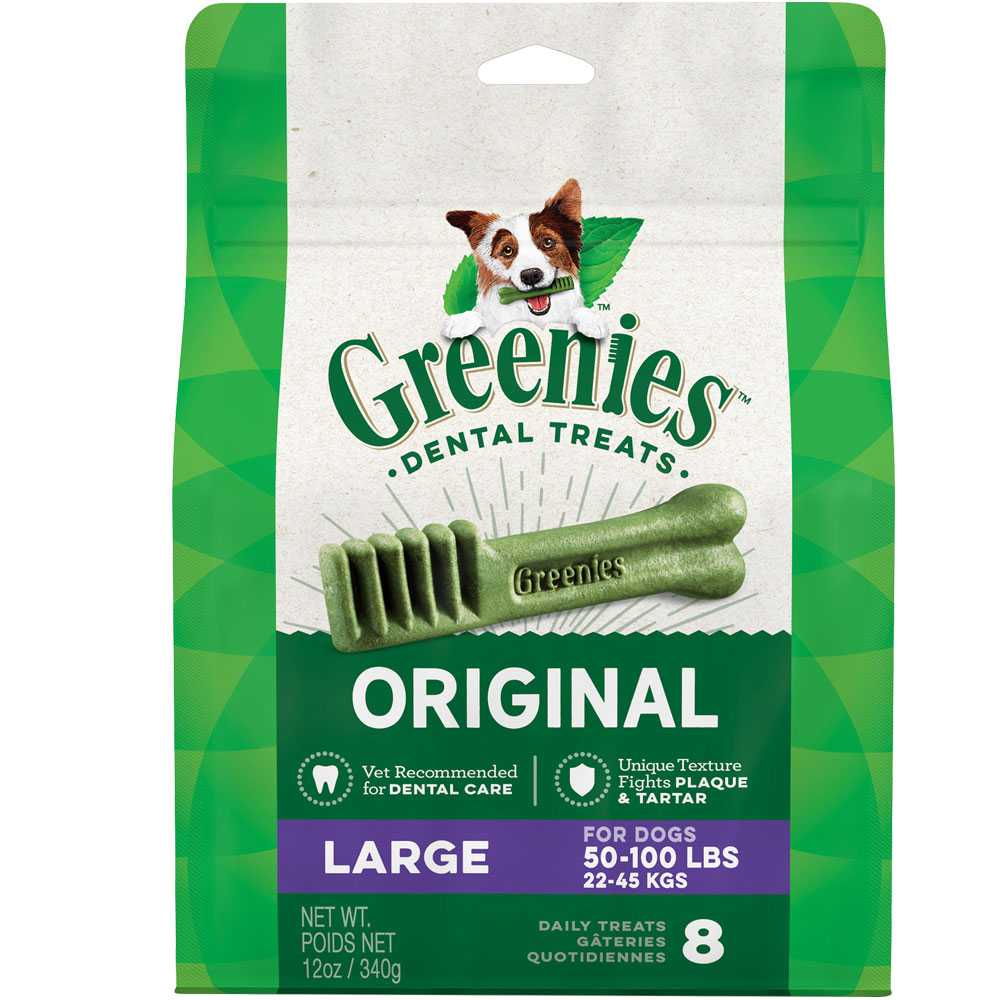
A fair number of Yorkshire Terriers are sensitive to changes in routine, including shifts in diet. Switching food too abruptly can lead to loose stools, reduced appetite or general discomfort. A gradual transition over about a week, mixing increasing portions of the new food with the old, usually gives the gut more time to adapt. Dental challenges such as tartar build‑up, bad breath or discomfort while chewing are also frequent in small breeds. Kibble that encourages chewing, combined with periodic brushing and suitable dental chews, may help maintain a more comfortable mouth environment, though it is not a replacement for professional cleanings when needed. Some owners hope that changing food will immediately resolve tear staining or breath issues, but these signs can have several underlying causes. When symptoms are obvious or persistent, exams and advice from a veterinarian are important, and any change in food should be treated as part of a broader care plan rather than the only measure taken.
Price range, long‑term costs and storage planning
Feeding a small dog often looks inexpensive on a weekly basis, yet annual totals can be noticeable once kibble, treats and extra options such as wet food are added together. Small‑breed dry food prices vary widely depending on brand, ingredients and packaging size, from budget lines to more premium formulas. Instead of focusing only on price per bag, it helps to calculate roughly how long a specific bag will last and what monthly spending might look like. Larger bags usually bring down the cost per kilogram, but they demand better storage to avoid moisture and stale smells, especially in humid climates or compact apartments. Medium bags paired with airtight containers are a common middle ground for many households. Beyond kibble, owners who regularly offer canned food, freeze‑dried snacks or fresh components can list those recurring expenses alongside the main food. Seeing the entire feeding picture over months, not just one purchase, makes it easier to choose a level and routine that feel sustainable.
Combining dry kibble, wet food and fresh meals in everyday feeding
Many Yorkie owners enjoy giving their dogs variety, making meals feel more special through wet food, home‑cooked elements or commercial fresh options. Each style has practical strengths: dry kibble is straightforward to portion and store, wet food increases moisture and scent, and properly designed fresh meals can bring different textures and ingredients. A balanced routine often keeps a stable kibble at the core, providing most of the dog’s daily calories, with wet or fresh toppers used in modest amounts for interest and hydration. When introducing home‑cooked or raw elements, safety and nutritional completeness become key topics, including concerns about seasoning, human leftovers and food storage. Owners who want to explore such approaches can benefit from reputable resources and conversations with professionals before making big changes. Whatever mix is chosen, the guiding idea is consistency and suitability: food that fits the individual Yorkie, works with the household’s schedule and can be maintained comfortably over time.
Choosing dog food for a Yorkshire Terrier is less about finding a single perfect brand and more about aligning formula traits with the dog’s body, habits and history. By paying attention to ingredient clarity, kibble size, calorie density and how the dog looks and behaves over weeks, owners can move from trial‑and‑error to more informed adjustments. If a Yorkie shows marked changes in stool, weight, mood or activity after a food switch, it is worth keeping notes on what changed and seeking veterinary input promptly. This guide offers general patterns and practical angles for everyday choices, but decisions about diet in the context of health concerns should always involve a professional. The goal is for each meal to feel routine, comfortable and reassuring, turning feeding time into a stable, pleasant part of life for both dog and human.