Mini dog breeds have become a common sight in cities, especially among apartment dwellers and young professionals who want a companion that can live comfortably in limited space. In everyday English, “mini dog” is not a formal scientific category but a convenient label for very small or toy-size dogs whose adult weight and height stay on the lower end. These dogs are easy to carry, tend to be accepted in more indoor environments, and often feel less intimidating to people who have never lived with a dog before. At the same time, their small size does not mean they require no effort; choosing a breed still involves thinking about lifestyle, time for walks and play, and budget for grooming and vet visits. This article looks at several popular mini dog breeds and typical living scenarios, as general information rather than medical or financial advice.
What People Mean by “Mini” and “Small” Dogs
When dog owners talk about mini dogs, they usually refer to toy-size or very small companion breeds whose adult weight falls into just a few kilograms and whose height makes them easy to carry in one arm. Small dogs is a slightly broader term that also includes longer-bodied or slightly taller breeds which still remain compact compared with medium or large dogs, such as Dachshunds or some mixed breeds. Kennel clubs in different countries may define size classes using more precise shoulder height and weight ranges, but everyday conversations focus more on how a dog feels to live with, for example whether it fits well in an apartment or is easy to lift for transport. Understanding this loose size vocabulary helps narrow down which breeds make practical sense for readers who share hallways, elevators or public transit with their dogs.
Chihuahua: A Tiny Body with a Big Presence
The Chihuahua is often the first breed that comes to mind when people think about mini dogs. It has a very small frame, a distinct head shape and large round eyes, which together create a striking facial expression despite the tiny body. Many Chihuahuas are known for their sharp awareness of surroundings, reacting quickly to sounds and movement, and some individuals may bark frequently when they feel unsure or overstimulated. A calmer, predictable home environment and patient owners who are willing to build trust step by step tend to work well for this breed. Because the bones are fine and the body is light, daily life should minimize high jumps and rough handling, and households with children need to teach gentle interactions. These practical details matter just as much as cuteness when deciding whether such a small dog suits the family rhythm.
Pomeranian: Fluffy Coat and Lively Character
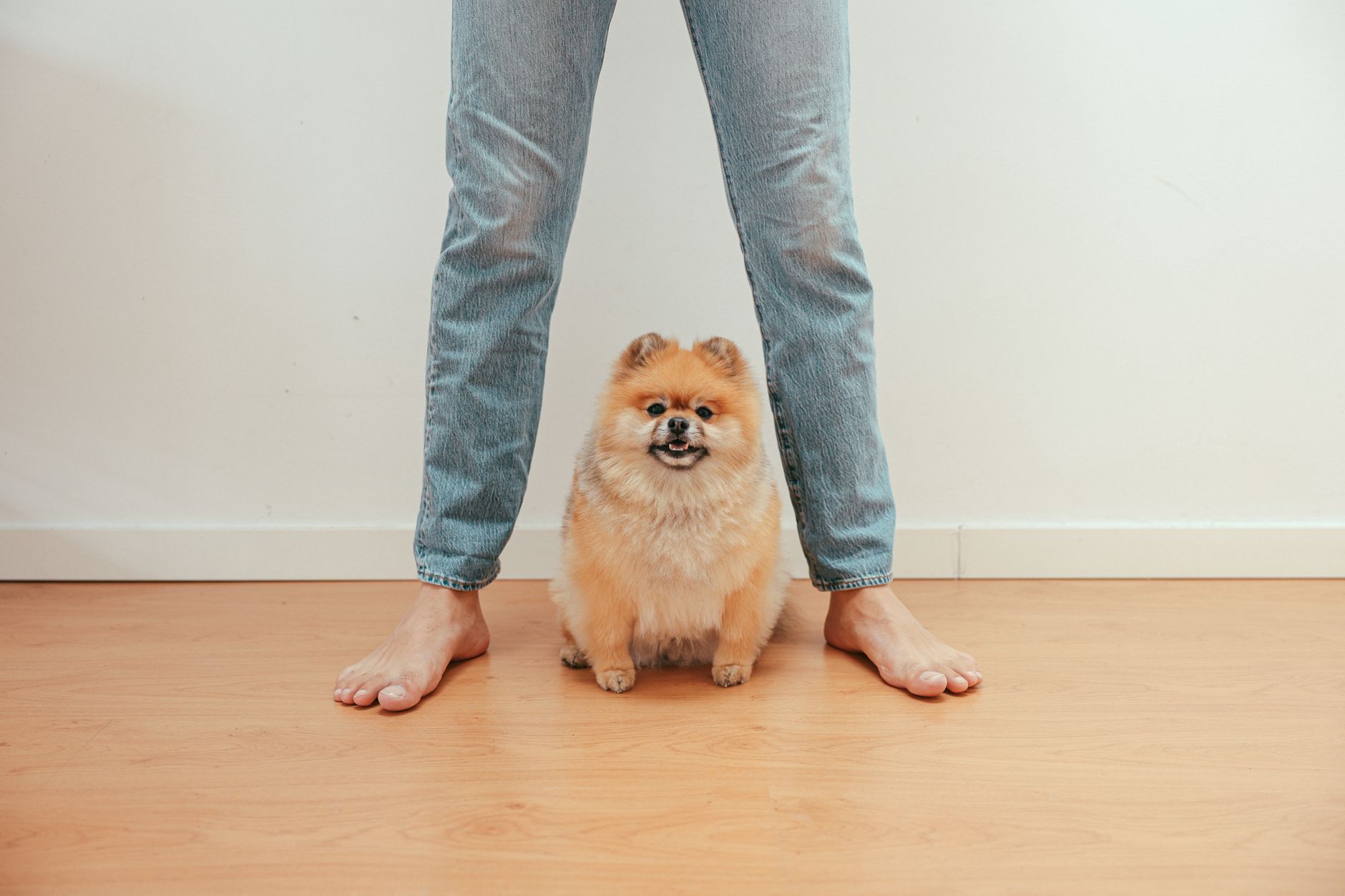
Pomeranians are easy to recognize thanks to their thick double coat and round, fox-like face, which create the impression of a small, animated ball of fur. Although they are classed as small dogs, the volume of hair makes them look fuller than their measured weight on a scale. Many owners describe their Pomeranians as lively, curious and eager to join any household activity, which can make them engaging companions for people who enjoy talkative, expressive dogs. However, the fluffy coat does come with responsibilities: regular brushing, dealing with tangles and thinking ahead about seasonal shedding are all part of routine care. In warmer or more humid climates, owners often discuss appropriate trimming styles with groomers and pay attention to airflow at home. Floor surfaces should be chosen or adjusted to avoid excessive slipperiness, which can put stress on small joints and legs.
Toy Poodle: Smart, Trainable and Apartment-Friendly
Toy Poodles represent the smaller members of the Poodle family and are widely appreciated for their curly, wool-like coat and reputation for intelligence. Compared with standard or larger Poodles, the toy variety fits better into compact living spaces and can move comfortably around sofas, rugs and narrow hallways. Many households enjoy this breed because individuals are often willing to learn commands and follow consistent daily routines, such as using a designated toilet spot or waiting calmly at the door. Mental and physical activity remain important despite the small frame, so short walks, training games and puzzle toys help keep energy channeled in constructive ways. Owners also need to plan for grooming costs and time, since Toy Poodles typically require regular trimming, combing and ear care. Before bringing one home, it is useful to think realistically about who will handle grooming schedules and how they fit into work and family life.
Dachshund and Yorkshire Terrier: Small Size with Strong Personalities
Dachshunds and Yorkshire Terriers often enter discussions about mini or small dogs because their overall frames remain compact, yet their personalities are quite strong. Dachshunds are famous for their long body and short legs, developed historically for work involving burrows and tight spaces. In modern homes, this body shape requires attention to stairs, furniture height and jumping behaviour, since repeated hard landings may put strain on the back. Yorkshire Terriers, by contrast, are known for fine, silky hair and petite size, and some owners choose to keep the coat long while others prefer more practical, shorter cuts. Many Yorkies show a bold attitude toward new stimuli, including noises or unfamiliar visitors, meaning that early social experiences and calm guidance can make a difference in how they respond. For readers who like visibly small dogs but also appreciate distinct character, these breeds provide interesting options, as long as lifestyle and handling style are thoughtfully considered.
Mixed Small Dogs and the Option of Adoption
Beyond purebred dogs, shelters and rescue organizations around the world frequently care for mixed-breed dogs whose adult size turns out quite small. Some of these individuals end up weighing and standing within the same general range as well-known mini breeds, even though their appearance and temperament differ widely. Families who adopt such dogs often report that, after an adjustment period, they become affectionate companions just like purebred small dogs. Adoption usually involves conversations with staff or volunteers about health records, past experiences and behavioural tendencies, with procedures varying by region and organization. Readers considering mini dogs might include adoption among their options, gathering information from local shelters or rescue groups before deciding. Since each dog has its own history, choices are best guided by first-hand meetings and professional input rather than assumptions based solely on breed labels.
Everyday Life with Mini Dogs: Home Setup and Care
Whichever small or mini breed is chosen, day-to-day living conditions and routines play a major role in how smoothly humans and dogs share a space. Smaller dogs may be easier to carry, but they can be vulnerable to being stepped on in narrow hallways or injured by falls from furniture that looks harmless to larger animals. Planning home layouts with non-slip rugs, safe resting spots and clear walking paths can reduce mishaps, especially in busy households. Food products marketed for small dogs often differ in kibble size and formulation; owners can review ingredient lists and talk with veterinarians about which options make sense for their individual dog, and avoid overfeeding despite the instinct to spoil a tiny pet. Regular walks, short play sessions and simple training routines support both body and mind. When health concerns or behavioural issues arise, online information should be treated as general reference, and timely consultation with qualified veterinarians or behaviour specialists is recommended so that decisions reflect professional assessment and the dog’s specific needs.