A dog that coughs with a goose-like sound is often showing one of the classic signs of tracheal collapse. Owners may first think it is kennel cough, something stuck in the throat, or simple excitement, but the pattern matters: the sound often shows up during exercise, drinking, eating, hot weather, or when a collar puts pressure on the neck. Recognizing the trigger helps owners decide whether the issue is a one-off irritation or something that deserves a veterinary exam.
What tracheal collapse means
Tracheal collapse happens when the cartilage rings that support the airway become weak and the trachea narrows during breathing. That narrowing makes airflow less smooth, which can lead to a harsh dry cough, wheezing, and sometimes obvious breathing effort. Small breeds such as Pomeranians, Yorkshire Terriers, Chihuahuas, and Maltese are seen more often in clinic notes, but the problem is not limited to them. Age, excess weight, neck pressure, and chronic irritation can all make the signs easier to notice.
Common symptoms owners notice
The cough is usually dry and sharp, and many people describe it as a goose honk or a squeaky toy sound. It may happen once in a while, or it may come back repeatedly when the dog gets excited, pulls on a leash, or gets too warm. Some dogs also gag, retch, breathe faster, or avoid running and jumping. The difference between an isolated cough and a repeated pattern is important, because frequency, setting, and duration often give the clearest clues.
Triggers at home and on walks
Several everyday factors can make the cough worse, including collar pressure, poor weight control, strong odors, dust, and hot or humid air. Many veterinarians recommend switching from a neck collar to a harness so the throat is not under direct strain during walks. Stress and overexcitement matter too, because fast breathing can make the airway irritation more obvious. For that reason, rough play, sudden sprints, and highly stimulating outings are worth limiting when a dog is already coughing.
Home care that supports breathing comfort
Home care is usually about reducing strain rather than chasing a quick fix. Vets commonly advise keeping the dog at a healthy weight, using a harness consistently, avoiding smoke or strong fragrance, and choosing calm, steady walks instead of intense exercise. Feeding smaller kibble or cutting food into smaller pieces can also be practical for dogs that cough around mealtime. These steps do not replace medical care, but they can make daily life easier and give owners a clearer picture of how often symptoms appear.
When a vet visit should not wait
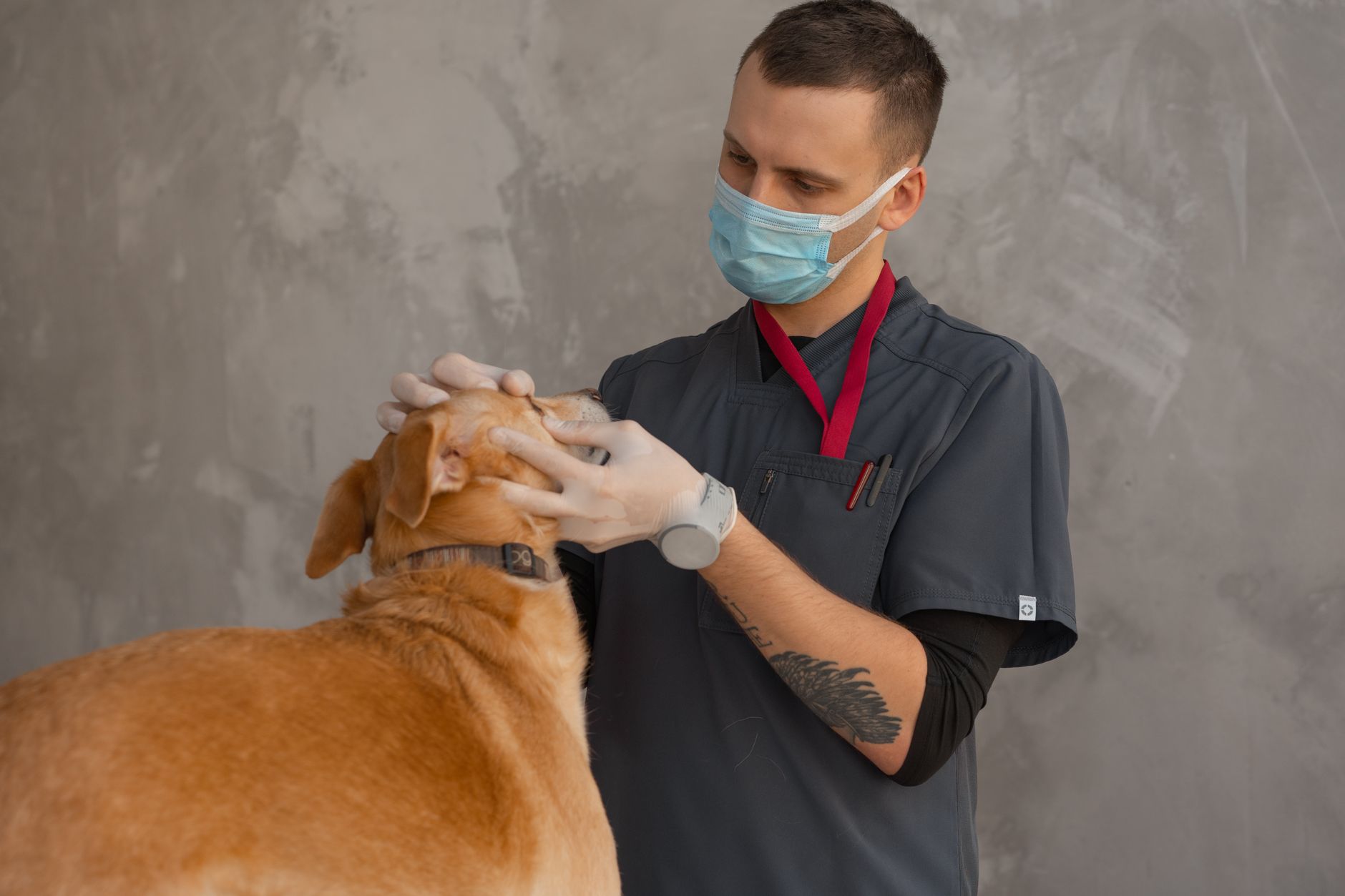
A veterinary visit is important if the cough becomes frequent, breathing looks labored, the gums or tongue look blue, or the dog cannot settle down to rest. A vet may combine physical examination, imaging, and history to sort tracheal collapse from kennel cough, heart disease, or other airway problems. For owners, the most useful preparation is often a short video of the episode, plus notes on when it happens and what seems to trigger it. That information can make the exam more useful than trying to guess the diagnosis at home.
Questions owners ask most often
Many owners ask whether one coughing fit means the dog is seriously ill. The answer depends on the overall pattern, not just the sound itself. Others ask whether the problem can simply be ignored, but tracheal collapse is usually managed over time, with attention to triggers, body weight, and regular follow-up. For at-risk dogs, a harness, calmer routines, and careful observation are often the most practical first steps before symptoms become harder to control.