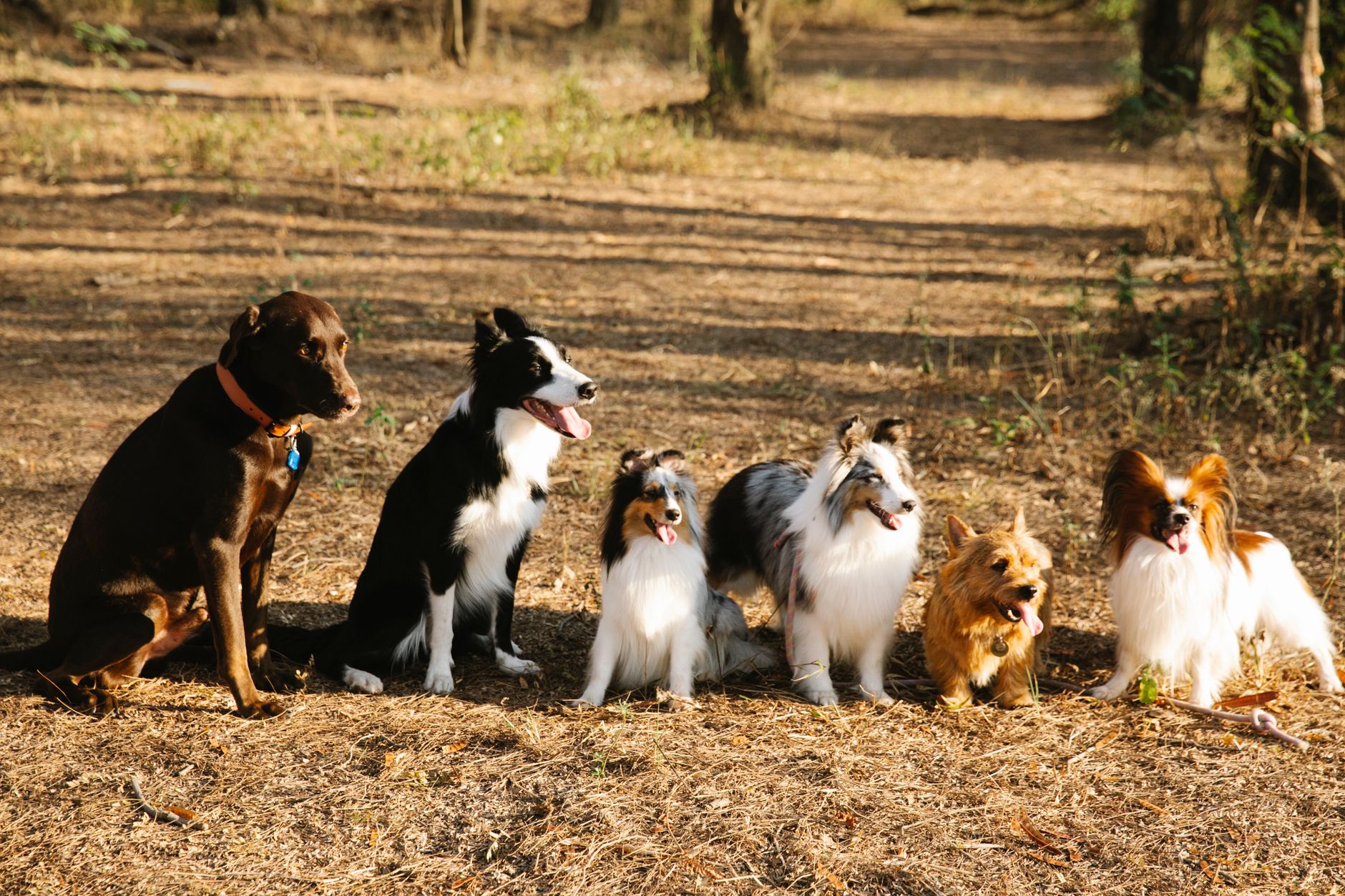
Many new dog owners start with the question, “What dog breeds are there and how do they differ?” On the surface it feels like a matter of picking a look, but each breed carries typical traits in size, energy level, temperament and common health issues. Historically, dogs were bred for specific jobs such as herding, guarding, hunting or pure companionship, and those purposes still influence how they behave at home today. For someone thinking about getting a dog, it is more useful to understand broad categories than to memorize every single breed name. Once owners know how small, medium and large dogs, as well as working and companion types, usually live and move, it becomes easier to judge whether their lifestyle can support long-term care.
Small and toy breeds: indoor-friendly but not always “easy”
Small dogs generally weigh under around 10 kg, with toy breeds on the very tiny end of that range. In many cities, breeds like Chihuahuas, Toy Poodles and Pomeranians are popular because they seem perfect for apartments and busy schedules. However, a lot of small dogs are surprisingly energetic and clever, and they need regular walks, play and basic training just as much as bigger dogs do. Because they are portable and cute, people sometimes treat them more like fragile dolls than animals that benefit from structure and clear rules. That can lead to issues like barking at visitors, guarding food or clinging to one person. When choosing a small breed, owners need to look beyond size and ask whether they can commit to daily exercise, gentle but consistent training and positive social experiences outside the home.
Medium-sized dogs: a wide range of energy and personalities
Medium-sized dogs are often seen as “the best of both worlds,” large enough to feel sturdy but still manageable in most homes. Common examples include Cocker Spaniels, Beagles, Border Collies and many mixed-breed dogs that fall in the middle weight range. This group is extremely diverse, and the key factor is what the breed was originally designed to do. Herding dogs and hunting dogs in particular tend to have high energy and sharp minds, which is wonderful for active owners but challenging if a dog spends most of its day alone in a small space. Without enough outlets such as sniffing games, puzzle toys or structured training, some medium dogs may chew, dig or vocalize more than expected. On the other hand, calmer mixed breeds can be a good match for families who offer steady routines and gentle guidance. Before settling on a medium dog, prospective owners should read up on that breed’s typical behavior and consider whether their daily habits truly fit its needs.
Large and giant breeds: space, time and budget all matter
Large breeds usually weigh more than 25 kg as adults, and giant breeds can go far beyond that. Labrador Retrievers, Golden Retrievers, Huskies and German Shepherds are well known large dogs, while Saint Bernards and Great Danes sit in the giant category. Many people are drawn to their impressive looks and often calm, steady presence. At the same time, sharing life with a big dog means planning around its physical needs. Larger dogs require more room to stretch, safe walking routes and, ideally, regular opportunities to run or play without causing trouble for neighbors. Food, medical care and equipment such as beds, harnesses and transport crates also cost more. Some large and giant breeds are more prone to joint, heart or eye problems, so veterinarians commonly recommend routine checkups and monitoring. Anyone considering a large dog should count not only emotional readiness, but also time, space and financial resources for years to come.
Working, herding and hunting dogs: clear jobs and training are crucial
Many familiar breeds were originally developed as working dogs, including German Shepherds, Border Collies, Huskies and various terriers used for hunting. These dogs typically combine high energy with strong motivation to learn and perform tasks. In a modern home, if that drive has nowhere to go, it may show up as digging, chasing bicycles or becoming overly watchful of strangers. Herding breeds usually respond quickly to cues and enjoy structured training, which suits owners who like interactive activities such as obedience, agility or scent work. Hunting breeds often rely heavily on their noses, and they may become very focused on smells or small moving animals during walks. City households that choose these breeds are wise to plan ahead for training classes and enrichment, from sniffing games to problem-solving toys. Clear daily routines and fair rules help working dogs relax, and behavior issues are best addressed early with professional trainers or veterinary behavior specialists when needed.
Companion and lap dogs: emotionally demanding, need social skills too
In contrast to working breeds, companion or lap dogs were bred mainly to share human homes and lives. Breeds like Maltese, Pugs, Cavalier King Charles Spaniels and Bichon Frisés often love being close to their people and can be very affectionate. Because they look soft and friendly, it is easy to assume they are simple to care for. In reality, these dogs may react strongly to changes in their environment, and many dislike being left alone for long periods. When they have little practice around other dogs, strangers or different places, they might become anxious outside the home, even if they seem confident on the couch. Gentle socialization, such as short visits to quiet parks, meeting calm dogs and getting used to vet clinics, helps companion breeds feel secure. Regular walks and play are still important, not just for physical fitness but also for mental balance.
Mixed-breed dogs: unique combinations that must be known in person
In many countries, including parts of Asia and Europe, mixed-breed dogs make up a large share of the pet population. They can blend traits from several breeds, resulting in a wide variety of sizes, coat types and personalities. Some mixed dogs are athletic and energetic, while others are easygoing and prefer a slower pace of life. Because their background is less predictable than standardized purebreds, the most reliable way to understand a mixed dog is to spend time with it in different situations. Adoption groups and veterinarians can often offer impressions of how a particular dog copes with new people, noises or other animals. Mixed-breed dogs are not automatically healthier or harder to handle; what matters most is whether an owner is prepared to accept that individual dog’s quirks, support its needs and seek professional help when questions arise.
Before choosing a breed: match your lifestyle and seek expert advice
After exploring the main dog types, the final step is not simply picking a favorite but checking reality. Prospective owners can ask themselves how many hours they are away from home, whether they enjoy outdoor activities, and how other household members feel about adding a dog. It is also worth thinking about access to green spaces, local pet-friendly transport options and nearby veterinary clinics. Any dog, regardless of breed, may face health or behavior challenges during its lifetime, and written guides like this one provide only general information. For decisions that affect a dog’s wellbeing, such as selecting a breed, planning exercise or interpreting worrying signs, consulting a qualified veterinarian or behavior professional is strongly recommended. With honest self-assessment and ongoing support from experts, both purebred and mixed dogs have a better chance to live stable, comfortable lives alongside responsible owners.