Why poodles are so popular
Poodles are often chosen for their elegant appearance, but their appeal goes far beyond looks. Many owners value how well they fit into everyday family life, especially because poodles come in different sizes and can adapt to apartments or larger homes. Their quick learning style and strong people focus also make them appealing to owners who want an engaged companion rather than a low-interaction pet. For anyone considering the breed, the real question is not whether poodles are cute, but whether the household can support their grooming, attention, and routine needs over time.
Temperament and everyday interaction
Poodles are typically alert, responsive, and eager to be part of what the family is doing. That makes them a good fit for households that enjoy training, structured play, and regular interaction. At the same time, a dog that gets too little attention may become restless, noisy, or overly attached to one person in the home. A stable routine matters: walks, playtime, bathroom breaks, and rest should all happen on a predictable schedule so the dog can settle into life indoors with less stress and more confidence.
Grooming is part of the lifestyle
The poodle coat is one of the breed’s defining features, and it also shapes daily care. Curly hair can trap dirt and tangle easily, which means brushing is not optional if the goal is to keep the coat manageable. Regular trims and bathing routines also matter, because waiting too long can turn grooming into a time-consuming chore and may make skin care harder. Many households do best when brushing becomes part of the weekly routine, especially around the ears, legs, and underarms where mats tend to form first.
Choosing the right size
Toy, miniature, and standard poodles all share the same breed background, but their size differences affect daily life in practical ways. Smaller versions are often considered for compact homes, while larger dogs may suit families who want a more substantial companion and have room for more activity. Size alone should not drive the decision, though. Families should also think about exercise needs, handling comfort, travel plans, children in the home, and how the dog will move through shared spaces safely.
Food, exercise, and routine care
Poodles do not need an extreme lifestyle, but they do need consistency. Measured meals, limited treats, and regular activity help keep daily care balanced, while short walks and sniffing time often work better than occasional intense exercise. Owners should also plan ahead for grooming appointments, supplies, and cleaning duties, because a poodle is a long-term care commitment. When the home routine is realistic and shared by the family, the dog is more likely to stay calm, healthy, and easy to live with.
What to check before adopting
Before adopting a poodle, it helps to look at the practical side of life rather than focusing only on appearance. Ask whether there is enough time for brushing and exercise, whether the family agrees on cleaning responsibilities, and whether grooming costs fit the budget. It is also wise to think about travel, work schedules, and backup care when no one is home. Visiting a shelter, rescue group, or responsible breeder environment can provide a better sense of the dog’s actual energy and temperament than photos alone.
A realistic fit matters most
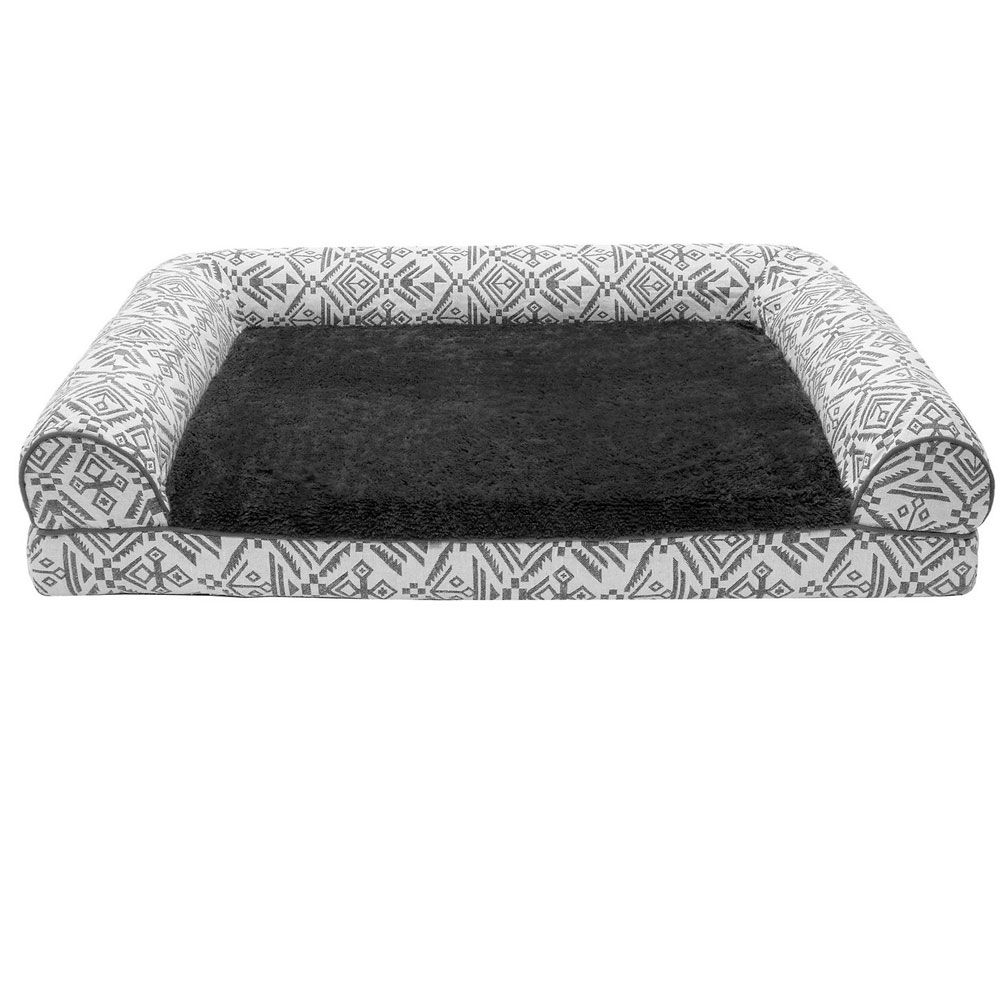
Poodles are often a great match for people who want a smart, interactive dog and are ready to maintain a grooming routine. They tend to thrive in homes where structure, attention, and cleanliness are taken seriously. For first-time owners, the best preparation is simple: set up a sleeping area, purchase basic grooming tools, and decide who handles walks, cleaning, and health checkups. A thoughtful setup makes the breed’s strengths easier to enjoy and helps the dog settle into family life smoothly.