Why Pomeranians are so often on the shortlist
Pomeranians attract attention because they are compact, expressive, and easy to imagine in apartment life. For people living in smaller homes, the breed can look like a practical option since it does not need a large yard to fit into daily routines. That said, “easy to keep” rarely means low-effort. It usually means the dog can work well for an owner who is ready to handle grooming, consistency, and plenty of interaction.
Small size does not equal low maintenance
A Pomeranian is physically small, but the care load can still be surprisingly real. Coat care, routine cleaning, and attention to barking or separation habits often matter more than new owners expect. Because the breed is alert and people-oriented, it may react strongly to hallway noise, visitors, or changes in routine. In a busy household, that can become part of the daily background unless the owner is prepared to set boundaries early.
Feeding and treat habits need clear rules
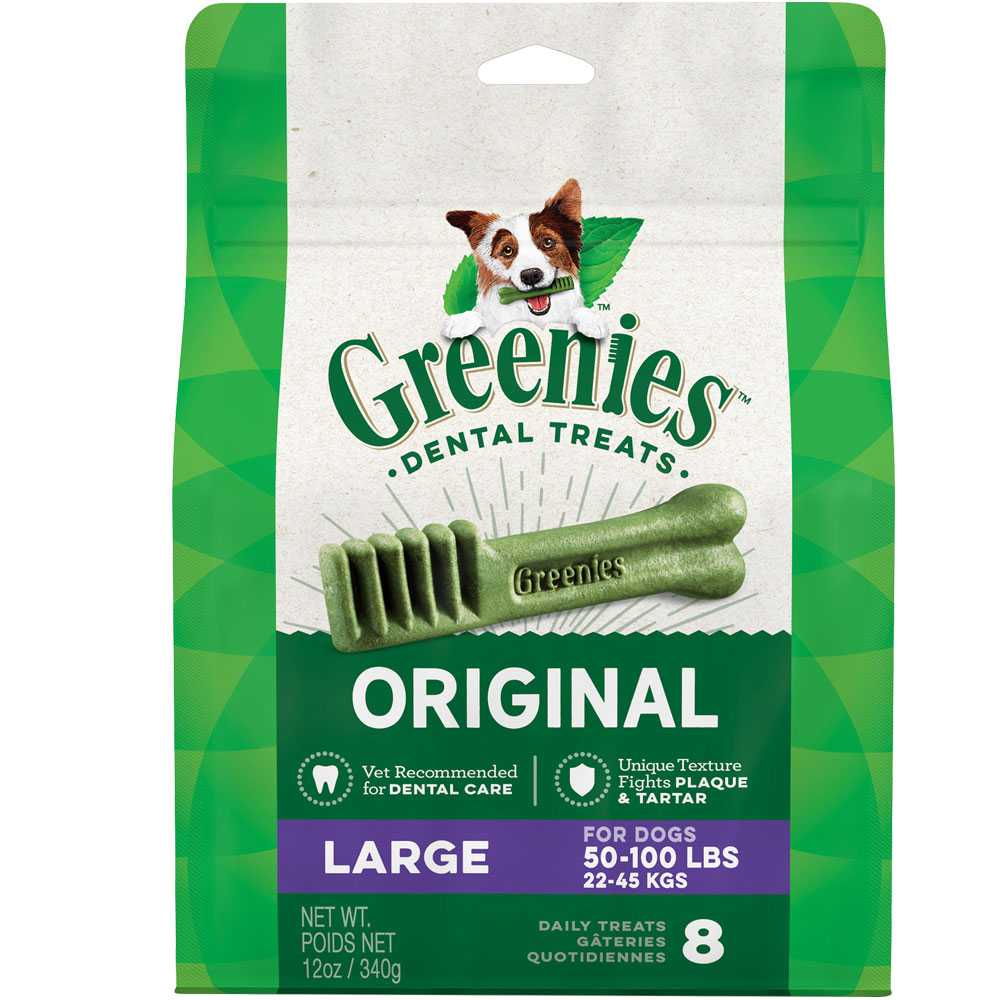
This breed does not eat much, which can make owners assume food management is simple. In practice, small dogs are easy to overfeed with table scraps or too many treats, especially when family members all want to share a little something. A steady feeding schedule and a shared household rule help prevent inconsistent habits. If children or grandparents are involved in care, everyone should know what counts as a meal, a snack, and a no-go food.
Coat care is part of the lifestyle
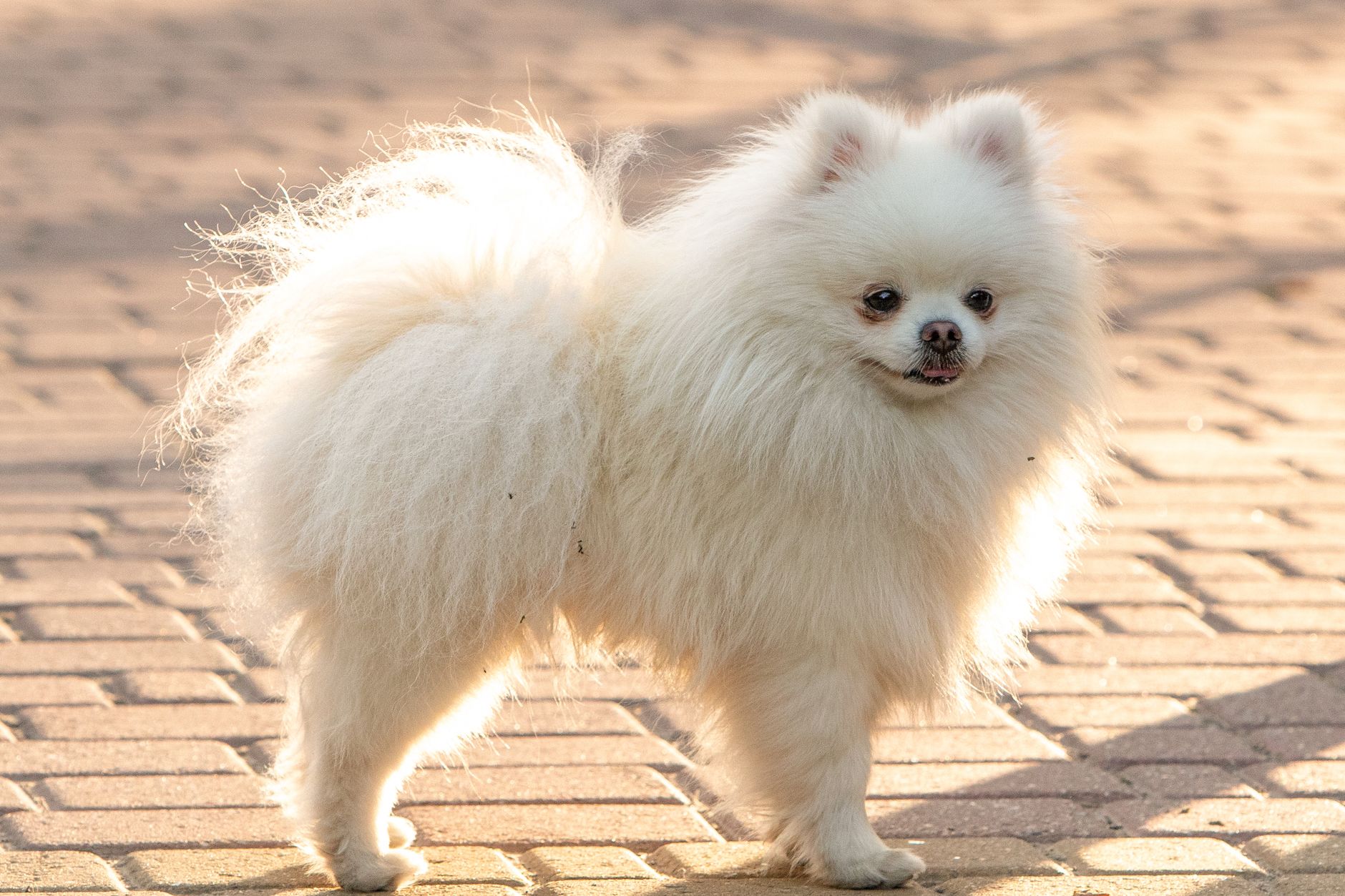
The Pomeranian’s signature fluffy coat is beautiful, but it comes with regular upkeep. Brushing, drying after baths, and watching for tangles all take time, especially during shedding periods. Some owners are surprised by how quickly coat care becomes a weekly routine rather than an occasional task. If allergies, cleaning time, or grooming appointments are a concern, it is better to consider that before adoption rather than after the first messy shed.
Personality is lively, not passive
Pomeranians are often alert, quick to learn, and very tuned in to their owners. That can be a strength, but it also means training matters early. Without a consistent routine, the dog may develop habits like barking for attention, guarding space, or becoming overly dependent on one person. A calm, repeatable approach usually works better than reacting only when problems appear.
Who the breed suits best
This breed fits owners who want a close companion and are willing to stay involved with brushing, training, and predictable routines. It is less ideal for people who travel often, work long hours, or need a very quiet, low-interaction pet. The key question is not whether the dog is cute or popular, but whether the owner’s schedule and patience can support a high-contact small dog for years.
The real answer depends on the owner
A Pomeranian can be a rewarding companion for the right household, but the breed is not a shortcut to an effortless pet. The most practical way to decide is to compare the breed’s needs with your daily life, budget, and tolerance for grooming and noise. If those pieces line up, the dog may feel manageable and affectionate; if they do not, the mismatch usually shows up quickly.