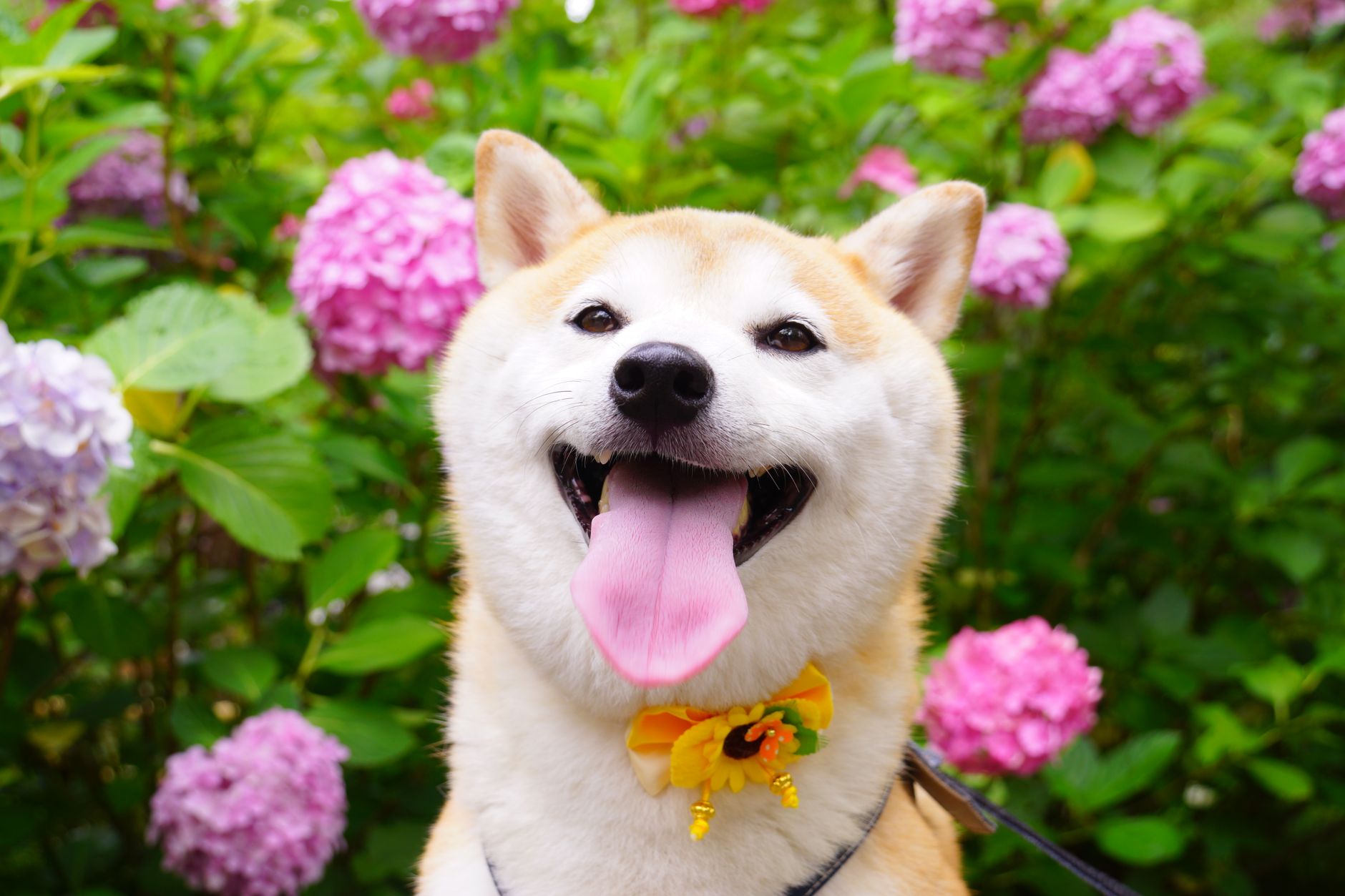
Whether a Shiba Inu is easy to own depends less on size than on the owner’s expectations and daily routine. Shibas are often independent, alert, curious, and selective about physical contact, especially with unfamiliar people. Their double coat is manageable with regular grooming, but seasonal shedding can be intense. This guide examines temperament, exercise, training, coat care, and common health concerns so prospective owners can decide whether a Shiba Inu fits their household rather than relying only on the breed’s appealing appearance.
Temperament: Independent, observant, and strongly individual
Shiba Inus often form close bonds with familiar family members while remaining reserved around visitors. They may enjoy being near people without wanting constant handling, and many prefer to approach interaction on their own terms. This does not mean a Shiba is unfriendly; it means trust, boundaries, and predictable routines matter. Owners expecting a dog that eagerly follows every instruction or welcomes every stranger may find the breed more demanding than anticipated.
Shibas can also be alert to territory and highly interested in moving animals or objects. Doors, elevators, parking lots, and busy trails therefore require active handling rather than assumptions about obedience. A secure harness, reliable identification, and careful doorway routine are important because some Shibas can react quickly when excited. Respecting a dog’s signals and providing a retreat space generally creates better cooperation than forcing contact or using intimidation.
Training: Consistency matters more than loud commands
A Shiba Inu can learn well, but the dog may first decide whether a behavior is worthwhile. Repeating a command louder does not necessarily make the lesson clearer. Training should begin with name recognition, recall foundations, waiting, leaving objects, calm door routines, and accepting basic care. Short sessions with food, toys, or access to a preferred activity can make the expected behavior easier to understand and repeat.
Puppy socialization should include controlled exposure to household sounds, different surfaces, transport, visitors, and calm dogs. Socialization does not mean forcing a Shiba to greet everyone; the goal is to build confidence while allowing distance and recovery. If the dog becomes stiff, hides, barks repeatedly, or pulls intensely, the owner should reduce the challenge and seek guidance from a qualified trainer or veterinary behavior professional. Recall and escape prevention deserve special attention in every outdoor setting.
Shedding: The double coat requires a seasonal plan
Shiba Inus have a double coat, so some shedding occurs throughout the year and heavier coat-blowing periods commonly occur in spring and fall. Breed-care guidance recommends increasing brushing during these periods, while a pin brush, slicker brush, or suitable undercoat tool may be enough for routine maintenance when used correctly. Brushing should reach through the coat in layers without scraping or irritating the skin. The coat should not be shaved simply to manage shedding, because the double coat serves protective functions.
A practical routine includes brushing in a consistent location, checking the skin beneath the coat, and using a vacuum or washable furniture cover during heavy shedding. Bathing should be based on dirt, odor, skin condition, and veterinary advice rather than performed excessively for hair removal. Drying thoroughly is especially important in humid climates. Sudden hair loss, persistent scratching, redness, odor, scabs, or bald patches should not automatically be dismissed as normal shedding; a veterinarian should assess the cause.
Common health concerns: Skin, joints, and eyes deserve attention
Allergic skin disease can occur in Shiba Inus. Owners may notice repeated scratching, paw licking, red skin, ear discomfort, or localized hair loss. Possible triggers can involve food, environmental allergens, parasites, or contact irritation, and changing food or using over-the-counter medication without guidance may obscure the picture. Keeping a simple record of diet, season, cleaning products, outdoor exposure, and flare patterns can give the veterinarian useful context during an examination.
Joint concerns may include patellar luxation and hip-related problems. Watch for skipping steps, intermittent limping, reluctance to jump, difficulty with stairs, or a change in activity. Eye problems also warrant attention when a Shiba squints, has persistent tearing, develops cloudiness, or reacts unusually to light. Sudden, persistent, or worsening signs should be discussed promptly with a veterinary clinic. This information is educational only; diagnosis, medication, and treatment decisions require a veterinarian.
Who is a Shiba Inu best suited for?
A Shiba Inu may suit households that can provide daily walks, sniffing opportunities, short training sessions, and careful home management. A large house is not essential, but secure doors, gates, balconies, and outdoor areas are. Owners who are away for long periods, dislike pet hair, or expect constant compliance should reconsider their assumptions before bringing one home. Children and other pets require supervised introductions, clear escape spaces, and adults who can recognize when the dog needs distance.
The preparation budget should include preventive veterinary care, vaccinations, parasite control, identification, grooming tools, training support, quality food, and emergency medical expenses. When choosing a puppy, prospective owners should ask about parental health screening, vaccination records, early handling, and living conditions. For an adult dog, previous medical history and known behavioral triggers are equally important. Good ownership is not the absence of problems; it is the ability to anticipate them, respond calmly, and seek professional help when needed.
The Shiba Inu’s charm comes with clear responsibilities. Independence, alertness, a distinctive personality, and substantial seasonal shedding can be rewarding for an owner who values a thoughtful companion, but challenging for someone seeking effortless obedience or minimal grooming. A realistic decision should consider time, household safety, cleaning tolerance, training commitment, and veterinary costs. Speaking with a veterinarian or qualified behavior professional before adoption can help match the dog’s needs with the household’s actual capacity.
The information in this article is for reference only and does not constitute professional advice. For specific decisions, please consult a relevant professional based on your personal situation.