Many Shiba Inu owners eventually face recurring skin issues such as constant scratching, patchy hair loss or red, irritated spots, even when bathing and basic care seem on track. Shibas are a double‑coated breed and can be more reactive to changes in weather, air quality and diet, especially in humid climates. To understand whether a problem is seasonal sensitivity, allergy, parasites or something more complex, it helps to break the situation down into common causes, observe a few key patterns, and involve a veterinarian when the signs go beyond mild itchiness.
Breed traits and typical Shiba Inu skin sensitivities
Shiba Inus have a dense double coat and relatively active sebaceous glands, so old undercoat, skin oils and sweat can easily get trapped close to the skin if brushing and drying are not thorough. This can lead to heat, itchiness and localized redness, particularly during shedding season. Many Shibas also seem more reactive to environmental changes or certain foods, which means air pollution, seasonal shifts or a new kibble can quickly show up on their skin. Owners can watch for scratch patterns and favourite "itch spots" such as paws, belly, tail base and ears. When the skin develops obvious redness, irregular hairless patches, scabs or odor, it is no longer just minor discomfort and should be assessed by a vet rather than managed only with home care.
Environment and climate: humidity as a constant stressor
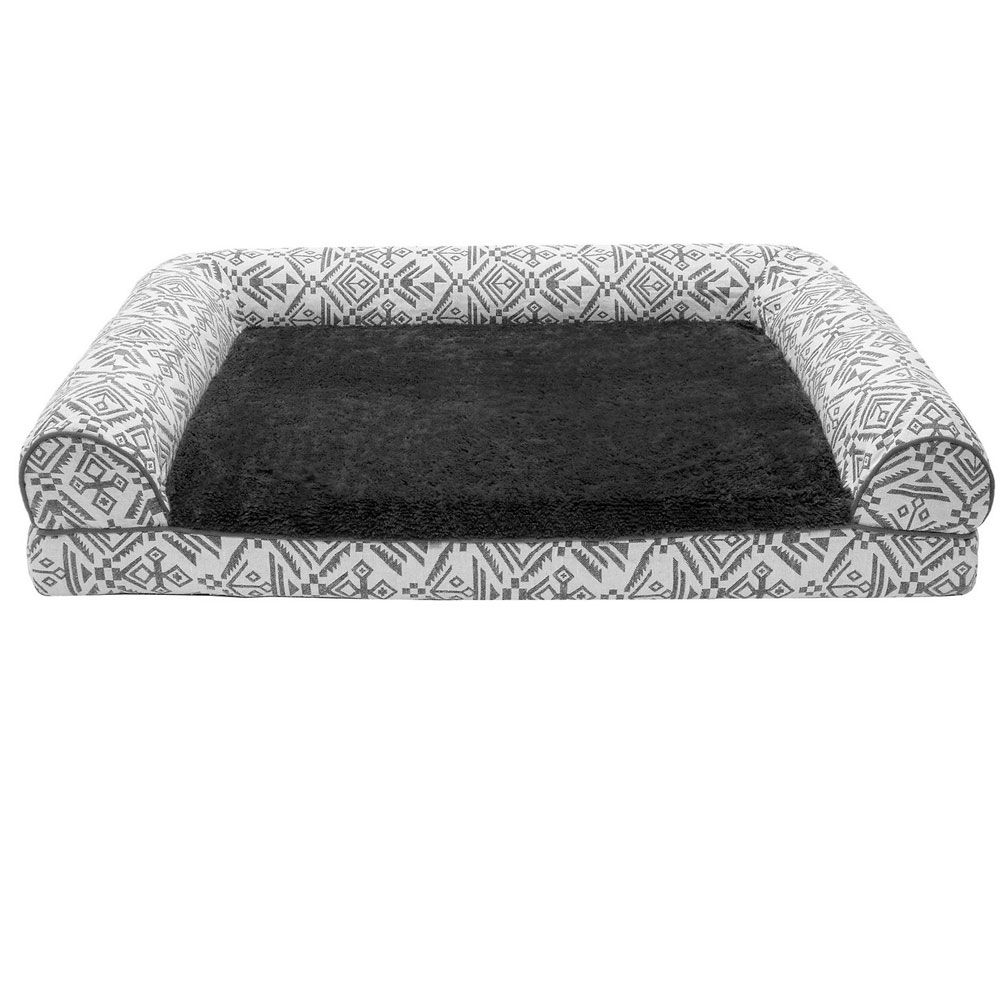
In warm, humid regions, the environment itself can be a major driver of skin stress for Shiba Inus. Damp flooring, carpets and dog beds that are not washed or fully dried often harbor dust mites, mold and bacteria, which irritate the skin of dogs that spend a lot of time lying there. Some owners try to compensate by bathing more often, but frequent washing combined with poor drying can strip protective oils and leave the skin barrier fragile. A more practical approach is to choose dog beds and blankets that are easy to clean and sun‑dry, keep indoor spaces reasonably ventilated, and be mindful of humidity during rainy seasons. Wiping paws and belly after walks helps reduce outdoor irritants that accumulate on the skin and coat, especially in urban environments with dust and pollution.
Parasites and infections: fleas, ticks and fungal issues
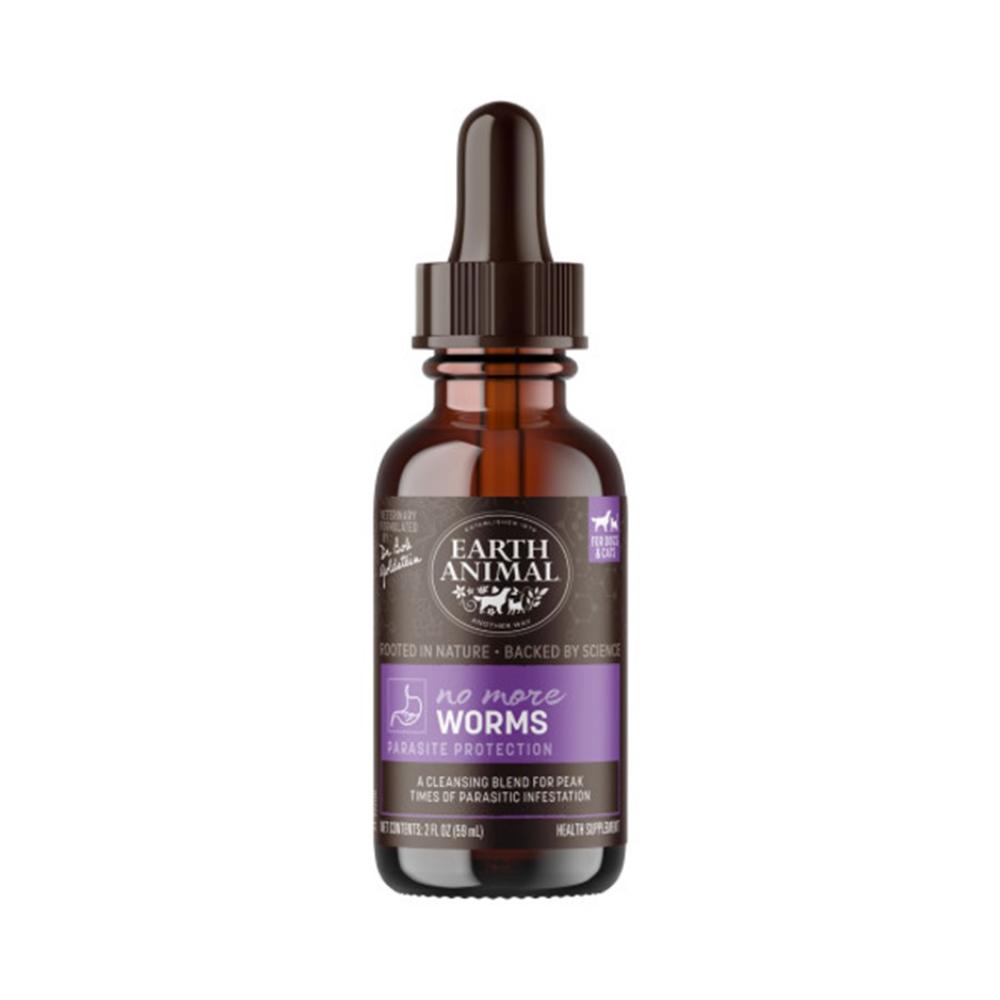
Sudden spikes in scratching, intense chewing near the tail base, clusters of red bumps or circular hairless spots often point toward external parasites or infections. Fleas and ticks can cause intense localized itch, and some Shiba Inus are particularly reactive to flea saliva, so even a small number of bites can trigger widespread skin irritation. Prolonged humidity and minor skin damage also make it easier for fungal or bacterial infections to develop, showing up as round areas of hair loss, flaky skin, greasiness or noticeable odor. These conditions rarely resolve fully with simple shampoo changes or home remedies. Consistent external parasite prevention, regular skin and ear checks, and timely veterinary visits are important when owners notice signs that could indicate fleas, ticks or infection rather than just dry skin.
Diet and allergy: how food can show up on Shiba Inu skin
When skin problems keep coming back and environmental or parasite causes are not obvious, food‑related sensitivity becomes a more likely factor. Some Shibas react to certain protein sources, grains or additives, and the skin may reflect this as chronic itchiness, recurrent ear inflammation, redness on the belly or inner thighs, or mixed digestive and skin signs. In these cases, vets may recommend a structured diet change using a simpler, clearly labeled formula or an elimination diet. Owners need to think in weeks rather than days, because it usually takes time to see whether skin improves under a new diet pattern. Treats, canned food and homemade toppers should also be considered part of the equation; keeping them relatively simple and consistent during a trial period helps make changes easier to interpret while maintaining overall nutritional balance under veterinary guidance.
Grooming habits: bathing, products and drying technique
From a distance, Shiba Inus look easy to groom, but their thick undercoat means bathing and drying habits have a large impact on skin comfort. Bathing too often can disrupt the natural skin barrier and make the surface drier and more reactive, while infrequent or rushed baths allow buildup of flakes, sebum and environmental dirt. When choosing shampoo, owners can look for clearly labeled ingredients, moderate fragrance and formulas that are suitable for sensitive skin, and seek veterinary advice before switching products if the dog already has visible skin issues. Proper drying is just as important as product choice; warm air needs to reach the undercoat and skin rather than just the outer surface, and brushing while drying helps prevent trapped moisture. If using automatic pet dryers or drying boxes, paying attention to duration, temperature and the dog’s behavior can reduce unnecessary stress on both skin and overall comfort.
Stress, boredom and over‑licking: behavioral links to skin
Not all skin problems start with external irritants. Some Shiba Inus respond to stress or chronic boredom by repeatedly licking or chewing the same area, gradually creating bald patches, redness or thicker, darker skin that looks like a medical issue but has a behavioral root. Stress may come from changes in household members, inconsistent routines, lack of physical activity or limited mental stimulation. When a dog fixates on one spot even after parasites and infections have been ruled out, it can be useful to discuss daily life and behavior with a vet or qualified behavior professional. Increasing structured walks, adding scent‑based or puzzle toys, and providing a calm resting space are common strategies to reduce stress‑related licking. Owners need to think medium‑term, because behavior‑linked skin problems usually improve slowly as routines and coping options change.
When to see a vet: information that helps assessment
Owners often start by adjusting shampoo, food or bedding when a Shiba Inu shows skin discomfort, but there is a point where professional assessment becomes more important than further trial and error. Signs that justify prompt veterinary attention include scratching that interferes with sleep, open sores or oozing lesions, strong odor, or noticeable changes in energy level and appetite. Before a visit, gathering basic information such as how long the issue has been present, whether it seems seasonal, recent changes in diet or grooming products, bathing frequency and the dog’s usual resting spots can help the vet narrow down likely causes. The suggestions in this article are intended for general orientation only; diagnosis and treatment decisions should be made by a veterinarian, and extra caution is advisable for puppies, senior dogs or Shibas with existing chronic conditions.
Long‑term mindset for managing Shiba Inu skin issues
Skin issues in Shiba Inus are often ongoing topics rather than one‑time events, especially in climates and lifestyles that expose them to multiple triggers over the year. Instead of looking for a single miracle product, owners may find it more realistic to build a long‑term picture of their dog’s patterns, noting which seasons, foods, environments and routines tend to coincide with flare‑ups. Over time this makes it easier to distinguish a mild, familiar episode from something more serious and to prioritize changes that truly make the dog more comfortable. Keeping expectations grounded, working with a vet when needed and accepting that some sensitivity may always be part of life with a Shiba Inu can make daily care less stressful. All information here is for reference only, and any concerns about a dog’s health should be discussed with a qualified veterinary professional.