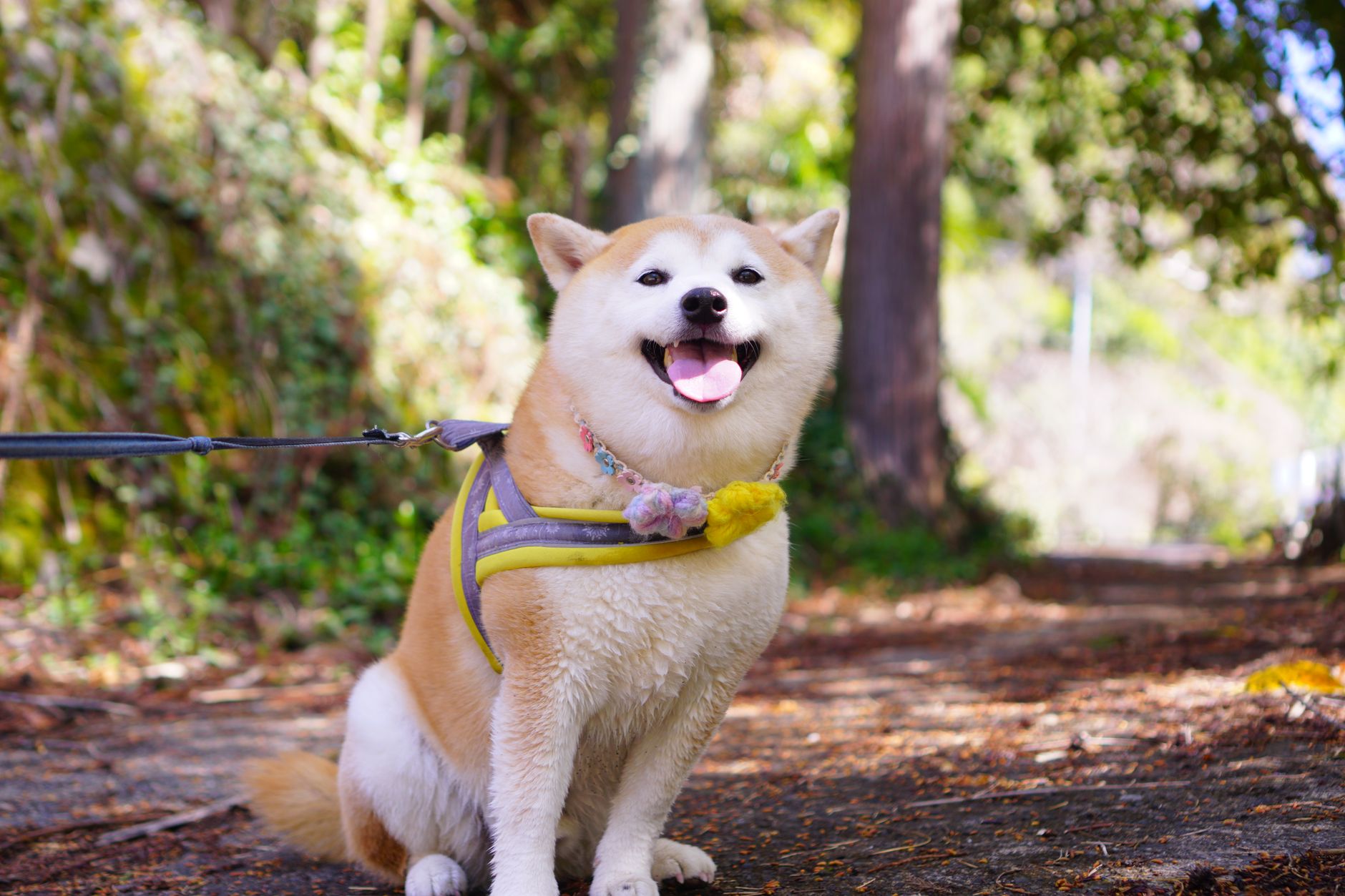
Are Shiba Inus easy to own? The answer depends less on their compact size and clean appearance than on a household’s expectations. Shiba Inus are often independent, alert and highly observant, which can make them engaging companions but not automatic followers. They may learn quickly while still choosing when to cooperate, especially if training is repetitive or unclear. A suitable home needs time for daily walks, enrichment, socialization and consistent boundaries, along with realistic expectations about shedding and veterinary care.
Temperament: clever, self-directed and sometimes selective
Shiba Inus are known for confidence and strong personal preferences. Many are affectionate on their own terms rather than constantly seeking physical contact, and some are cautious around unfamiliar people, dogs or sudden noises. This does not mean every Shiba has the same personality, but early socialization can help puppies become more comfortable with ordinary experiences such as elevators, traffic, grooming and handling.
Training works best when it is brief, predictable and rewarding. Owners can build reliable habits by teaching one skill at a time, including name response, recall, waiting at doors, dropping objects and accepting paw or ear checks. Positive reinforcement is especially useful because chasing, harsh corrections or repeated physical restraint can make a wary dog avoid interaction. In urban areas, secure equipment and practiced recall matter because a Shiba that slips a collar may be difficult to catch.
Shedding: manageable at times, intense during coat changes
The Shiba Inu has a double coat with a protective outer layer and a dense undercoat. Daily shedding may seem manageable for part of the year, but seasonal coat changes can release large amounts of undercoat throughout the home. Hair may collect on floors, upholstery, clothing and bedding, so prospective owners should be comfortable with regular brushing and cleaning rather than expecting a low-shed dog.
A suitable brush can be used in short, calm sessions, with treats helping the dog associate grooming with something predictable. Bathing should follow the dog’s coat and skin needs instead of being used as a substitute for brushing. Shaving the coat is generally not a solution for seasonal shedding and may remove natural protection from sunlight and insects. Itching, redness, odor, scabs or patchy hair loss should not be dismissed as normal shedding; a veterinarian should assess the cause.
Common health concerns: skin, knees and eyes deserve attention
Veterinary breed guides commonly note allergies and skin problems in Shiba Inus, along with concerns such as hip dysplasia, patellar luxation, hypothyroidism and certain eye disorders. Allergies may appear as repeated scratching, paw licking, ear discomfort, redness or hair loss, although these signs can have several causes. A kneecap that moves out of its normal position may lead to intermittent skipping, sudden hind-leg lifting or lameness, while eye redness, squinting, light sensitivity, tearing or cloudiness warrants prompt attention.
Routine care should include weight management, sensible exercise and regular veterinary checkups. Puppies should not be pushed into excessive jumping or prolonged stair climbing, and adult dogs should be observed for changes in gait, energy, appetite and skin condition. These signs do not establish a diagnosis by themselves. Health information is for general education only, and medication or treatment decisions should be made with a veterinarian rather than through human medicines or unverified online advice.
Which households are a good match?
A Shiba Inu can live in an apartment, but square footage is only one part of the decision. The household must be able to provide structured outings, sniffing opportunities, play, rest and safe management around doors, hallways and shared spaces. Homes that expect a dog to enjoy constant handling, tolerate long periods of isolation or remain quiet without training may find the breed challenging. Families with children should teach respectful interaction and supervise contact, especially around food, sleep and personal space.
First-time owners are not automatically ruled out, but they should treat training as an ongoing responsibility. Before adoption or purchase, it is sensible to review vaccination and deworming records, health history and the dog’s reactions to people and other animals. A realistic budget should include preventive care, grooming supplies, food, training support and unexpected veterinary visits. Rescue organizations can often provide useful information about a dog’s previous environment and adjustment needs.
Final assessment: ownership is about long-term responsibility
The Shiba Inu’s expressive face can make the breed look easier than it is, yet successful ownership relies on consistency rather than perfection. A household that accepts independent behavior, heavy seasonal shedding and possible health monitoring can build a strong relationship through clear routines and respectful training. The breed may not offer effortless obedience, but many owners value its alert character, cleanliness and distinctive personality. Before bringing one home, families should compare the dog’s daily needs with their actual schedule, budget, living environment and willingness to seek qualified veterinary or training support when difficulties arise.
The information in this article is for reference only and does not constitute professional advice. For specific decisions, please consult a relevant professional based on your personal situation.