Many owners only realize their cat is in dental pain when the bowl is left untouched, drool suddenly increases or bad breath becomes much stronger. Cats are good at hiding discomfort, and they rarely show obvious signs until chewing has already become difficult. This guide focuses on what owners can realistically do: how to spot early warning signs, which problems are commonly seen in feline mouths, how to prepare for a vet visit and how to build practical oral care habits at home. The goal is not to let owners做 diagnosis on their own, but to help them notice changes earlier and communicate more clearly with a veterinarian. All information is for general education, and any decision about tests or treatment should be made with a qualified vet.
How to tell if a cat might have tooth pain: subtle but important changes
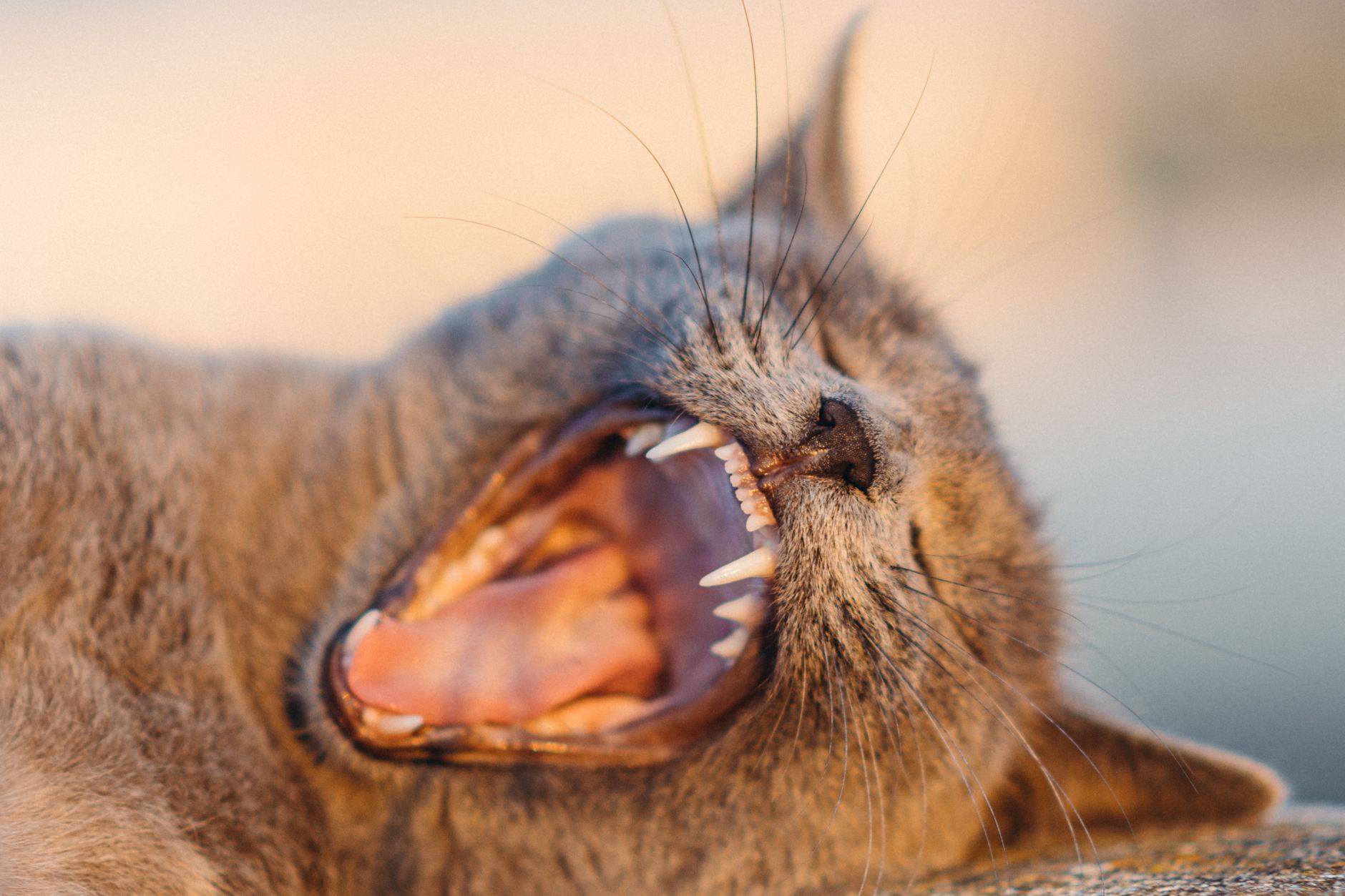
Cats will not open their mouths on command to show which tooth hurts, so owners have to rely on changes in daily routines. A cat that used to enjoy crunchy dry food but now only licks gravy or soft food may be trying to avoid chewing on a painful tooth. Some cats chew on one side only, pause suddenly while eating or drop food from their mouth. Excess drooling, a constantly wet chin and noticeably stronger bad breath are also common clues that something is wrong in the mouth. Behaviour can change as well: a usually friendly cat may become irritable when its face or jaw is touched, or it may hide more often and avoid handling. If an owner gently lifts the lip and sees red, swollen gums, heavy tartar or teeth with unusual shapes or colour, these visual changes strengthen the suspicion that a dental problem is causing discomfort.
Common causes of dental pain in cats: from plaque and tartar to injuries
Tooth pain in cats can come from several different sources, and more than one issue can appear at the same time. A very common scenario is long-term plaque and tartar build-up around the gum line, which gradually irritates the gums and surrounding tissues. When gums become inflamed or recede, chewing hard food can feel uncomfortable or even sharp. Some cats develop structural defects in their teeth, where the surface of the tooth is damaged and nerves may be exposed to mechanical or thermal stimulation. Sudden trauma is another possibility: chewing on very hard objects, falling from a height or fighting with other animals can chip or crack a tooth. Small wounds, ulcers or foreign objects stuck between the tooth and gum can also lead to local pain. Because different causes can look similar from the outside, and some changes are hidden below the gum line, a proper dental examination by a veterinarian is usually needed to understand what is really happening.
When is a vet visit necessary, and how can owners prepare beforehand?
Once a cat shows clear signs such as refusing most food, persistent drooling, blood in the mouth or swelling around the face, it is safer not to wait too long before going to a clinic. A cat that suddenly stops eating dry food and only nibbles at very soft meals for more than a day or two also deserves attention, especially if there is a history of bad breath or visible tartar. Before the appointment, owners can collect useful information for the vet: how long the appetite change has lasted, whether the cat still drinks water, any episodes of vomiting, recent changes in behaviour and possible incidents such as falls, fights or chewing on hard objects. Short video clips of the cat eating or grooming can also provide valuable context. For the trip itself, using a secure carrier with a familiar blanket or towel helps reduce stress, which in turn makes it easier for the vet team to examine the mouth safely and thoroughly.
What can be done at home while waiting for the appointment?
While waiting for a vet appointment, owners often want to offer some comfort without interfering with later assessment. If the cat is still willing to eat, offering softer textures such as wet food, pâté or slightly moistened dry food can reduce chewing effort. The intention is to make eating less uncomfortable, not to resolve the underlying dental issue, so this step should be seen as temporary supportive care rather than a solution. Creating a calm resting area away from loud noises and rough play is also helpful, especially in multi-cat homes where chasing and wrestling are common. One important safety point is to avoid giving human painkillers or over-the-counter products without veterinary guidance, because cats process many drugs differently from humans and may be harmed by inappropriate ingredients or doses. Instead of trying random remedies, focusing on observation and careful record‑keeping gives the vet better information to work with once the cat is examined.
Why everyday oral care matters: thinking beyond “only old cats have bad teeth”
It is easy to assume that dental problems only belong to senior cats, but plaque and gum stress often start much earlier. As years pass, small amounts of tartar and minor gum irritation can gradually build up into more serious issues that finally show up as pain, loose teeth or strong bad breath in middle age or later life. By checking the mouth regularly and discussing early changes with a vet, some problems can be addressed before they cause severe discomfort. Dental health is not only about teeth. A cat that eats less because of pain may lose weight, become less active and cope less well with other chronic conditions. For cats already living with long-term illnesses, extra oral discomfort can reduce quality of life even further. From a responsibility perspective, treating dental care as part of routine health, similar to vaccinations or weight monitoring, is often more realistic than waiting for a crisis to appear.
Brushing a cat’s teeth and other oral care tools: building habits step by step
Many owners feel overwhelmed when they hear that cats can benefit from tooth brushing, imagining daily wrestling matches with claws and teeth. In practice, starting slowly and focusing on short, positive sessions often works better than forcing a full brush‑through on day one. The first stage can be as simple as getting the cat used to having its cheeks and lips gently touched, always keeping sessions brief and rewarding calm behaviour with praise or a small treat. Once the cat accepts this, owners can introduce a finger brush or a soft toothbrush designed for pets, along with feline‑safe toothpaste. The aim is to brush a few teeth at a time rather than insisting on perfection. For cats that absolutely refuse any form of brushing, vets may suggest additional tools such as dental diets, chews or water additives. These are usually considered supportive measures rather than replacements for mechanical cleaning, and they should be chosen in consultation with a professional. The most important point is to find a routine that both the cat and the owner can realistically maintain over the long term.
Diet, chewing habits and lifestyle: small choices that influence dental load
What and how a cat eats has a direct impact on the workload placed on its teeth and gums every day. Very hard treats or objects shaped like bones might look appealing, but they can increase the risk of cracked teeth if the cat bites down too forcefully. Discussing an appropriate main diet with a vet or nutrition‑focused professional, and then adding dental care products only when suitable, often leads to a more balanced approach. In daily life, owners can reduce opportunities for harmful chewing by keeping electrical cords, hard plastic and metal objects out of reach. In multi‑cat households, feeding stations can be arranged so that each cat has enough space and time to eat without feeling pressured to gulp food quickly. These small adjustments may not be dramatic on their own, but over time they help lower unnecessary stress on the mouth. Combined with regular checkups and observation, they form a practical foundation for keeping a cat’s teeth and gums more comfortable.
Final thoughts: treating tooth pain as a serious message from your cat
Tooth pain in cats may start as a few skipped bites or a slightly stronger odour, yet it can signal long‑standing changes in the mouth that deserve attention. When owners treat these early signs as meaningful messages rather than minor quirks, they are more likely to seek advice before problems become severe. The ideas in this guide are meant to support clearer communication between owners and veterinary teams by highlighting what to observe, what to record and how to approach everyday oral care. They do not replace examinations, tests or treatment plans designed by a professional. For any cat showing ongoing changes in appetite, drooling, bad breath or behaviour, arranging a veterinary visit and discussing tailored options remains the most reliable path. All suggestions are offered as general information only, and decisions about medication, dental procedures or follow‑up should always be made with a veterinarian who knows the individual cat.