Many pet owners understand that dogs and cats need dental care but struggle when a pet resists touching, bites the brush, drools, or refuses to open its mouth. The goal is not to scrub harder or complete a long session at once. A safer approach is to build tolerance gradually, starting with gentle contact around the lips and gums before introducing toothpaste and a brush. Persistent bad breath, swollen or bleeding gums, chewing changes, facial swelling, or a preference for soft food should not be treated as a simple brushing problem. A veterinary examination can identify pain and dental disease that home care cannot address.
Decide whether home brushing is appropriate
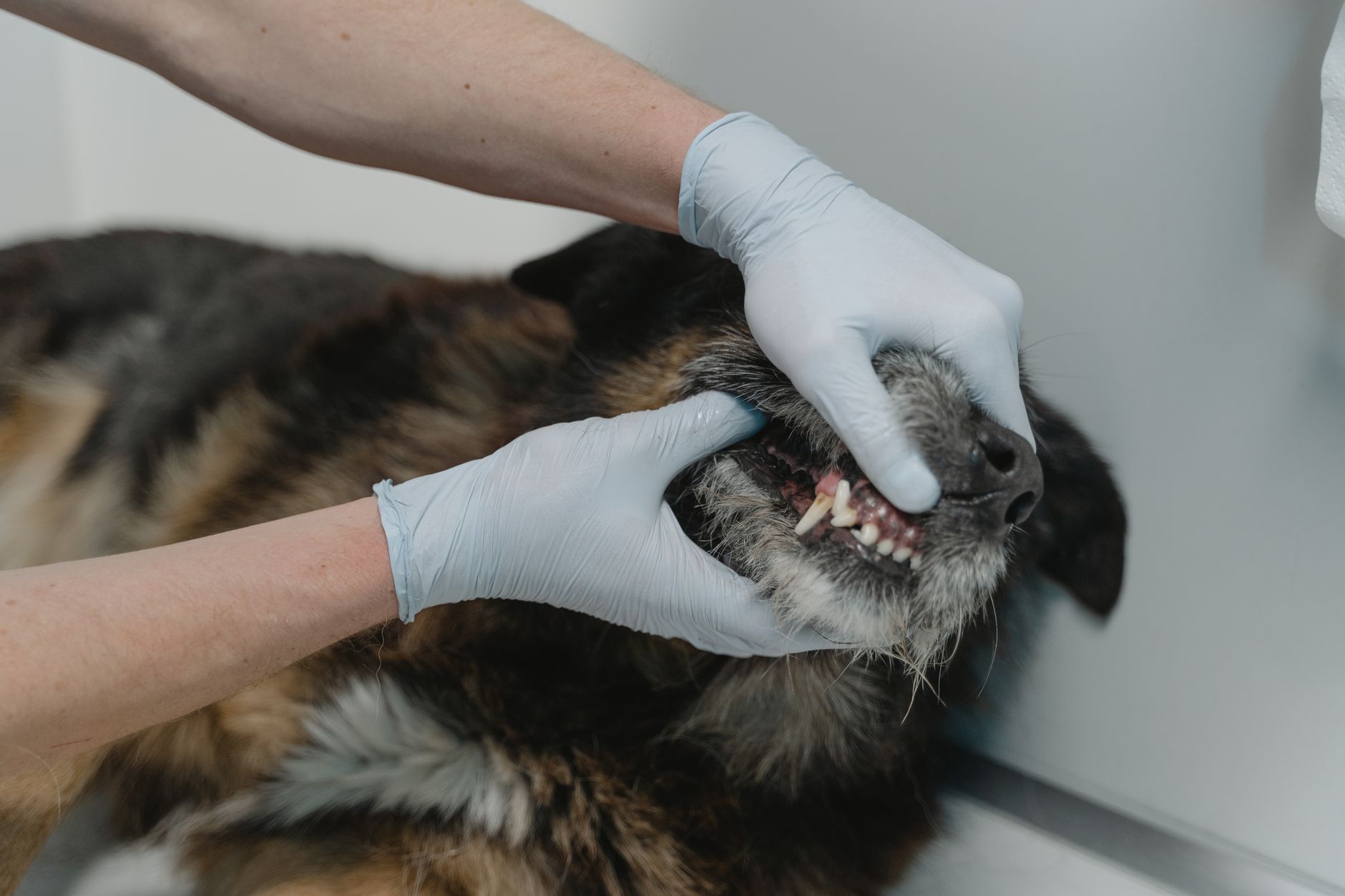
Begin in a bright, calm area and observe the teeth, gums, breath, and eating behavior without forcing the mouth open. Healthy-looking gums should not be persistently swollen or bleed with light contact, and strong ongoing odor deserves attention even if the pet still eats normally. Puppies and kittens can often learn the routine early, while adult dogs and cats may need shorter sessions and more repetition. If a pet reacts with pain, panic, snapping, or intense resistance, pause the training rather than holding it down. Hard tartar cannot usually be removed safely with a toothbrush, so visible buildup should be assessed by a veterinarian before home brushing continues.
Choose pet-safe tools and toothpaste
Pet toothbrushes are available with small heads, soft bristles, long handles, or finger sleeves. A finger brush may give the owner more control, but it still carries a bite risk; a small long-handled brush may reach the cheek-side surfaces of back teeth more easily once the pet cooperates. Use toothpaste made specifically for dogs or cats and never substitute human toothpaste, because some ingredients are not appropriate for pets to swallow. Check the label, storage directions, intended species, and source of the product rather than choosing only by flavor or packaging. Replace a brush when bristles become bent, the material cracks, or the brush can no longer be cleaned properly.
Introduce brushing step by step
The first sessions should be about acceptance, not cleaning every tooth. Let the pet smell the toothpaste, then touch the outside of the lips with a clean finger; once that is tolerated, place a small amount of pet toothpaste along the outer gumline. A soft cloth, gauze, or brush can be introduced only after the pet remains relaxed with the earlier steps. Keep each attempt brief and end with calm praise, gentle contact, or a suitable reward. If the pet pants heavily, growls, struggles continuously, or shows pain, stop and return later to an easier step. A predictable routine after a walk or play session may be easier than trying during a period of excitement.
Follow a gentle brushing technique
When the pet accepts handling, place it on a stable surface and lift the lip from the side rather than forcing the jaws apart. Focus first on the outer surfaces, especially where the teeth meet the gums, using light strokes instead of vigorous scrubbing. Work in small sections, beginning with the canine teeth and cheek-side back teeth before changing sides; the inner surfaces can wait until the pet is comfortable. Short, regular sessions are generally more practical than occasional restraint-based sessions that create fear. Stop if there is sudden bleeding, marked swelling, pain, or a new refusal to eat, and arrange a veterinary assessment when those signs persist.
Alternatives when brushing is not possible
Some pets never accept a toothbrush, so a veterinarian may suggest dental treats, chew products, oral wipes, gels, or water additives. These options serve different purposes and should be viewed as supportive tools rather than exact replacements for brushing. Dental treats should match the pet’s size, calorie needs, chewing style, and dental condition; pets that gulp food, have fragile teeth, or have a history of digestive problems may need extra caution. Very hard chews can also damage teeth. Water products and gels should be used according to the label, while owners watch for refusal to drink, vomiting, or mouth irritation. A substitute routine is useful only when it is safe, consistent, and paired with regular oral checks.
Know when a veterinarian should help
Ongoing bad breath, gum bleeding, loose teeth, facial swelling, increased drooling, dropping food, one-sided chewing, or appetite changes warrant a veterinary visit. A pet may continue eating despite significant oral discomfort, so appetite alone cannot confirm that the mouth is healthy. The veterinarian can assess the gums, teeth, pain response, and general health, then discuss whether professional cleaning, imaging, anesthesia, or follow-up care is appropriate. Owners can bring notes about when the odor began, how the pet responds to brushing, changes in eating, and products already tried. This information gives the clinical team a clearer picture of the problem.
A sustainable dental routine is more valuable than an ambitious plan that a pet and owner cannot maintain. If brushing is tolerated, begin with brief contact, soft tools, and the outer tooth surfaces; if it is not, use veterinarian-approved wipes, treats, gels, or water products as supportive options. Check the gums, visible plaque, breath, and chewing pattern regularly and record changes with notes or photos. Pain, bleeding, swelling, or eating difficulty should prompt a pause in home experiments and a veterinary consultation. This article is general information only and does not replace an individual examination or professional treatment plan.