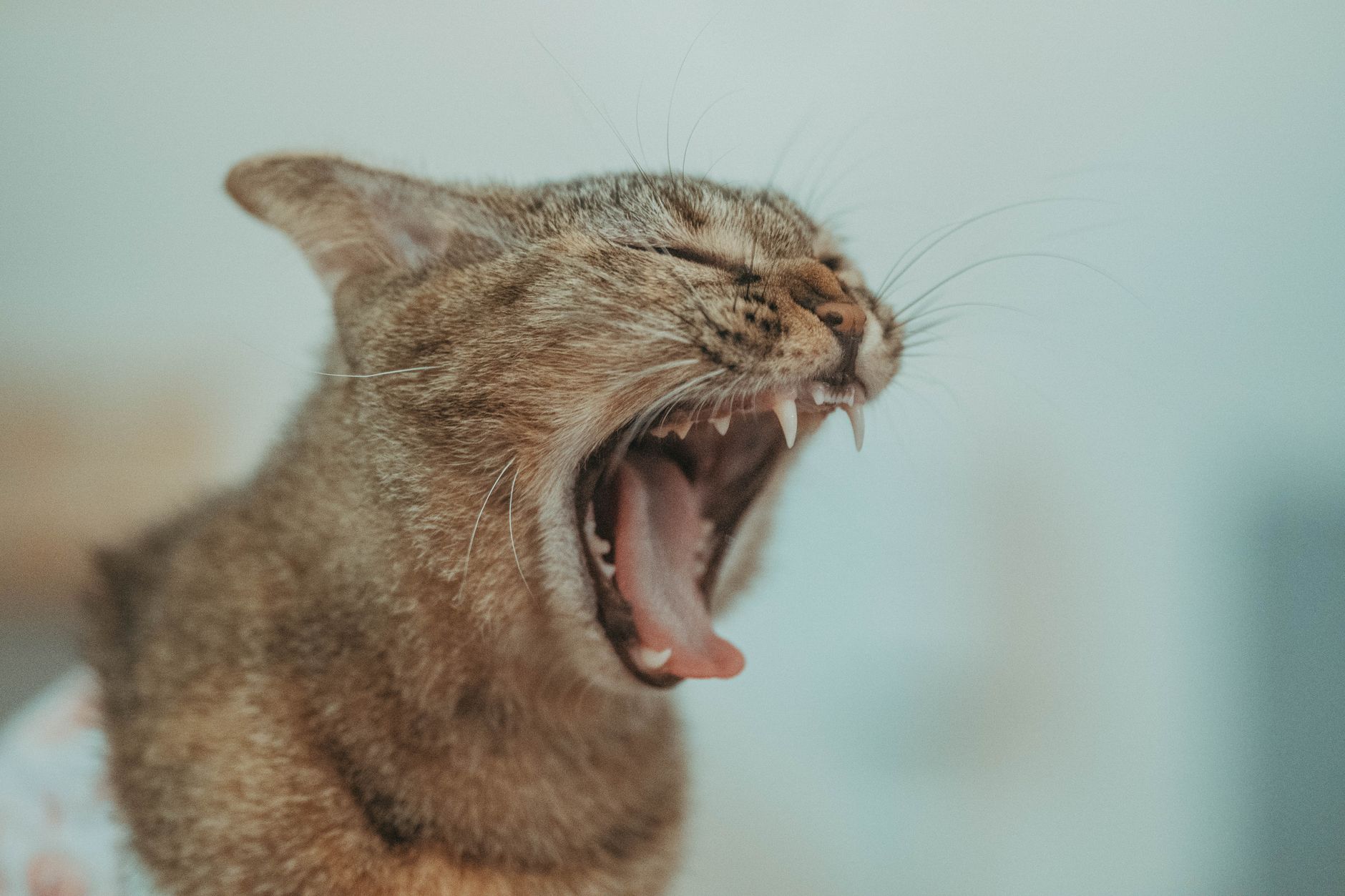
Gingivitis and stomatitis are among the most frequently seen oral problems in cats at veterinary clinics. Many owners only realize something is wrong when their cat suddenly eats less, drools more, or develops a strong bad breath. These conditions involve bacteria, dental plaque, tartar, viruses, and immune responses, and can cause considerable pain when chewing if they become advanced. Understanding the causes and home care priorities helps owners notice early changes and work with their veterinarian in a timely way. All medical topics discussed here are general information for reference only and should not be taken as a substitute for professional veterinary advice.
What are gingivitis and stomatitis in cats?
Gingivitis mainly affects the gums, the soft pink tissue around the teeth. When plaque, tartar, and oral bacteria accumulate over time, the gums can become red, swollen, and sore, sometimes bleeding when touched. Gingivitis often starts at the junction between tooth and gum, and if left unmanaged, it may progress into periodontal disease. Stomatitis refers to inflammation of a wider area of oral mucosa, which can include the tongue, inner cheeks, and throat. Typical signs include ulcers, increased drooling, stronger bad breath, and obvious difficulty eating. Some cats show both gingivitis and stomatitis at the same time, with red inflamed gum bands, ulcerated mucosa, and obvious pain when the mouth is examined or touched.
Major cause: plaque, tartar, and poor oral hygiene
For many cats, gingivitis and a portion of stomatitis cases are closely linked to inadequate oral hygiene. Food debris and saliva combine to form plaque on tooth surfaces. If teeth are not brushed or otherwise cleaned regularly, plaque can mineralize over time into tartar, which builds up along the gum line and chronically irritates gum tissue. Thick tartar around teeth gives bacteria more places to hide and typically worsens bad breath. Cats that mainly eat soft food, have short chewing times, and lack any dental care tend to be at higher risk. Veterinarians commonly emphasize that daily or at least regular tooth cleaning is important to slow plaque build-up. Even if a cat resists at first, gradual training with positive experiences often makes it possible to establish a basic routine.
Immune and viral factors: why stomatitis is more complex
Feline stomatitis is generally more complex than simple gingivitis, and research and clinical experience point to abnormal immune responses as a key mechanism. When normal oral bacteria or viruses such as calicivirus, herpesvirus, or systemic infections like feline immunodeficiency virus and feline leukemia virus are present, some cats’ immune systems react in an exaggerated, ongoing way against antigens around the teeth and oral tissues. Instead of quietly clearing pathogens, the immune system may act as though the cat’s own oral tissue were the enemy, leading to chronic mucosal ulceration and significant pain. Studies also discuss links with disturbed oral microbiota, chronic periodontal disease, and autoimmune processes, but no single cause explains all cases. Because immune and systemic factors are involved, veterinarians often recommend blood tests and viral screening when stomatitis is suspected to understand the broader health picture.
Additional risk modifiers: nutrition, stress, and oral injury
Beyond plaque and viruses, several lifestyle and health factors can influence a cat’s oral condition. Uneven nutrition, long-term low calorie intake, or very picky eating may reduce overall stamina and immune competence, which can make it harder for the oral mucosa to recover from irritation. Trauma inside the mouth, such as fractured teeth from chewing very hard objects or sharp edges cutting mucosa, offers an entry point for bacteria and may trigger local inflammation. Environmental stress is another factor discussed in many resources: chronic tension, social conflict in multi-cat homes, or frequent changes in living arrangements can affect immune and hormonal balance and indirectly increase stomatitis risk. Cats with chronic systemic diseases, such as kidney issues, may be more vulnerable when oral inflammation develops, so owners should be especially watchful.
Common owner questions: which signs suggest gingivitis or stomatitis?
Owners often first notice that a cat becomes reluctant to chew dry kibble or harder treats, preferring to lick gravy or eat only soft food, or sometimes walking away from the bowl altogether. Markedly stronger bad breath is another frequent clue; some describe a rotten or metallic smell, which becomes more obvious when close to the cat’s face. On visual inspection, gums may appear bright red or have a red band hugging the tooth line, and light touching may produce bleeding. Ulcers or pale yellow lesions can appear on the tongue or inner cheeks. Some cats drool more than usual, occasionally with blood-stained saliva, or repeatedly paw at their mouth and rub their face. Weight loss, reduced appetite, and lower activity levels are common systemic changes. Any of these signs warrant prompt veterinary attention rather than waiting for them to resolve on their own.
Veterinary diagnosis: what does the vet usually check?
When a cat is suspected of having gingivitis or stomatitis, the veterinarian begins with a thorough oral examination, assessing teeth, gums, and mucosa. In many cases, a detailed exam requires light sedation or anesthesia because cats seldom tolerate prolonged mouth inspection. If tartar is heavy, dental imaging or oral X-rays may be advised to evaluate tooth roots and surrounding bone for hidden disease. In stomatitis or immune-related cases, blood work, viral tests, and other lab assessments are commonly suggested to check for infections such as FIV and FeLV or for systemic illness. In some situations, biopsy of oral tissue is indicated to clarify the nature of inflammation and to rule out tumors. The choice and sequence of tests depend on the cat’s age, overall health, and severity of clinical signs. Owners are encouraged to ask their vet about the purpose and potential risks of each diagnostic step so they can make informed decisions.
Home care focus: following veterinary plans and adjusting diet
Once a veterinarian confirms gingivitis or stomatitis, management usually combines professional procedures with home care. Some cats may need dental cleaning under anesthesia, removal of severely affected teeth, or medication; such decisions must be made by a licensed veterinarian based on individual findings. At home, owners can work with their vet to select diets that are comfortable for the cat at that moment. Many cats with painful mouths cope better with softer or slightly warmed food that reduces chewing effort. Feeding sessions should be observed closely: if intake drops significantly or the cat seems to struggle with eating, a recheck visit is advisable. For some cats, offering smaller, more frequent meals may help reduce the stress of eating. All decisions involving drugs, surgery, or specialized treatments should follow veterinary guidance rather than self-directed changes.
Daily oral hygiene and behavior adjustments at home
Aside from medical treatment, everyday oral care plays a key role in slowing progression and reducing recurrence risk. If the cat’s condition and temperament allow, veterinarians often recommend gradually introducing tooth brushing. Training usually starts with simply getting the cat comfortable with gentle mouth handling, then progressing to finger brushes or cat-specific toothbrushes and toothpaste. Brushing is generally not appropriate when the mouth is acutely painful or ulcerated, so timing and technique should be discussed with the vet. In addition to brushing, some cats may benefit from dental diets, dental chews, or oral care water additives designed for pets, but suitability should be evaluated case by case. Owners should also minimize opportunities for cats to chew overly hard items that could crack teeth or injure oral tissues. Maintaining a predictable routine and a low-stress, safe environment can contribute to better overall resilience, including oral health.
Owner responsibility and when to seek veterinary help
With feline gingivitis and stomatitis, one of the most important responsibilities for owners is paying attention to early signs rather than assuming they are minor or temporary. Marked halitosis, obvious difficulty chewing, red and bleeding gums, bloody drool, significant weight loss, or lethargy all fall into the category of concerns that justify priority vet visits. Cats known to have FIV, FeLV, or other chronic illnesses should receive regular oral assessments because these conditions are often discussed in relation to stomatitis. Every medical decision, from extraction choices to medication plans and follow-up schedule, should be based on the judgment of a qualified veterinarian who has examined the cat. This article provides general information only and cannot replace physical examination or diagnostics. If owners feel unsure or worried at any stage, promptly consulting a veterinarian or veterinary clinic is a responsible step for both the cat’s welfare and the owner’s peace of mind.