Regular grooming is part of normal feline behavior, but over-grooming is a different story. When a cat repeatedly licks the same spot until the fur becomes thin or a bald patch appears, it usually means the cat is uncomfortable in some way. Common veterinary explanations include itchy skin, pain, internal medical issues and stress-related behaviors. Because these situations involve health and behavior, the information in this article is for general reference only. Any cat showing abnormal grooming or bald areas should be assessed by a veterinarian for a tailored diagnosis and plan.
Normal grooming vs. over-grooming: know the difference
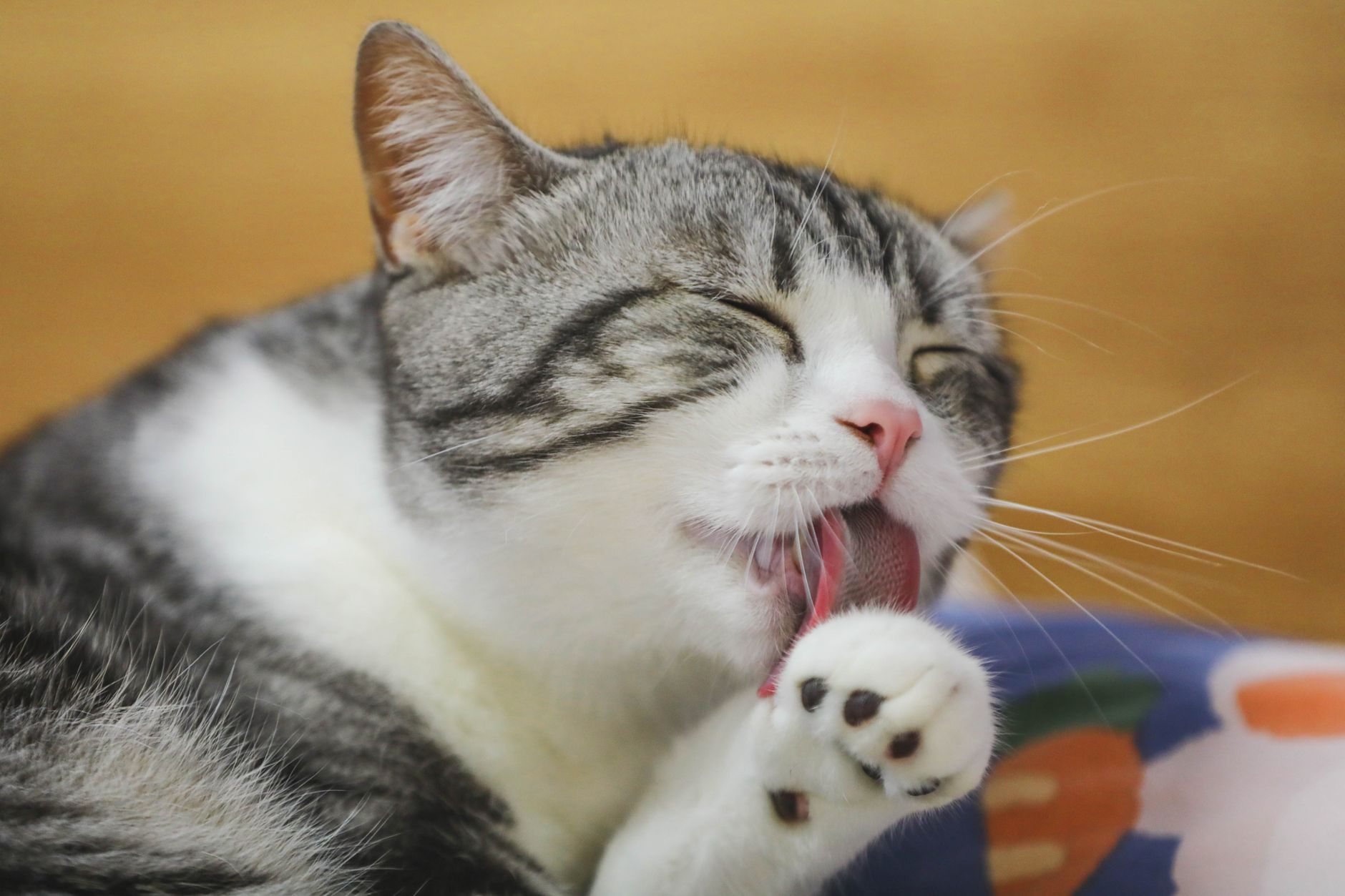
Healthy adult cats spend a considerable amount of time grooming, including licking their coat, cleaning paws and private areas. In normal grooming, the licking is spread over the body and does not focus intensely on one small area for long periods. Over-grooming, by contrast, is characterized by frequent, repetitive licking of one region, leading to thinning fur, redness or visible skin. Owners may also notice the cat interrupts daily activities to lick the same spot or seems unable to relax without grooming. Recognizing this difference is an important first step, because it helps owners understand when grooming has moved from routine care into a possible sign of discomfort, pain or emotional stress.
Itchy skin, allergies and parasites: the most common physical cause
Many cases of over-grooming start with itchiness or irritation of the skin. Environmental or food allergies, fleas, ticks, mites, fungal infections and bacterial problems can all make the skin feel extremely itchy, causing the cat to lick repeatedly to cope with the sensation. Typical patterns include bald or thinned fur over the lower back, tail base or belly, sometimes with small red bumps or scabs. Some cats are sensitive to dust mites, pollen or household cleaning products, so a recent deep cleaning or change of detergents may coincide with the onset of over-grooming. Owners can visually check for flea dirt and obvious flakes, but identifying whether the problem is allergy, infection or another condition requires veterinary tests such as skin scrapings, microscopic examination or allergy workups.
Pain and internal disease: when licking reflects deeper problems
Over-grooming is not limited to skin issues; it can also signal pain inside the body. Cats with bladder inflammation or urinary tract discomfort sometimes lick the lower abdomen repeatedly, which may be misinterpreted as grooming. Cats with arthritis may continually lick around painful joints, gradually producing thin patches of fur in those areas. Digestive discomfort or chronic abdominal pain can similarly lead to focused licking of the belly or flank. In these situations the skin surface may look relatively normal, yet the underlying problem lies in the organs or musculoskeletal system. If over-grooming occurs together with changes in appetite, urination, mobility or general behavior, owners should consider a full medical evaluation rather than assuming it is only a skin matter.
Stress, anxiety and psychogenic alopecia: the environment matters
Once obvious medical issues are ruled out, stress and emotional factors become key suspects. Cats are highly sensitive to change, and many behavior specialists note that anxious cats often use grooming as a self-soothing strategy. This pattern, sometimes described as a displacement activity, can appear after moving house, adding a new pet or baby, ongoing loud noise or tension with other cats in the home. In some individuals, persistent stress can lead to so-called psychogenic alopecia, where fur loss develops in specific areas even though no clear skin disease can be found. In such cases, owner responsibility includes reviewing the living environment: providing safe hiding spots, adequate vertical space, predictable routines, clean litter boxes and regular interactive play. For complex situations, collaborating with a veterinarian and, if needed, a qualified behavior professional is recommended.
Diet and daily routine: small choices that affect coat and mood
Skin and coat condition is closely tied to diet. Poor-quality protein or insufficient essential fatty acids may weaken the skin barrier, making it more prone to dryness or sensitivity. Some cats may not do well on certain protein sources such as beef, dairy or particular grains, and long-term feeding of a diet that does not suit the individual can contribute to recurring itchiness and licking. Beyond food, an unstable daily routine can add to stress. Sudden changes in owner schedule, long hours alone without environmental enrichment, and lack of play opportunities may all influence grooming behavior. When over-grooming seems to increase or decrease after a change in diet or routine, owners are encouraged to keep notes on timing and circumstances, then share these observations with their veterinarian to help identify potential triggers.
What can owners check at home? Practical observation tips
When a cat shows signs of over-grooming or bald spots, owners can start with a safe, gentle home check. First, look closely at the coat and skin for redness, scabs, dandruff or small black specks that might suggest fleas. Second, observe when and where the licking occurs: does it cluster around certain times of day or particular situations, such as loud noise, visitors or the owner leaving the house. Third, monitor wider health signals including appetite, water intake, urination and defecation patterns, activity level and willingness to jump or play. These observations are not a substitute for professional diagnosis but provide valuable context when discussing the case with a veterinarian, potentially shortening the time needed to reach a working explanation. Any concerns about tests or medications should be openly discussed with the vet to understand the purpose and potential risks.
When to see a vet: do not wait for open sores
If a cat has a clear bald patch, visible redness or seems uncomfortable, scheduling a veterinary visit is advisable rather than waiting until the skin is broken or infected. Warning signs that call for prompt attention include difficulty urinating, repeated trips to the litter box with little output, vocalizing in distress, sudden aggression or marked changes in activity level. During a consultation, a veterinarian may recommend skin exams, blood work, urinalysis or imaging studies, depending on the suspected causes. Health-related information in this article is for general education and does not replace individualized professional advice. Owners are encouraged to follow veterinary guidance, ask questions when unsure, and avoid stopping prescribed treatments or using home remedies in place of recommended medical plans.
Final thoughts: over-grooming is a warning, early action is an owner’s duty
Over-grooming and bald patches in cats rarely have a single universal explanation; they often arise from a mix of skin issues, internal disease and emotional stress. The central responsibility for owners is not to guess the diagnosis at home, but to notice changes, document them and seek professional help early. Providing a stable routine, clean and comfortable living space, suitable nutrition and meaningful interaction can support most cats in maintaining a healthier balance. Health and behavior tips offered here are for reference only. If a cat already shows over-grooming or other signs of discomfort, consulting a veterinarian or qualified expert is the recommended next step to determine appropriate evaluation and management.