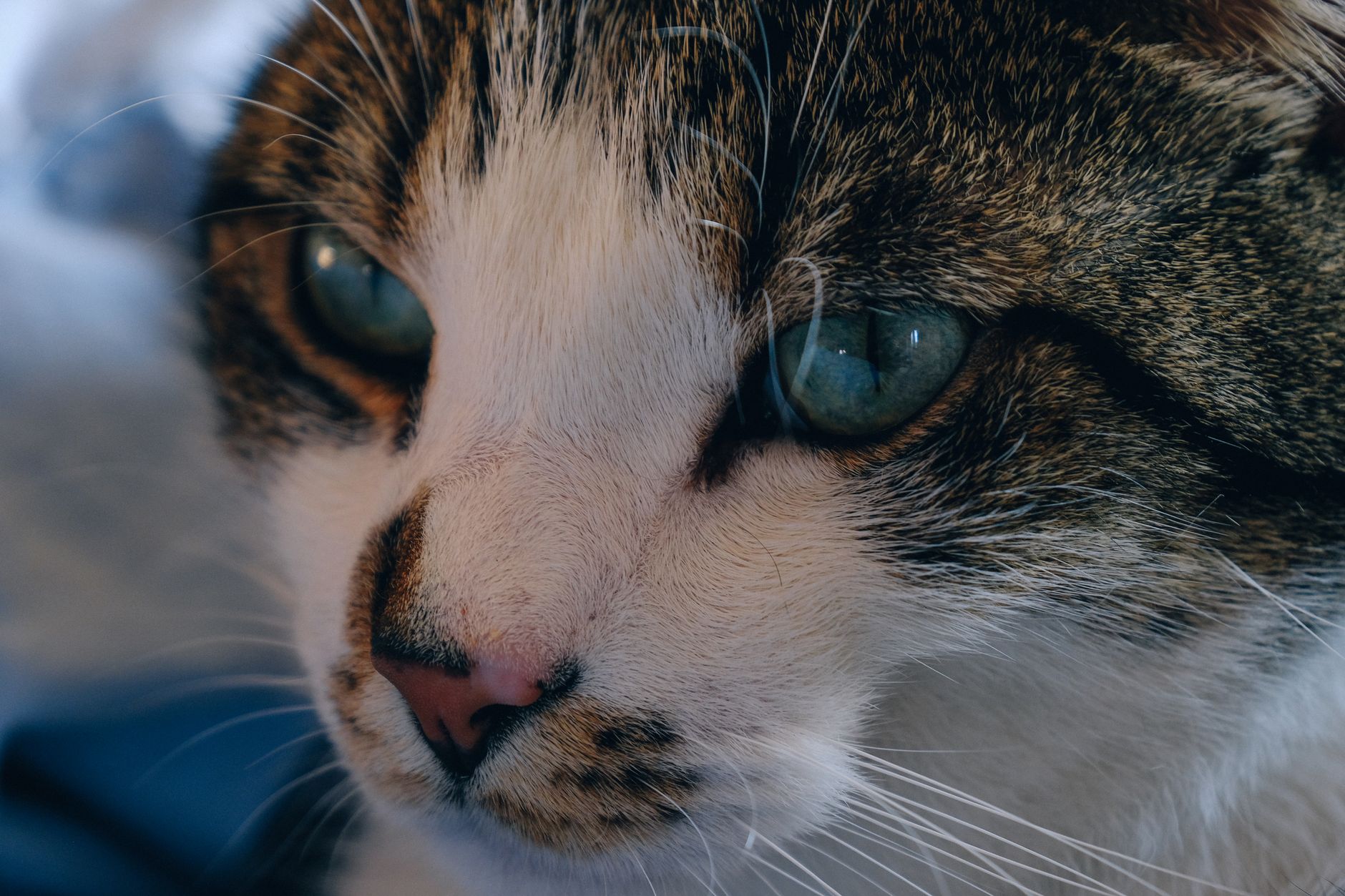
When a cat’s eyes are always watery, eye gunk seems to build up at the corners, and tear stains show up clearly in photos, many owners immediately think “Is my cat sick?” or “Is this an eye infection?”. In reality, eye discharge and tearing are signs, not a single disease, and they can be linked to anything from mild irritation to viral infection, structural problems or even eye injury. If owners only wipe the eyes and ignore the pattern behind it, they may miss an important window to seek timely veterinary care. This article outlines common causes and red flags, aiming to help owners observe more systematically and discuss findings with a vet. All medical-related content here is for general information only and does not replace professional advice.
Why do cats develop eye discharge and tear overflow?
From a clinical perspective, increased eye discharge in cats almost never has just one simple explanation. Vets usually consider two broad mechanisms: first, tear production may be genuinely increased, for example due to infection, inflammation or irritation; second, tear drainage may be impaired, such as with a blocked nasolacrimal duct or congenital facial structure issues that let tears pool near the inner corner. In real life, many cats show a mix of both mechanisms, like flat-faced breeds that also carry viral infections, leading to thicker, more obvious discharge. What owners can safely do at home is to observe and document changes in detail, rather than trying random human eye drops or folk remedies, then bring that information to the vet for a proper examination.
Common cause 1: Conjunctivitis and upper respiratory infections
Across many animal hospitals, conjunctivitis and upper respiratory infections rank among the most frequent reasons for increased eye discharge. Conjunctivitis often presents with redness, swelling, squinting and light sensitivity along with more eye gunk. The underlying triggers can be bacterial, viral or related to irritants. Upper respiratory infections, frequently seen in kittens, multi-cat households or high-stress environments, are commonly associated with feline herpesvirus and calicivirus. These conditions may cause watery eyes, thicker discharge, sneezing, nasal discharge and reduced appetite. Some owners are tempted to buy over-the-counter human eye drops first, but different causes require different treatments, and incorrect medication can add risk. Whenever eye signs appear together with systemic symptoms such as lethargy or poor appetite, an in-person veterinary exam is strongly recommended.
Common cause 2: Environmental irritants, allergy and foreign bodies
In certain cats, eye discharge increases suddenly not because of infection, but due to changes in the environment. Dusty cat litter, strong home fragrance, mold-removal sprays, second-hand smoke or poor indoor air quality can irritate the eyes and trigger tearing. If discharge started shortly after switching litter, moving house or adding a new diffuser, removing the suspected irritant and observing for a short period is often the first step. Another group of cases involves foreign bodies or mechanical irritation: dust, sand, plant fragments or ingrown eyelashes rubbing against the cornea. These cats may paw at their face, squint or avoid opening the affected eye. Left untreated, this can lead to corneal damage or ulceration, which is more serious and painful. In any situation where foreign material or injury is suspected, owners are generally better off seeking veterinary help directly rather than waiting for the eye to “recover on its own”.
Common cause 3: Facial conformation and tear drainage problems
Certain breeds, such as Persians, Exotic Shorthairs and other brachycephalic cats, are born with facial features that predispose them to tear overflow. Their short noses, shallow eye sockets and possible eyelid abnormalities can hinder normal tear drainage or allow lashes to rub against the eye surface. Owners of these cats often notice persistent tear staining and frequent buildup of mild discharge around the inner eye corners. Over time, chronic wetness may irritate the surrounding skin and hair, and in some cases secondary bacterial growth can occur. For more severe eyelid inversion or clear nasolacrimal duct obstruction, a vet may discuss whether surgical correction is appropriate. Even when the issue is partly anatomical, owners still carry the responsibility of gentle daily cleaning, monitoring for sudden changes in color, amount or smell of discharge, and recognizing when the pattern no longer looks like their cat’s usual baseline.
Common cause 4: Corneal injury and less common but serious eye diseases
Active cats climb, scratch, wrestle and explore, so corneal injuries are not rare. Overgrown nails, contact with rough objects or splashes of irritating chemicals can scratch the corneal surface. In such cases, eye discharge may suddenly increase, becoming thicker or occasionally blood-tinged. The cat may show obvious pain, keep one eye closed, avoid bright light or rub the face repeatedly. Less common but significant conditions such as uveitis or dry eye syndrome can also present with tearing and changes in discharge, usually accompanied by deeper structural or vision-related signs. These often relate to immune processes or systemic disease and require a thorough veterinary workup rather than simple topical drops. If owners notice uneven pupil size, a cloudy or bluish appearance of the eye, or any rapid change in eye shape, these are considered urgent warning signs, and delaying a vet visit can increase the chance of long-term damage.
Safe home observation and basic eye hygiene for cats
When a cat’s eye discharge changes, the safest first step for owners is calm, structured observation instead of immediate self-medication. Helpful details to record include the discharge color (clear, watery, yellow-green, brownish, or blood-tinged), whether one or both eyes are affected, timing and triggers, and any associated changes in energy level, appetite, sneezing or nasal discharge. Clear, watery tears that resolve quickly after a minor irritant may be less concerning, whereas thick, sticky or foul-smelling discharge more often suggests infection or inflammation. For routine hygiene, many vets recommend using lukewarm boiled water or vet-approved pet eye cleansers, together with soft cotton pads, wiping gently from the inner corner outward without scrubbing back and forth. All medical decisions should still be based on a vet’s examination and instructions. Information in this article is meant to support conversations with professionals, not to serve as direct treatment guidance.
When should you see a vet about your cat’s eye discharge?
Not every episode of watery eyes demands emergency care, but certain patterns warrant prompt attention. Owners are advised to contact a vet quickly if discharge suddenly becomes heavy and yellow-green or blood-tinged, if the cat is squinting, keeping the eye closed or constantly pawing at the face, if the white of the eye looks very red or the eye appears cloudy, or if eye changes are accompanied by sneezing, nasal discharge, poor appetite or low energy. Kittens, senior cats and individuals with known chronic illnesses are more vulnerable, so waiting too long carries higher risk. In multi-cat households, the first cat with noticeable eye signs may indicate a contagious problem; discussing isolation measures and environment management with a vet can help protect the group. Any medical advice, including the information here, is provided for general education only. Owners should always consult a qualified veterinarian before making health decisions for their cats.
Long-term eye health management and owner responsibility
Eye discharge and tear overflow may look like small cosmetic issues, but often reflect a cat’s broader health and living conditions. Responsible owners treat these signs as opportunities to check in on their cat’s wellbeing rather than simply cleaning and forgetting. Regularly inspecting the eyes, choosing low-dust litter, managing indoor air quality and being cautious with strong fragrances or cleaning chemicals all contribute to a safer environment. Situations such as boarding, grooming visits or new cats joining the household can increase stress and exposure to pathogens, so monitoring eye status before and after these events is helpful. For cats known to carry viruses like feline herpesvirus, long-term management strategies should be discussed with a vet based on up-to-date evidence. This article cannot cover every scenario and is not a substitute for professional diagnosis. It is intended as a neutral, educational reference to help owners ask better questions and seek timely veterinary support when needed.