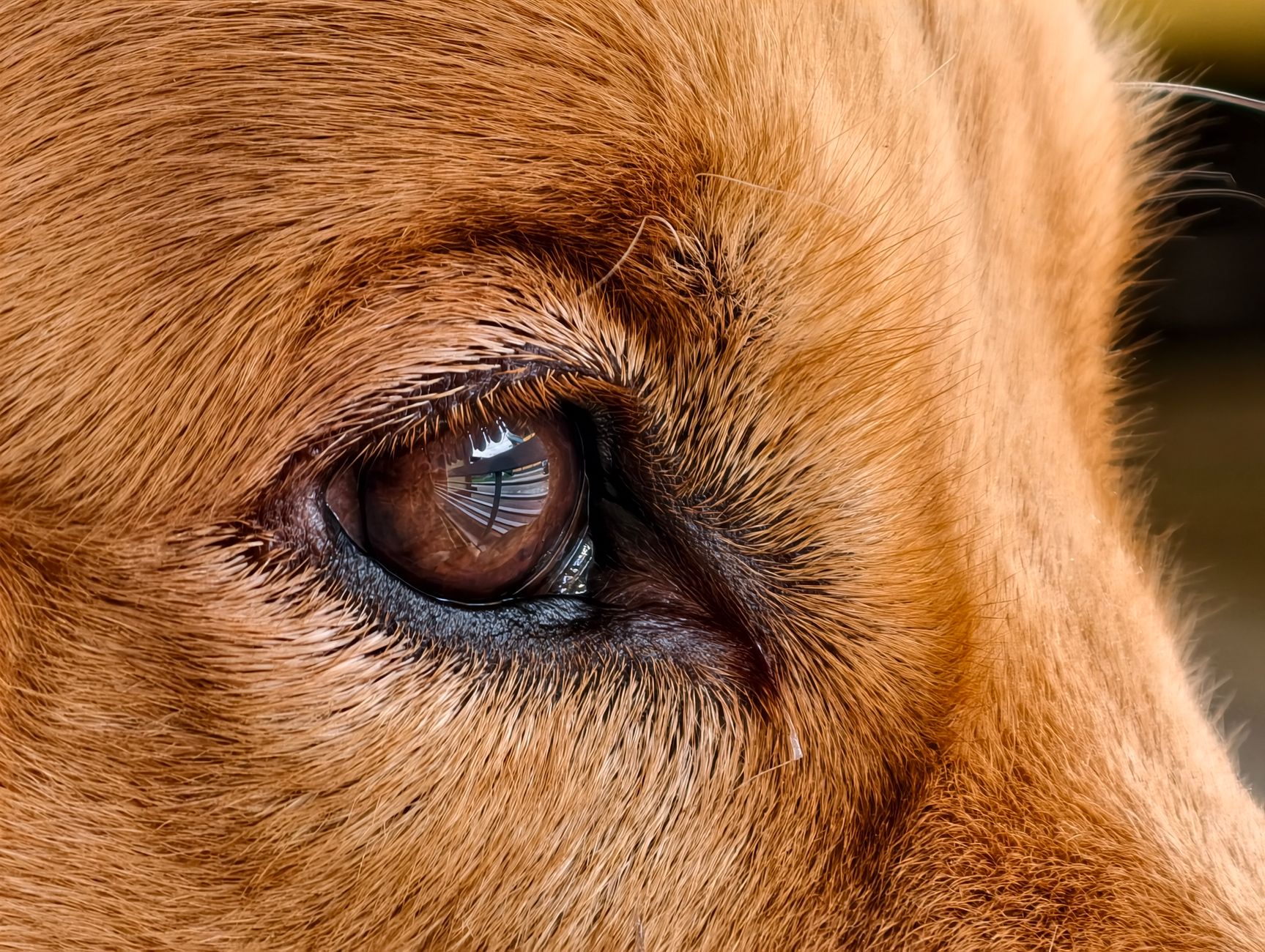
Many owners only notice tear stains when close-up photos show reddish tracks under the eyes, especially on white or light-colored dogs. These stains may look like a cosmetic concern, yet they often mean the fur and skin around the eyes stay damp for long periods. Constant moisture can be uncomfortable for the dog and may be associated with odor or skin irritation if left unmanaged. Understanding why tear stains form, how they differ between breeds, and what daily routines can reduce them helps owners take responsibility for their dog’s comfort rather than focusing only on appearance. With consistent home care, appropriate grooming and timely veterinary checks, most dogs can enjoy a cleaner, drier eye area even if some staining still occasionally appears.
What are dog tear stains and what commonly causes them?
Dog tears normally drain through tiny channels called nasolacrimal ducts into the nose, instead of running down the face. When these ducts are narrow, blocked or overwhelmed by higher tear production, tears spill over at the inner corner of the eye and soak the fur. On many light-coated breeds, the minerals and pigments in tears leave brown or red tracks that owners recognize as tear stains. Small companion breeds such as Maltese, Poodles and Bichon Frise, as well as flat-faced dogs with shallow eye sockets, are often more prone to visible staining. Causes can range from mild factors like facial structure and long facial hair to allergies, irritants in the environment, or underlying eye conditions. Because the list of possibilities is long, observation and veterinary examination are important to decide whether the situation is primarily cosmetic or linked to a medical issue that needs treatment.
Warning signs: when tear stains may indicate a bigger problem
Although mild tear stains without other changes are often managed as a grooming issue, certain warning signs deserve prompt veterinary attention. Owners should be cautious if the white part of the eye looks red, if discharge becomes thick or yellowish instead of clear, or if the dog keeps pawing at the eye, squinting or avoiding light. These changes can be associated with conditions involving the cornea, eyelids or lashes. The skin under the eye also matters; swelling, crusting or a strong odor suggest the area is under more stress than simple staining. In such cases, delaying a vet visit to focus on home remedies may allow discomfort or damage to worsen. Health-related information in this article is intended for general guidance only, and decisions about diagnosis or treatment need to be made together with a licensed veterinarian who has examined the dog in person.
Gentle daily cleaning: step-by-step care around the eyes
Keeping the eye area dry and clean is a practical first step that many owners can manage at home. A simple routine might involve using a pet-safe eye cleaning solution or sterile saline and soft cotton pads once or twice a day. Each session, the owner can gently wipe from the inner corner of the eye along the direction of hair growth, avoiding harsh rubbing that might irritate delicate skin. If the fur under the eye is very long or curls toward the eye, a professional groomer can trim it to reduce contact between hair, tears and the surface of the eye. After cleaning, lightly blotting the area dry helps limit the time the skin stays damp. Throughout the process, owners should pay attention to their dog’s reactions; if the dog shows sudden pain, strong resistance or visible redness, home cleaning should be paused until a vet can check for deeper problems.
Working with groomers: combining salon visits and home routines
Regular grooming visits can complement what is done at home and make tear stain care more efficient. Groomers often trim facial hair so that fringes around the eyes and muzzle stay tidy and away from the eyes. This not only keeps the dog looking neat but also reduces surfaces where tears can accumulate and dry. Some grooming salons use mild products around the eyes to soften dried discharge before cleaning, and owners are encouraged to ask about the ingredients and techniques used. Knowing exactly what is applied on the face can help owners discuss it with their veterinarian if the dog has allergies or sensitive skin. Between grooming sessions, owners remain responsible for daily maintenance and for tracking any changes. Taking periodic photos and noting when stains get darker or spread wider can provide useful information during veterinary consultations, especially when discussing whether allergies, anatomy or other factors are involved.
Diet, treats and water: how lifestyle choices relate to tear stains
Many owners wonder whether switching food or treats will lessen tear stains, and the honest answer is that the outcome varies from dog to dog. Some individuals appear to show fewer stains after moving to a different protein source or a simpler ingredient list, while others do not change despite diet adjustments. Rather than following online trends blindly, owners can review diet choices with a veterinarian or pet nutrition professional, taking into account the dog’s age, weight, health history and activity level. Treats are part of this discussion, since heavily processed snacks add extra variables that complicate observation. Clean water is another simple but important factor; washing bowls regularly and changing water frequently keeps the drinking setup more hygienic. Suggestions in this section are intended as general lifestyle ideas. When a dog has chronic disease, weight concerns or special medical needs, a vet’s input is essential before any major diet changes.
Home environment, allergens and everyday observations
The spaces where a dog lives can influence eye comfort as much as grooming and diet. Dust, strong fragrances, smoke and cleaning sprays may bother sensitive eyes and airways, leading some dogs to tear more in certain rooms or seasons. Owners can look at daily habits such as burning scented candles, spraying air fresheners or smoking indoors, and consider whether these practices might contribute to tear production in a sensitive dog. Using a vacuum cleaner and, where appropriate, an air purifier can help limit airborne particles. Bedding, blankets and soft toys also deserve occasional inspection to ensure they stay dry and reasonably clean. If tear stains seem to worsen at specific times of year or after a move, keeping a simple diary of changes in pollen levels, household products or new pets can be useful. Sharing these observations with a vet often helps connect patterns that might otherwise be overlooked.
Final thoughts: responsible observation, care and vet partnership
Tear stains themselves do not define a dog’s health, yet they draw attention to an area that owners should not ignore. Viewing them as a reminder to watch for redness, discharge changes and skin condition encourages more thoughtful daily care. Gentle cleaning, sensible grooming, attention to diet and a cleaner environment all show a commitment to the dog’s wellbeing, even when results are gradual rather than dramatic. At the same time, owners do not need to face decisions alone; working closely with a veterinarian provides a safety net when signs are unclear or when multiple factors are involved. Everything discussed in this article serves as general information only and should not replace professional medical advice. When in doubt, arranging a check-up and bringing notes or photos to the appointment helps the veterinary team understand the full picture and suggest options tailored to the individual dog.