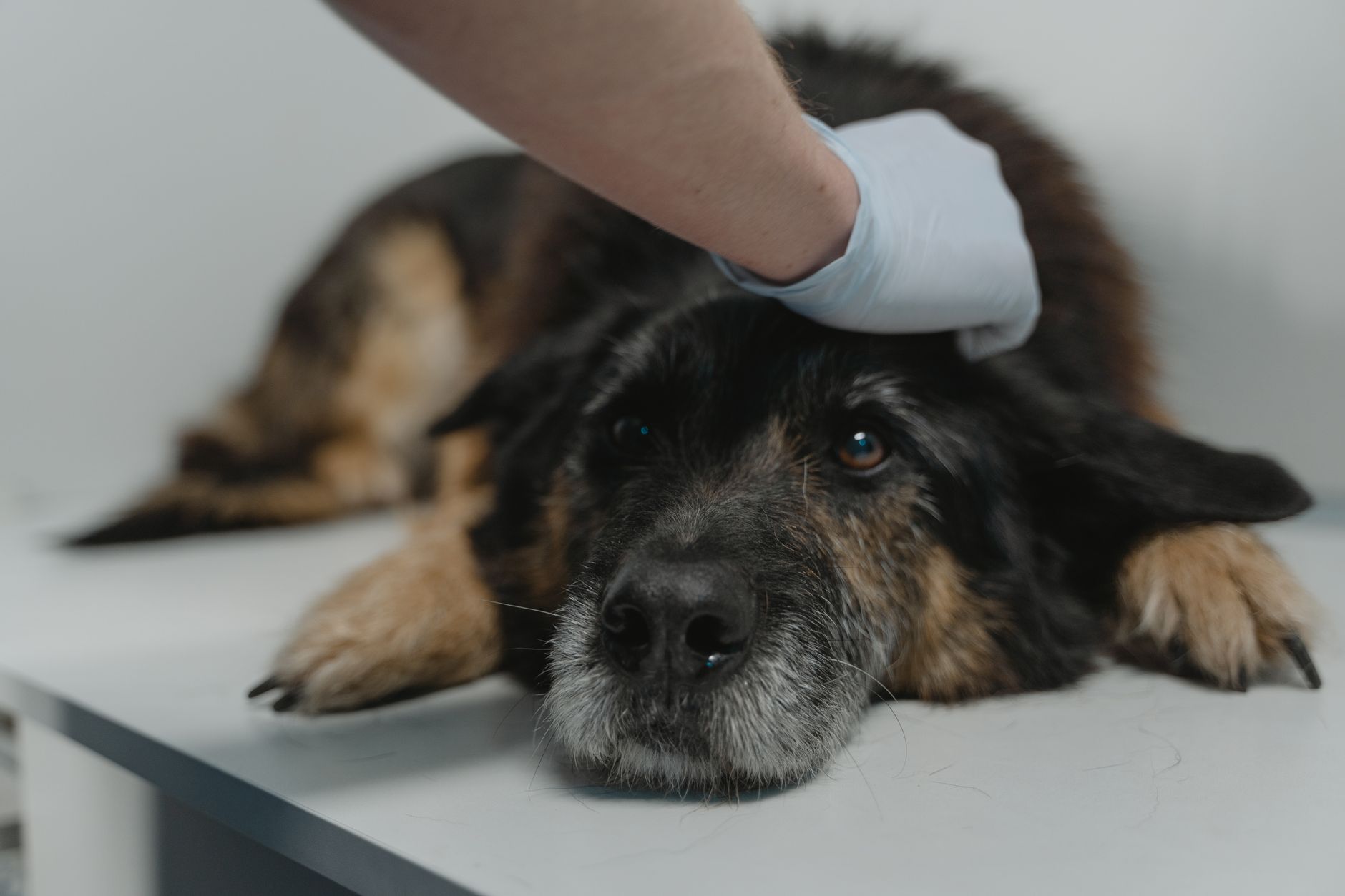
When a dog keeps having loose stool or bouts of diarrhea, many pet parents feel worried and unsure whether it is just a mild tummy upset or a sign of something more serious. Digestive upset not only affects a dog’s comfort but can also impact hydration and nutrient intake over time. Understanding key warning signs and making thoughtful adjustments at home can reduce risk while you arrange appropriate veterinary care. If symptoms are obvious, keep coming back, or last more than a day or two, the safest approach is to contact a veterinarian so a professional can evaluate the dog’s overall condition and decide what tests or treatments are needed.
Always involve a veterinarian: red flags to watch for
Mild, short‑lived loose stool with normal energy and appetite is common and often linked to minor diet changes or temporary stress. However, certain signs suggest you should seek veterinary help as soon as possible. These include repeated watery diarrhea, stool with blood or mucus, vomiting, marked lethargy, reduced appetite, fever‑like signs or clear abdominal pain. Puppies, senior dogs, toy breeds and dogs with chronic illnesses are more vulnerable to fluid and electrolyte loss, so delaying care can be risky. Situations involving suspected toxin exposure, swallowing foreign objects like toys or socks, or severe sudden illness also call for urgent veterinary attention rather than home remedies. In any doubt, it is safer to call a clinic and ask for professional guidance.
Common triggers: food changes, treats, stress and environment
There are many everyday reasons a dog might develop loose stool. One of the most frequent is an abrupt diet change, such as switching dry food overnight without a gradual transition. A dog’s gut microbiome needs time to adapt to new ingredients, and a sudden switch can lead to soft stool or diarrhea. Overfeeding, high‑fat table scraps, heavily seasoned human food and excessive treats can all challenge the digestive system. Stress is another major factor: boarding, moving to a new home, loud celebrations, grooming appointments or new family members can make a dog anxious, and the gut often reflects that stress. Seasonal weather shifts and changes in routine, such as less exercise or different feeding times, can also contribute to temporary digestive upset in sensitive dogs.
Underlying health conditions: why professional assessment matters
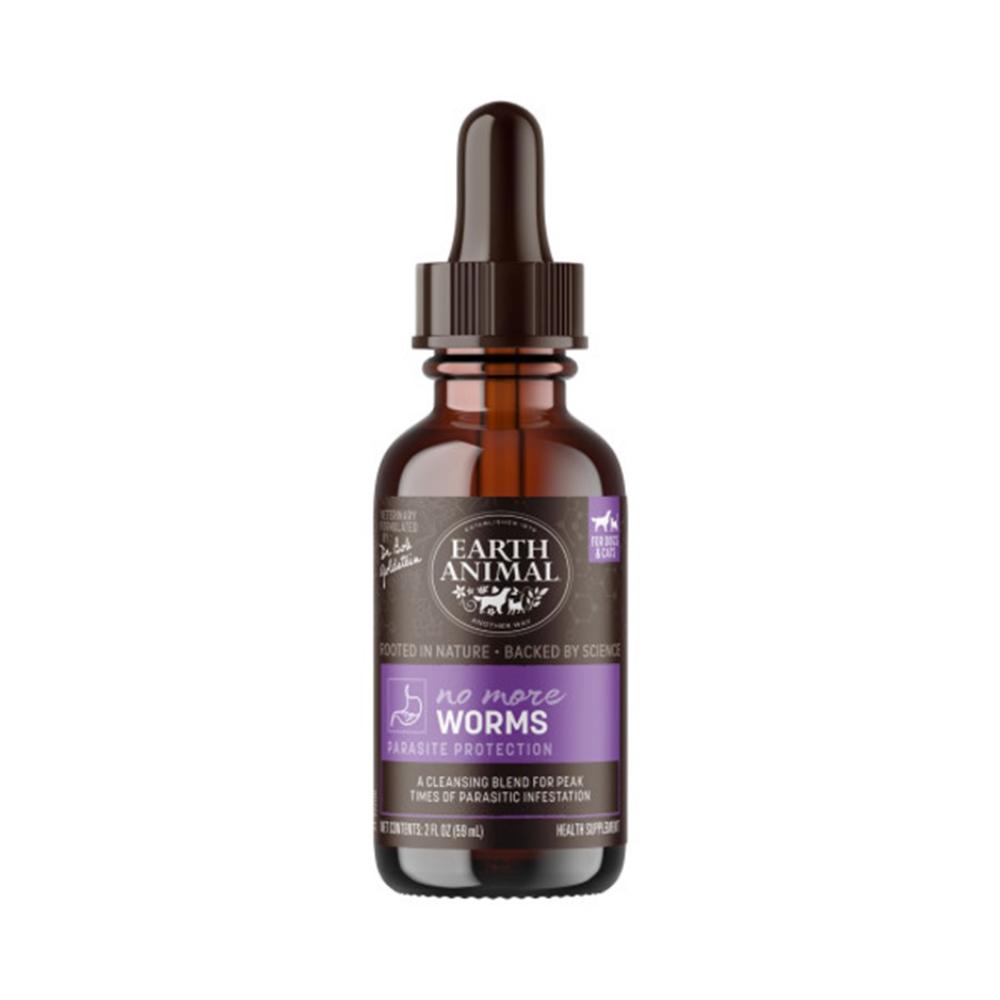
Loose stool and diarrhea are symptoms, not a diagnosis, and they can be associated with many possible medical conditions. Examples include inflammatory problems in the stomach or intestines, parasitic infections, bacterial or viral enteritis, pancreatic disorders, food intolerance or allergy, and various forms of chronic intestinal disease. Some dogs still look relatively bright and active yet have ongoing diarrhea for days or weeks, which can tempt owners to assume it is minor. In reality, repeated episodes may signal a deeper issue that deserves a veterinary work‑up. Depending on age, history and clinical signs, a veterinarian may suggest fecal tests, blood work or imaging to clarify the cause and then discuss appropriate management plans. Home observation is helpful, but medical decisions should always be based on veterinary judgment.
What to monitor at home: stool, energy and hydration
While arranging a vet visit or during mild episodes, owners can keep a simple log of their dog’s condition to share with the clinic. Note stool consistency, from slightly soft yet formed, through paste‑like or muddy, to almost watery, and check for mucus, blood streaks or unusual colors. Record how often the dog defecates and whether there is straining, vocalizing or signs of discomfort. At the same time, track energy level, appetite, thirst and activity; sudden changes such as refusing food, drinking much less or becoming unusually quiet are significant. If possible, take clear photos of representative stools and write down what the dog ate in the previous 24–48 hours, including treats and table scraps. These details do not replace a diagnosis but give the veterinarian valuable context for deciding next steps.
Diet adjustments: dry food amount, formula and transition method
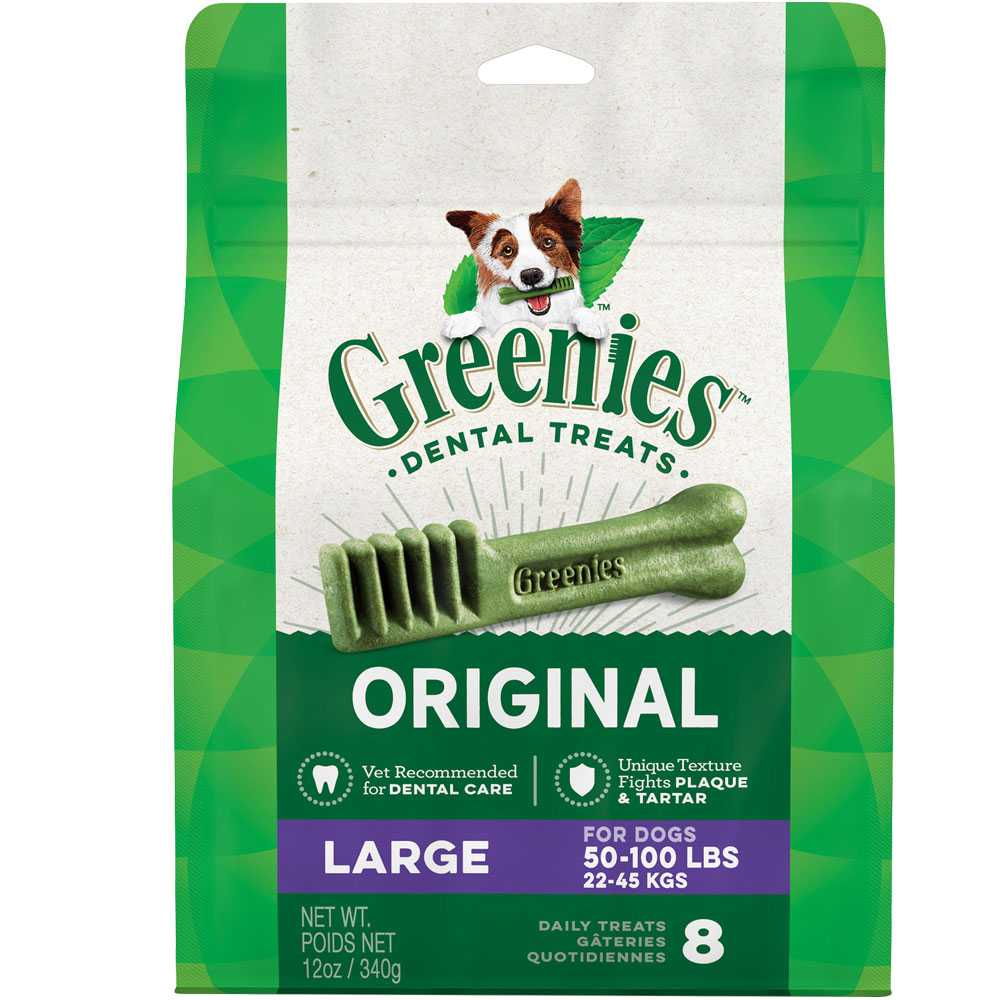
For dogs fed mainly dry kibble, it is useful to review portion size and recent changes. Feeding guidelines printed on the bag are general estimates and may be too high for some dogs, leading to overloading the digestive tract. Reviewing ideal body condition and slightly reducing portions for a few days can sometimes ease mild soft stool in otherwise healthy dogs. If loose stool began shortly after switching brands or recipes, temporarily returning to the previous food may help stabilize things. When re‑introducing the new food, do it gradually over about 7–10 days, slowly increasing the proportion of the new kibble. During episodes of loose stool, many owners choose to pause extras such as chewy treats, dental sticks and flavored table food, leaving only the main diet. Dogs with sensitive digestion may do better on formulas with clear protein sources, moderate fat levels and fewer complex additives; any long‑term change is best discussed with a veterinarian.
Hydration and short fasting: basic home care principles
Loose stool and diarrhea increase fluid loss, so steady access to fresh, clean water is essential. Owners should ensure the dog has water available at all times and watch whether it drinks regularly. Signs that raise concern about dehydration include dry or tacky gums, sunken eyes or poor skin elasticity, and these warrant prompt veterinary input. In some otherwise healthy adult dogs with mild diarrhea, a veterinarian may recommend a short fasting period, such as 12–24 hours, to let the gut rest before re‑introducing bland, easy‑to‑digest food in small frequent meals. Examples often mentioned in clinics include plain boiled chicken and white rice, but the exact plan and timing should always be tailored by a vet, especially for young puppies, tiny breeds or dogs with underlying health conditions. Owners should avoid starting fasting or special diets on their own without professional advice.
Probiotics and fiber: popular but still need vet guidance
Dog‑specific probiotic products and sources of dietary fiber, such as pumpkin puree or certain grains, are commonly discussed as part of digestive wellness. Some formulations aim to support a balanced gut microbiome, while soluble fiber can influence stool texture and regularity. Even so, no single product is suitable for every dog, and digestive responses vary widely. Before adding a new supplement or changing fiber intake, owners should consult their veterinarian to ensure it fits the dog’s current health status and does not clash with existing medication or diets. If the vet considers a probiotic or fiber source appropriate, introducing it gradually while monitoring for changes in stool, skin or behavior is prudent. Any worsening of diarrhea, vomiting or new discomfort after starting a product should prompt stopping it and revisiting the clinic.
Prevention mindset and final reminder to consult your vet
Over the long term, stable routines and thoughtful feeding choices have a major impact on digestive comfort. Helpful habits include avoiding frequent brand or recipe changes, limiting high‑fat leftovers and heavily seasoned human food, being moderate with treats and picking products with transparent ingredient lists. Regular exercise, adequate rest, weight monitoring, parasite control and periodic health checks also support overall resilience. Home care can ease mild, short‑term issues, but it cannot replace a veterinarian’s role in evaluating and managing disease. Whenever a dog’s loose stool or diarrhea is persistent, severe, or accompanied by other worrying signs, pet owners are strongly encouraged to consult a veterinarian promptly. Working together with a trusted clinic allows dogs to receive timely, appropriate care rather than relying on guesswork or self‑directed treatments.
This article provides general pet health education for reference only. If your pet shows any discomfort or unusual symptoms, please consult a veterinarian or seek veterinary care immediately.