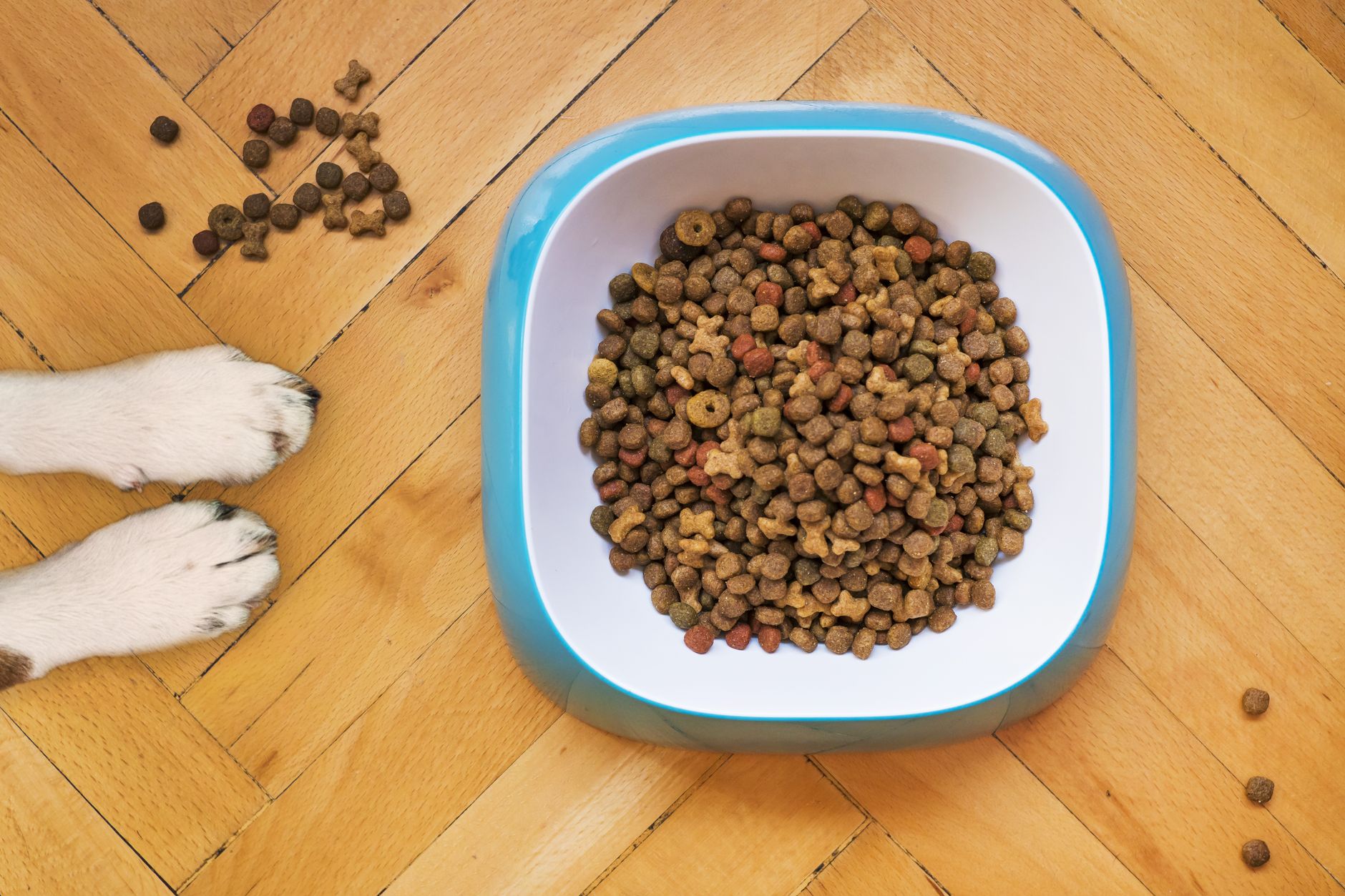
Why a food switch can trigger diarrhea
A sudden food change can upset a dog’s digestive routine because the gut has already adapted to the old formula. Over time, the intestinal bacteria, digestive enzymes, and meal rhythm become familiar with one set of ingredients, so a fast switch to a different protein, fat, or fiber profile can lead to soft stool, diarrhea, or even vomiting. Pet-health guidance commonly points to rapid transition as the most frequent reason for these reactions.
What a 7-day transition looks like
The goal of a food transition is not speed; it is consistency. A common approach is to start with a small amount of the new food mixed into the old food, then increase the new portion gradually over about a week. That gives the digestive system time to adapt, and it also makes it easier to tell whether the new food is truly a problem or whether the change simply happened too fast. Dogs with a history of a sensitive stomach may need an even slower schedule.
- Days 1 to 2: mostly old food, only a small amount of new food
- Days 3 to 4: an even mix of old and new food
- Days 5 to 6: more new food, less old food
- Day 7: full switch if stools stay stable
What owners should watch during the switch
During the transition, stool quality matters, but it is not the only signal. Owners should also track appetite, energy level, vomiting, gas, and how often the dog is defecating. Mildly soft stool with normal appetite and normal behavior may mean the pace is just too fast, while repeated diarrhea, vomiting, refusal to eat, or obvious lethargy deserves more attention. Veterinary articles consistently recommend watching the whole picture, not only one symptom.
When to pause the transition
Not every food change should continue as planned. If the new food smells off, was stored poorly, or is past its use-by date, it is better to stop and check the product first. The same caution applies to dogs with a known history of food sensitivity or a chronic digestive problem. Some sources also note that major changes in protein source or fat level can be enough to disturb the gut, especially when owners jump from one formula to a much richer one without a bridge period.
- Watery stool that keeps happening
- Vomiting together with diarrhea
- Reduced appetite or no appetite
- Blood in stool or clear lethargy
Everyday details that make transitions easier
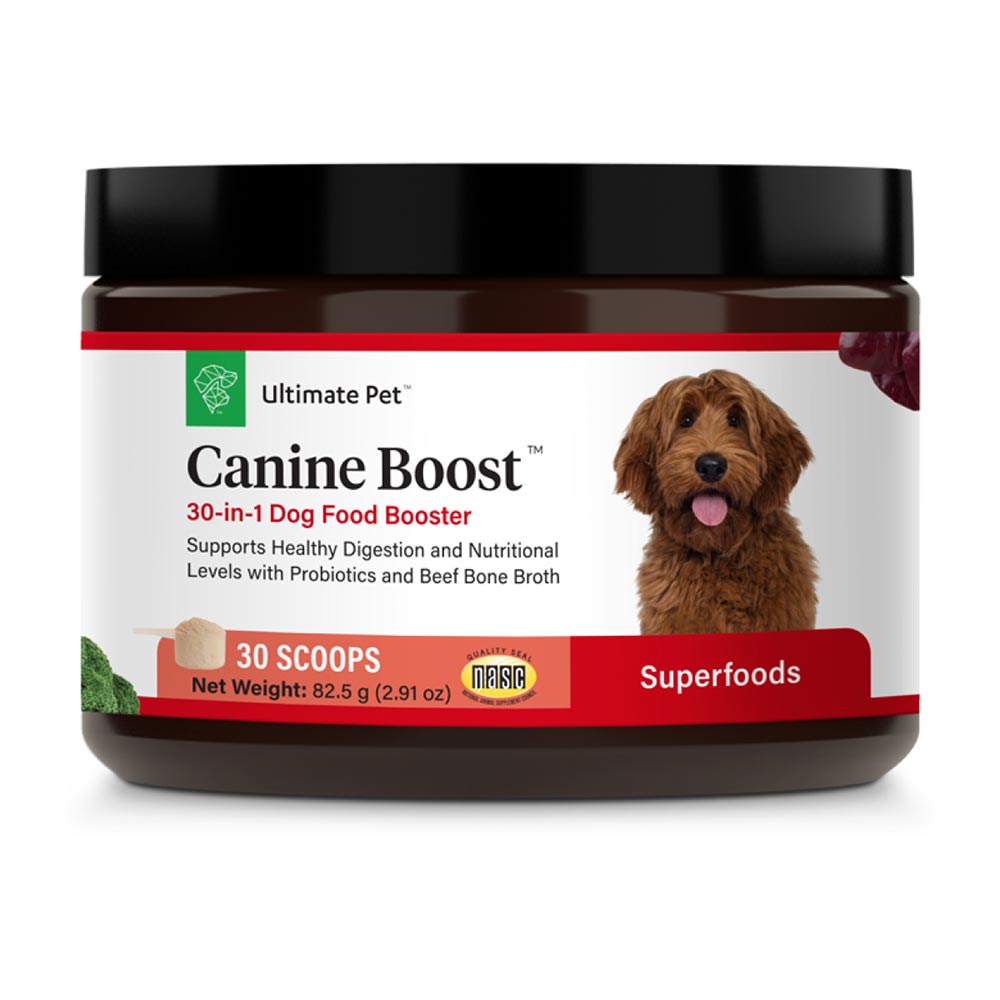
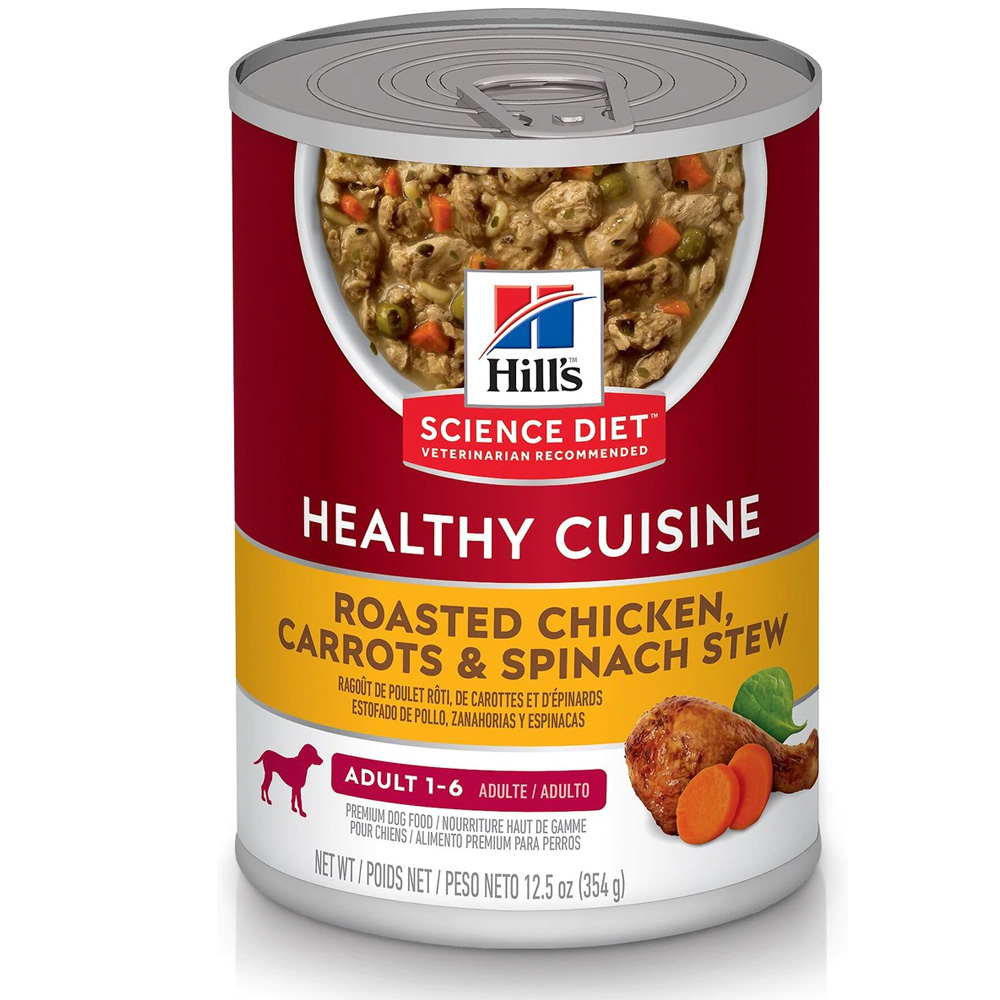
Food transition is easier when the rest of the routine stays simple. Avoid adding lots of treats, canned toppers, jerky, or supplements during the same week, because too many changes make it hard to identify the real trigger. Keep feeding times stable, measure portions carefully, and avoid swapping brands repeatedly while the gut is still adapting. If there are multiple pets at home, each one should be tracked separately so stool changes are not mixed up.
When a vet visit is the safer choice
If diarrhea lasts more than a day, or if it comes with vomiting, dehydration, black stool, blood, or obvious weakness, veterinary advice should come first. Puppies, senior dogs, and pets with chronic conditions can become unwell faster, so waiting too long is not a good trade-off. A food transition is a normal part of dog care, but the owner’s job is to lower risk with a steady plan, not to force the fastest switch possible. This article is for reference only; ongoing symptoms should be assessed by a veterinarian.
![Durvet Liquid Wormer 2X for Dogs (2 oz) - [Anthelmintic Suspension]](https://img.furbao.com/0a/37/0a37a8ef0818845daba0c161dcb9fe8c698c2e1b30d0b61d003c40b1b8924955.jpg)