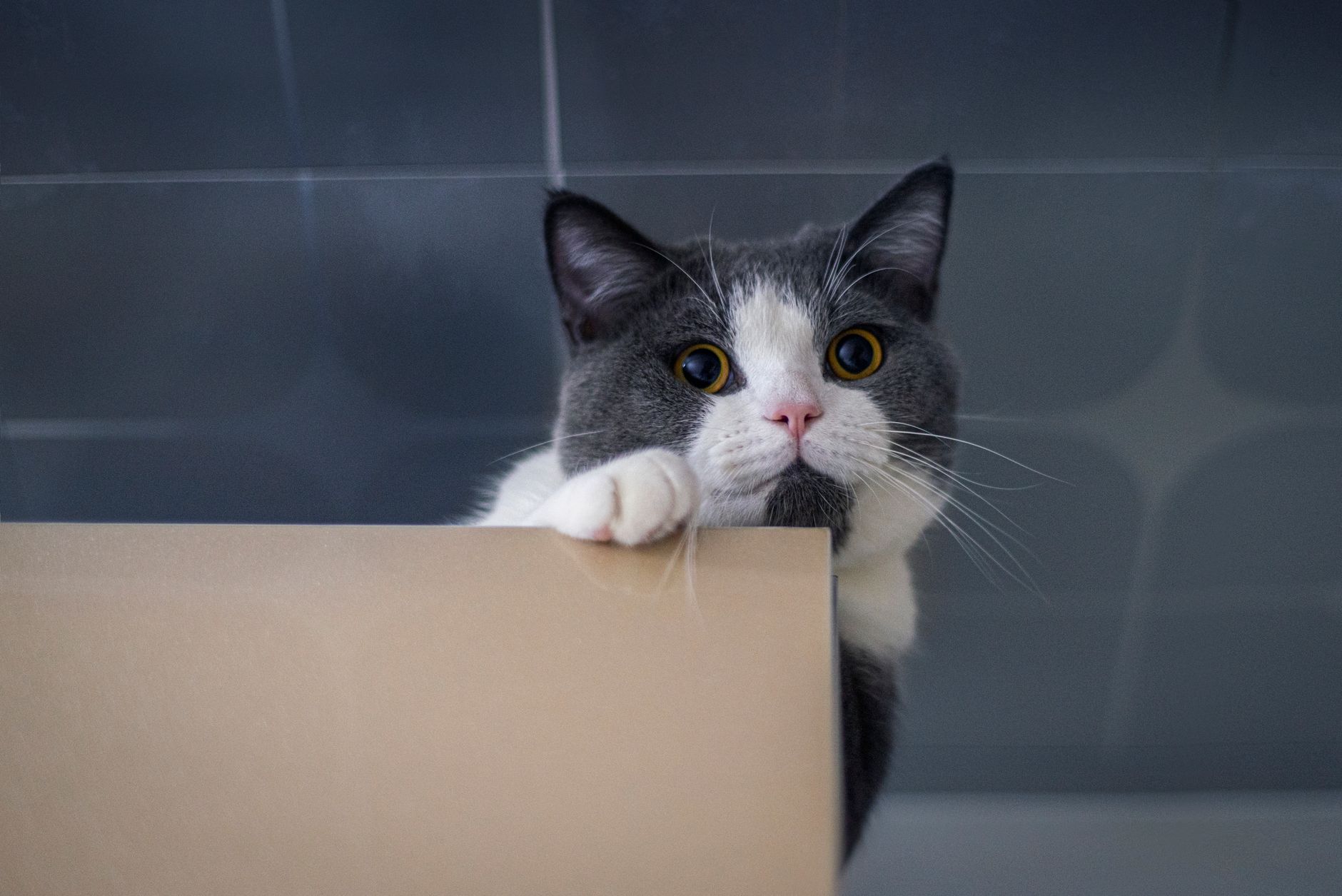
Finding urine on the bed, sofa or carpet while the litter box stays almost untouched can be deeply frustrating for any cat guardian. For a cat that previously used the box reliably, sudden accidents usually mean something has changed in health, environment or emotional state rather than that the cat is being naughty. Many veterinarians describe inappropriate urination as a signal that deserves careful investigation instead of punishment. By walking through health checks, litter box setup, litter type, household dynamics and stress factors step by step, most families can identify key triggers. The process takes patience, but a structured approach often brings the household back to a cleaner and calmer routine.
Rule out medical issues first: urination changes can be a warning sign
Any noticeable change in urination is a medical question before it is a behavior problem. Cats with urinary tract infections, bladder inflammation, stones or other lower urinary tract issues may start peeing outside the box, sometimes in very small amounts and in unusual locations. Guardians may also notice frequent trips to the box, straining, crying while urinating or blood-tinged urine. In severe cases, especially in male cats, partial or complete blockage can develop and requires urgent veterinary care. Because these conditions cannot be confirmed or excluded by observation alone, it is safer to let a veterinarian examine the cat, run urine tests and other diagnostics as needed. The suggestions in this article are for general education only and do not replace professional advice; when in doubt, seeking veterinary guidance promptly is strongly recommended.
Stress and environment: life changes can push cats away from the box
Once serious medical issues have been checked, stress and environmental changes become a major area to explore. Many indoor cats are highly sensitive to shifts in daily life, even ones humans might consider minor. Moving to a new apartment, rearranging furniture, adding a new roommate or baby, or suddenly changing work schedules can all lead a cat to feel unsafe using their usual litter location. Some cats will start urinating on soft surfaces like beds, rugs or piles of clothes because those spots smell strongly of their humans and feel more secure. In multi-cat homes, quiet tension over territory can also drive one cat away from the shared box, especially if another cat blocks entrances or ambushes at the doorway. Guardians can review recent changes at home and watch for other signs of stress such as hiding, reduced play, altered appetite or increased startle responses. Connecting these pieces often reveals hidden stressors that need to be addressed alongside the urination issue.
Litter box design and placement: size, access and number matter
Even in a stable home, the litter box itself can make or break success. Boxes that are too small, too high-sided or fully covered may feel uncomfortable or unsafe, particularly for larger cats, seniors or cats with joint stiffness. A practical guideline is that the box length should be roughly one and a half times the cat's body length, giving enough room to turn and dig comfortably. Placement is equally crucial. A box next to a noisy washing machine, slamming door or loud TV may be technically available but rarely feels like a secure bathroom spot to a cat. In a multi-cat household, one box in a hallway can quickly become a conflict zone if cats have to pass each other in tight spaces. Many behavior specialists recommend following the “number of cats plus one” rule for boxes and spreading them across different rooms rather than clustering them together. Adjusting location so that boxes are quiet, easily accessed and not in dead ends often encourages reluctant cats to give them another chance.
Litter type and cleanliness: sensitive noses and paws have strong opinions
Cats experience the litter box through their paws and their nose, so texture and scent can strongly influence their choices. Some cats prefer fine, sand-like clumping litter, while others do better with slightly larger granules that feel more stable. Strongly perfumed litters, which humans might choose to mask odor, can be overwhelming to a cat's sensitive sense of smell and push them toward unscented surfaces like tile or fabric. Dusty litters can also be a problem, especially for cats that start sneezing or coughing when they dig. On top of litter type, cleanliness plays a central role. A box that stays full of clumps or stool for long periods may be written off by a cat as unusable. Many households find that scooping at least once or twice a day and fully refreshing the litter and washing the box on a routine schedule keeps cats far more consistent. When accidents start happening, switching to an unscented, low-dust litter and tightening up cleaning habits is a simple experiment that often yields useful information.
Behavior guidance: avoid punishment and build positive associations
Strong emotions are natural when cleaning yet another puddle on the couch, but shouting, hitting or rubbing a cat's nose in urine tends to make things worse, not better. Punishment often teaches cats that humans near the litter box are scary, or that they should urinate secretly in hidden places, rather than encouraging desired behavior. A calmer strategy focuses on interrupting and redirecting. If a guardian catches a cat about to urinate in the wrong spot, they can gently interrupt with a neutral sound, then guide or carry the cat to a nearby box. When the cat uses the box, soft praise, gentle petting or a small treat can help build a positive link with that location. For areas that have already been soiled, using an enzymatic cleaner designed to break down urine odor is important; regular cleaners may leave enough scent for the cat to keep returning. If problems persist despite reasonable home efforts, a consultation with a veterinarian or a qualified behavior professional can provide a more tailored plan. All such guidance remains general and should be adapted with local professionals who know the specific cat.
Multi-cat households and marking: tell urination from spraying
In homes with more than one cat, inappropriate urination is sometimes related to social tension or territory marking rather than simple toilet habits. Normal urination usually involves the cat squatting and leaving urine on a horizontal surface, while spraying often looks like the cat standing or backing up to a vertical surface with the tail raised, releasing a small amount of urine onto walls, furniture or door frames. Intact males are well known for spraying, but neutered males and females may also spray under stress or during disputes over territory and resources. In such cases, guardians may need to look beyond the box and review the whole resource layout: number of resting spots, vertical spaces, food stations and hiding places. Providing multiple safe routes through the home, adding shelves or trees and reducing forced face-to-face encounters can lower tension. If marking seems related to conflict or outdoor stimuli, blocking visual access to certain windows or using environmental enrichment may help. Discussing these patterns with a vet or behaviorist can clarify whether the primary issue is medical, emotional or a mix of both.
When to seek professional help and how to use this guide safely
While many litter box issues improve once health, environment and routine are adjusted, some cases require more intensive, individualized care. Urgent veterinary attention is needed if a cat strains without producing urine, cries in the box, passes blood, stops eating or appears lethargic. Guardians should also seek professional help when they feel overwhelmed, are considering rehoming, or cannot identify any clear pattern behind the accidents. This article is intended as general information to help caregivers ask better questions and observe their cats more precisely. It does not offer diagnosis or treatment and should not be used as a substitute for a consultation with a veterinarian or qualified behavior professional. Health and behavior decisions always involve risk, so whenever there is uncertainty, discussing the situation with a trusted professional is advisable.
Final thoughts: responsibility means listening to what the behavior says
A cat peeing outside the litter box is rarely acting out of spite. More often, the behavior is a practical message about pain, fear, confusion or unmet needs in the environment. Taking responsibility as a caregiver means taking that message seriously, even when the cleanup feels exhausting. By systematically checking medical causes, refining litter box design, adjusting litter and cleaning routines, and paying attention to household stress, many families can restore more predictable bathroom habits. Every cat is different, so the path to improvement may look a little different in each home. The ideas shared here are for reference only; pairing them with local veterinary and behavior advice offers a safer, more reliable way to support both cats and humans living under the same roof.