When people bring home their first dog, basic cues like sit, stay and come quickly move to the top of the to‑do list. Very soon, a practical question appears: is it better to use a clicker or just treats when starting out. Positive training focuses on rewarding behaviors the owner wants to see more often, but the choice of tools affects timing, clarity and daily routine. Some owners grab a clicker because it looks “professional”, others hand out treats whenever the dog looks cute, and both approaches can leave the dog confused about what actually earned the reward. This guide explains how positive reinforcement works, how clickers and treats play different roles, and how beginners can choose a setup that fits their dog, household and lifestyle. All information is for general reference, and specific health or behavior concerns are best discussed with a veterinarian or qualified trainer.
What positive reinforcement really means in everyday dog training
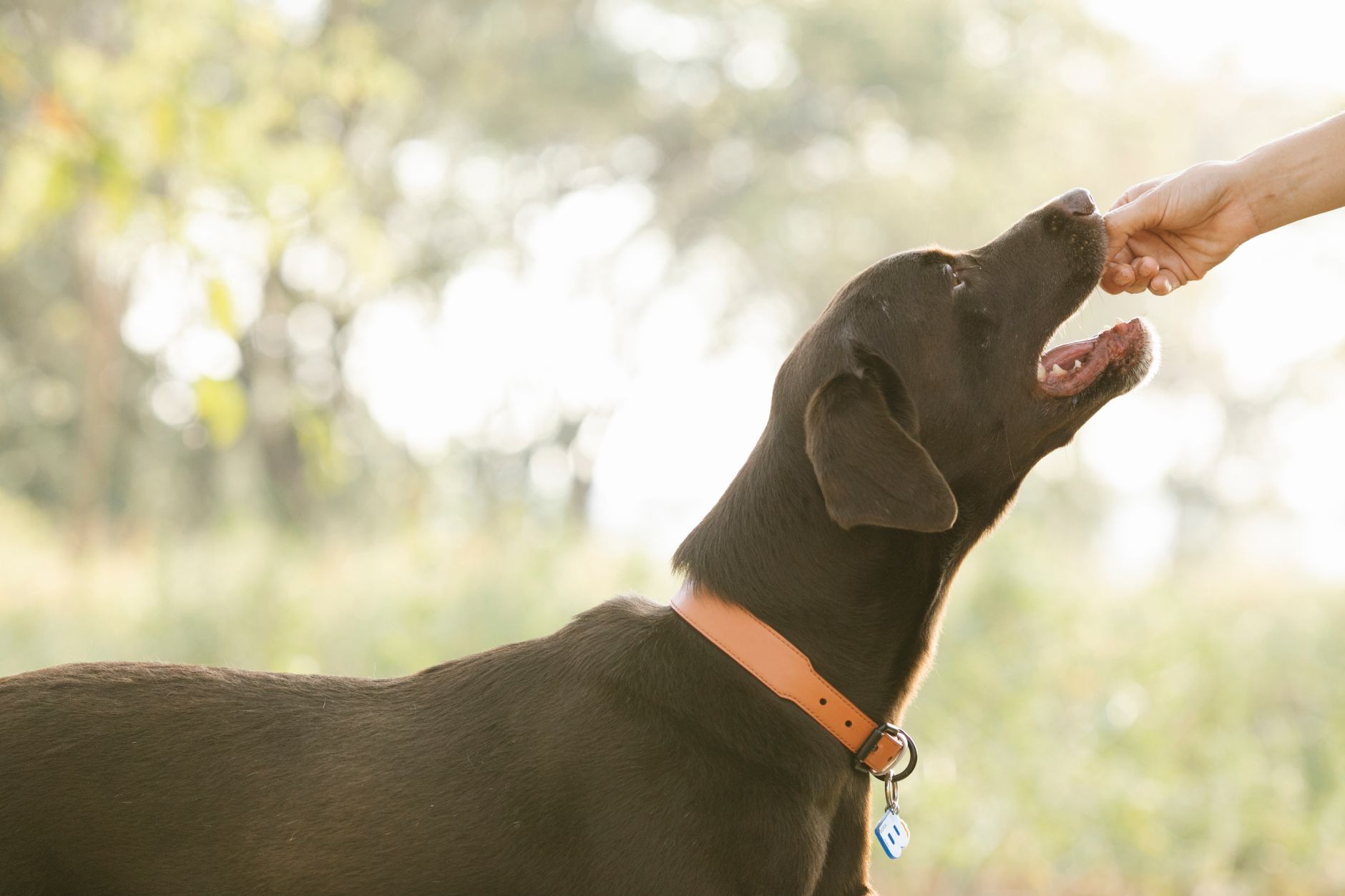
Positive reinforcement is a technical term, but in daily life it boils down to a simple idea: when the dog does something the owner wants, something pleasant follows. Over time, the dog learns that certain behaviors reliably lead to good outcomes, such as food, play or attention, and starts offering those behaviors more frequently. In most homes, food is the easiest and most powerful reward, yet some dogs are also highly motivated by tug games, fetch or calm petting. The key is that rewards must be both meaningful to the dog and delivered at the right moment. If the owner says a cue but sometimes forgets to follow up, or gives a treat long after the desired behavior happened, the dog has trouble connecting the dots. Positive training is less about fancy equipment and more about consistent expectations, clear signals and predictable consequences. Tools like clickers and treat pouches simply help owners keep those elements stable in the middle of real‑world distractions.
How a clicker works and why trainers often recommend it
A clicker is a small device that makes a short, distinct “click” sound when pressed, and that sound is used as a marker. First, the dog learns that “click” always means a reward is coming, whether it is food, a toy or another valued experience. Once that connection is built, the owner can press the clicker at the exact moment a desired behavior happens, then calmly deliver the reward a second or two later without losing clarity. This is especially useful for shaping more precise behaviors, such as eye contact, brief pauses at doorways, or complex tricks taught in tiny steps. Because the sound is consistent and neutral, different family members can join training without changing the marker signal. However, the clicker only has meaning if it is followed by a reward every time; if owners click casually without backing it up, the dog eventually learns to ignore it. For noise‑sensitive dogs, it can help to start with the clicker held farther away or to use a softer marker sound, while still keeping the rule that the marker always predicts something good.
Treats as rewards: more than “something tasty”
Treats sit at the heart of many positive training plans, but their effectiveness depends on type, size and how they fit into the dog’s overall diet. Beginners often offer treats that are too large, so a short session fills the dog up quickly, or they rely on kibble the dog already finds boring. A more practical approach is to choose small, soft pieces with a noticeable smell, and to give just one tiny piece per repetition so training can continue without overfeeding. Owners can also use different reward values: everyday treats for easy exercises and extra tasty options for harder tasks or challenging environments. At the same time, treat use should be aligned with the dog’s weight management and any medical conditions. Dogs with chronic issues, food sensitivities or special dietary needs benefit from veterinary input on suitable treat types and daily amounts. When food is limited, owners can reserve part of the regular meal for training, turning kibble into a structured reward instead of relying solely on extras from the treat jar.
Should beginners choose a clicker or just treats first
For most new dog owners, the decision does not have to be an either‑or choice, but a question of what fits their coordination, schedule and household. Someone who is comfortable managing a leash, treat pouch and clicker together, and is interested in timing precise moments, may find the clicker very helpful from day one. On the other hand, an owner juggling children, work calls and a new dog may feel overwhelmed holding another piece of equipment, making clear verbal praise plus treats a more realistic starting point. The dog’s personality matters too: some dogs barely notice the click, while others are startled by sudden sounds and need time to get used to them in a calm setting. A reasonable path for beginners is to start with “treats plus a consistent praise word”, and introduce a clicker later if they want finer control over timing or plan to teach detailed behaviors. Behavior or training problems should not be handled through guesswork alone; consultation with a qualified trainer or veterinary behavior professional offers tailored guidance beyond general advice like this article.
Common mistakes when using a clicker and how to avoid them
Once an owner decides to use a clicker, a few simple rules can prevent confusion. The first rule is that a click always predicts a reward; clicking without following through weakens the marker’s meaning. Owners sometimes click to “scold” a dog, press the device repeatedly just for fun, or click too early, before the dog finishes the behavior. In those situations, the dog receives mixed messages and may start offering random actions in search of the pattern. A better habit is to practice clicking timing without the dog first, for example by watching a video and deciding exactly which moment would count as success. In real training sessions, it helps to keep clicks spaced out and tied clearly to specific actions, not to a stream of partial attempts. If progress feels stuck or the dog appears stressed, pausing to reassess the training plan and seeking outside input is wise. While positive methods aim to keep sessions upbeat, they still require thoughtful structure and attention to the dog’s emotional state, especially in busy family environments.
Smart treat use: fitting rewards into daily life and routine
Treats can either support training or quietly undermine it, depending on how they are woven into everyday interactions. In many homes, dogs receive treats for greeting visitors, looking sweet, or simply because someone walked past the treat container, which makes it harder for the dog to tell training sessions apart from casual moments. Owners can improve clarity by differentiating “training rewards” from “just because” treats: smaller, easy‑to‑deliver pieces are reserved for structured practice, while spontaneous handouts are reduced or replaced with play and attention. For dogs needing weight control, adjusting meal size or partially converting regular food into training rewards can keep total intake more balanced. It is also important to watch for signs that a dog is losing interest in treats during sessions; this may point to fatigue, stress or an underlying health issue rather than simple pickiness. When in doubt about diet or appetite changes, consultation with a veterinarian is recommended, and training plans can be adapted based on that professional assessment.
Practical starting tips for new dog owners using positive methods
Regardless of whether owners rely mainly on treats, add a clicker, or combine multiple reward types, a few practical habits make early training smoother. Keeping sessions short and ending while the dog still wants to participate helps create positive expectations for the next round. Agreeing on cue words and reward rules within the family avoids situations where one person says “come”, another says “here”, and a third uses different phrases entirely, which can slow learning. Respecting the dog’s physical and emotional state is equally important; on days when the dog seems unwell, overly tired or unusually tense, gentle rest and, if needed, veterinary advice take priority over drills. In the long run, positive training is not just about teaching commands but about building trust and communication between people and dogs. This article offers general guidance and does not replace individualized recommendations from qualified professionals, especially when behavior issues or health concerns are present.