Puppy potty training works best when the routine is predictable. New owners often think the problem is disobedience, but in many homes the real issue is an inconsistent schedule, too much freedom too soon, or rewards that come too late. Puppies learn faster when the same place, same cue, and same timing are repeated over and over. Veterinary behavior guidance also emphasizes frequent trips, close supervision, and immediate praise at the correct spot.
Build a schedule the puppy can actually follow
A young puppy cannot hold urine for long stretches, so training has to match the dog’s age and daily rhythm. The most reliable moments are after waking, after meals, after play, and after drinking water. During the early stages, many puppies need very frequent toilet breaks, sometimes every one to two hours while awake. For busy households, that usually means planning help from family members, using a pen, and limiting access to the whole house until the habit becomes more reliable.
- Take the puppy out right after waking up
- Repeat after meals, water, and play sessions
- Use short intervals during the first training phase
- Restrict space when the puppy cannot be watched
Choose one toilet spot and keep it consistent
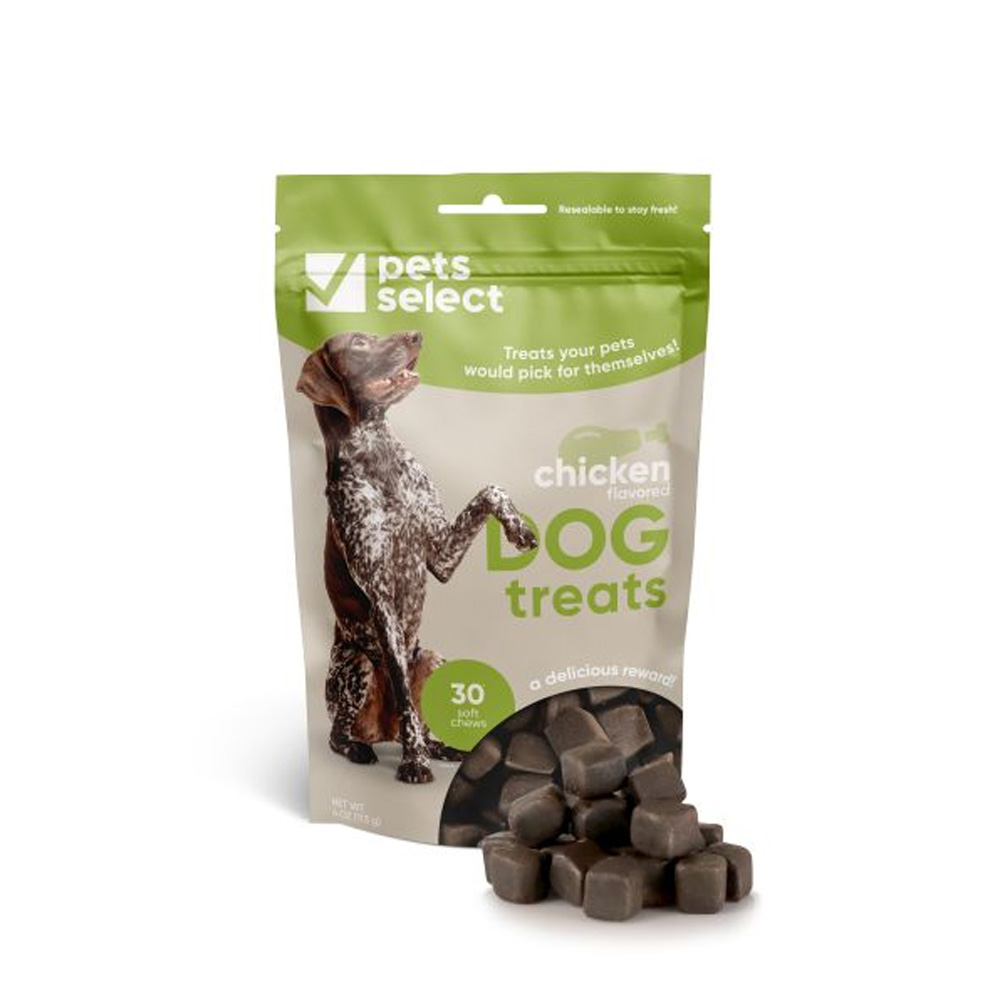
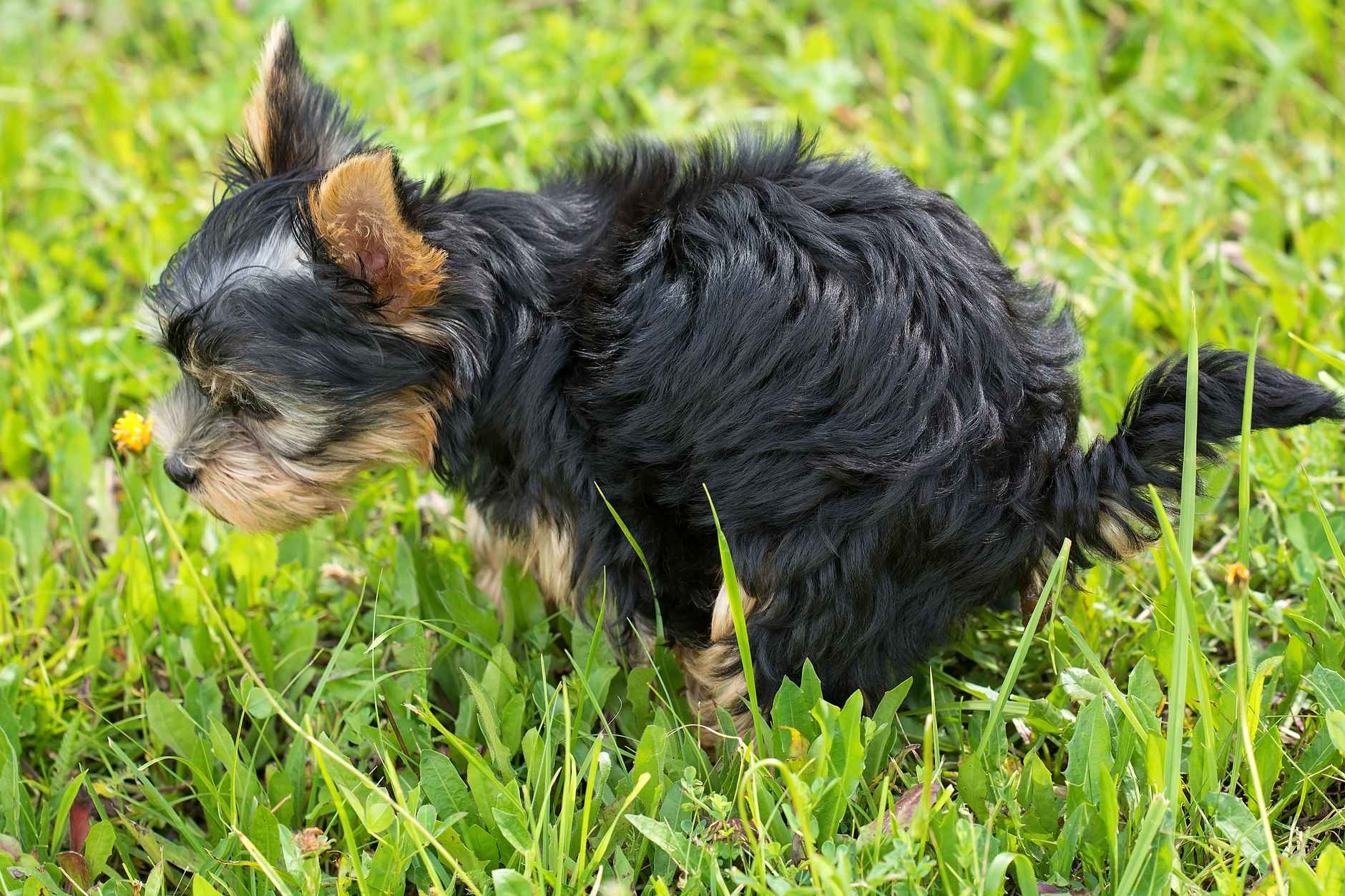
Dogs learn location through repetition, not through explanation. That is why the chosen spot should be easy to reach, practical in bad weather, and always the same. Once the puppy arrives, keep the interaction calm and avoid turning the moment into a game. When the puppy finishes in the right place, use a simple cue word such as “go potty” and reward immediately with praise and a small treat. The timing matters, because delayed rewards can teach the puppy only that coming back inside leads to food.
Supervision and confinement prevent most mistakes
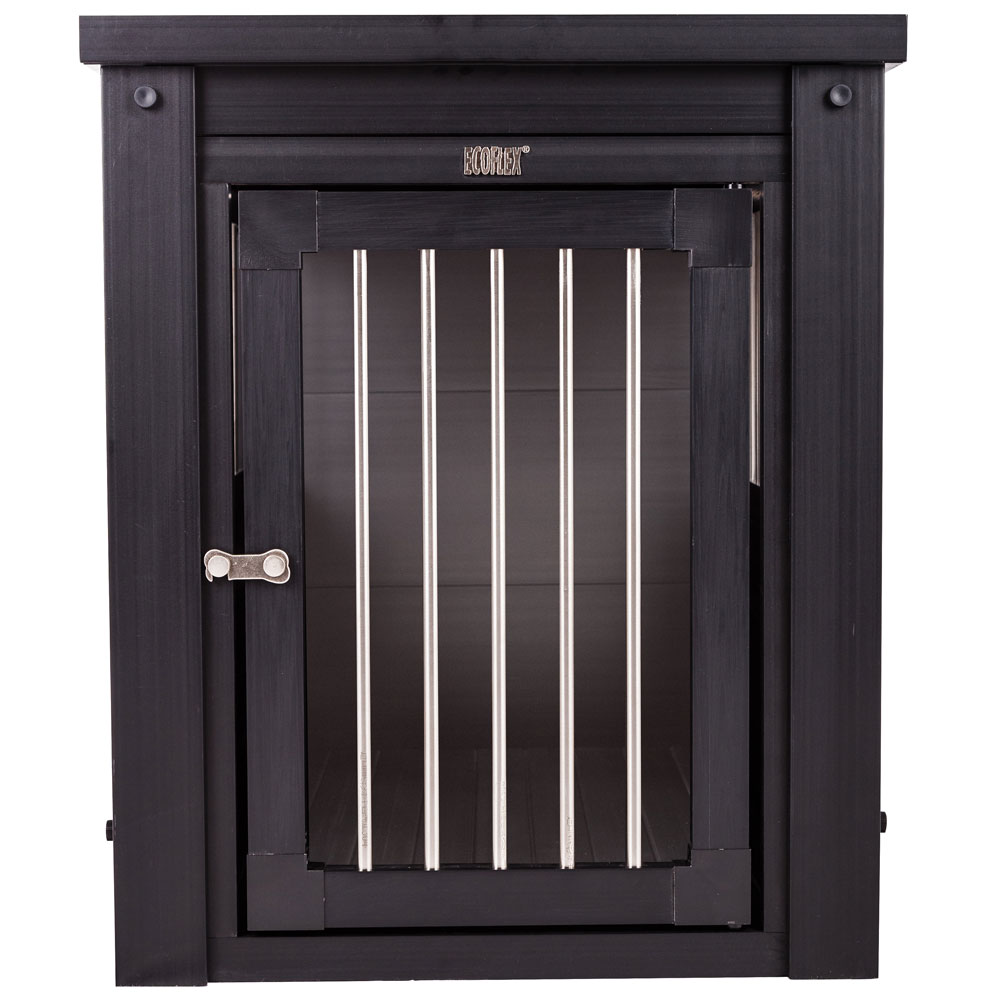
Successful housetraining is not just about taking the puppy out; it is also about preventing unsupervised accidents. A crate, playpen, or a small easy-to-clean area helps the owner notice early signs such as circling, sniffing the floor, or suddenly stopping activity. If an accident happens, the priority is to clean it thoroughly with an enzymatic cleaner so the smell does not pull the puppy back to the same spot. Punishment after the fact is usually counterproductive, because it can make the puppy anxious instead of more predictable.
What to do when accidents happen
Accidents are part of the learning process, especially in the first weeks. The best response is to review what led to the mistake: Was the break too long? Did the puppy drink more water than expected? Was the dog left in too large an area without supervision? If the accident is caught in the moment, a short interruption followed by an immediate trip to the toilet area is more useful than anger. If the accident is already over, clean quietly and adjust the routine rather than turning it into a conflict.
- Interrupt only if the puppy is caught in the act
- Clean the area thoroughly and remove odor
- Shorten the gap between toilet breaks if needed
- Reduce freedom again if mistakes become frequent
Signs the training is working
Progress usually appears in small steps rather than all at once. The puppy may start heading toward the door, finishing faster after the cue, or having fewer indoor accidents over time. Once that pattern is steady, the owner can slowly expand the puppy’s freedom in the home. If the puppy starts slipping again, the schedule is usually too loose, and it is better to return to a simpler routine for a while. For most families, housetraining is a multi-week habit-building process, not a one-day lesson.
When to ask a veterinarian for help
If a puppy is still having frequent accidents despite a consistent schedule, or if urination changes suddenly, a health issue should be ruled out first. Signs such as discomfort, unusual posture, low energy, or major changes in thirst are worth checking. Training works best when the dog is healthy enough to learn from the routine, so medical concerns should not be ignored. In that sense, good housetraining is part behavior work and part responsible care.
In the end, puppy potty training is about creating a routine that the dog can repeat and the household can maintain. Clear timing, close supervision, and immediate rewards give the puppy the easiest path to success. When owners stay patient and consistent, the process becomes much easier to manage day by day.