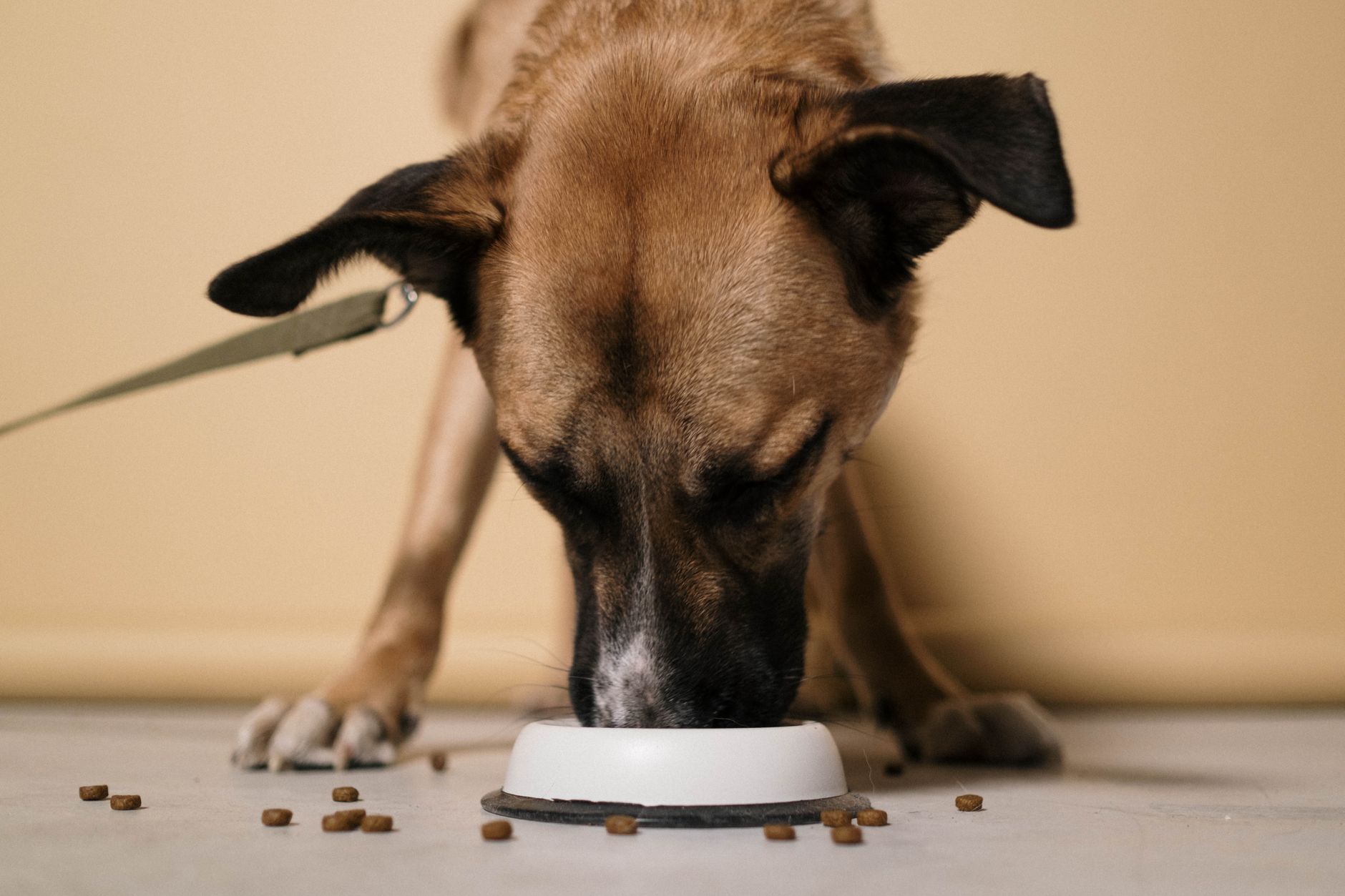
Feeding a senior pet is not simply a matter of switching to a bag labeled “senior.” Older dogs and cats can have very different calorie needs depending on body condition, muscle mass, activity, dental comfort, and diagnosed disease. Dogs may need fewer calories as activity declines, while very old cats may need more calorie-dense, palatable, and digestible food when weight and muscle begin to fall. Veterinary nutrition guidance therefore focuses on the individual animal rather than age alone, with regular review of food intake, body weight, body condition, and muscle condition.
Start with body condition, not the label
Two pets of the same age may need opposite feeding strategies. An older dog who spends more time resting may need a lower-calorie, appropriately fiber-containing complete diet, while a cat losing weight may need smaller, more frequent meals with higher calorie density and good palatability. A senior formula can be useful in some cases, but it is not automatically better for every healthy older pet. Owners can weigh the pet weekly under similar conditions, feel the ribs and spine, and watch for changes in the hips, shoulders, and thighs. A written record of meals, treats, water intake, and activity gives the veterinarian a clearer picture than a single weight measurement.
- Track whether weight changes continue for more than one measurement.
- Check for increasing fat cover or thinning muscles.
- Include treats, toppers, and table scraps in the daily food record.
Protein should be assessed, not automatically restricted
Many owners assume that every senior dog or cat needs a low-protein diet, but healthy aging alone is not a reason to impose protein restriction. Adequate, digestible protein supports the maintenance of lean muscle, which becomes especially important when a pet is losing weight or showing reduced mobility. If kidney, liver, or another medical condition has been diagnosed, the balance of protein, phosphorus, sodium, and calories may need to change according to laboratory findings and veterinary advice. A general senior diet should not be treated as a substitute for a therapeutic diet. Any food transition should be gradual, usually by mixing increasing amounts of the new food over about a week, while monitoring appetite and stool quality.
Hydration, palatability, and feeding routine matter
Older pets may eat less because of dental disease, reduced smell, nausea, stress, or difficulty chewing. Cats may encounter more water by offering wet food, placing clean bowls in several quiet locations, or using a fountain that is easy to clean; dogs may drink more consistently when water is available near resting and feeding areas. Slightly warming food can increase aroma, but it should be tested carefully so it is not hot. Human leftovers, seasoned broths, milk, and salty foods should not replace a complete diet. Persistent refusal to eat, repeated vomiting, diarrhea, major thirst changes, or altered urination warrants prompt veterinary advice rather than repeated changes at home.
Use supplements only for a defined reason
Fish oil, joint products, probiotics, vitamins, and antioxidant blends may be discussed in senior pet care, but suitability depends on the animal’s diet, medical history, medications, and nutritional goal. Research on individual nutrients does not mean every pet will respond in the same way, and a larger dose is not automatically more appropriate. Owners should check the species listed on the product, the amount of active ingredients, storage instructions, and whether multiple products duplicate fat-soluble vitamins or minerals. Pets with chronic disease, appetite changes, upcoming surgery, or ongoing medication should be reviewed by a veterinarian before any supplement is introduced. A supplement should complement a sound feeding plan, not distract from an unexplained decline.
Veterinary checks guide nutrition decisions
Senior care includes more than selecting food. Dental assessment, weight tracking, body and muscle condition scoring, blood testing, and urinalysis can reveal issues that are not obvious at the food bowl. Changes such as progressive weight loss, increased thirst, increased urination, bad breath, fluctuating appetite, stiffness, or altered sleep patterns deserve attention. Before an appointment, owners can record the pet’s diet, portion sizes, treats, water intake, stool, urination, and the date each change began. Nutritional assessment generally starts with what the pet eats and how much, then expands to laboratory testing or a therapeutic plan when risk factors are present.
Build a simple home monitoring routine
The most useful senior-pet wellness practice is consistent observation that can be shared with the veterinary team. Feed measured portions at predictable times, weigh the main food and treats when possible, and record body weight weekly or according to veterinary instructions. If a pet has a chronic condition, follow the recommended schedule for water, urination, medication, and follow-up checks. Do not hide a declining appetite with large amounts of treats, stop prescribed medication, or replace meals with a single homemade ingredient without professional guidance. This article is general information only; calorie targets, diet changes, and supplements should be individualized by a veterinarian.