When a Dog Ear Smells Bad and Gets Scratched Often
A bad odor and repeated scratching can point to ear canal inflammation, but they do not confirm it by themselves. In dogs, smell is often the result of trapped moisture, earwax buildup, yeast, bacteria, mites, or even a foreign body in the ear, and several of these can appear together. The key for owners is to notice the pattern: smell plus itchiness, head shaking, redness, or discharge deserves attention rather than guesswork.
Common Causes Behind the Odor
Veterinary sources describe earwax buildup, yeast overgrowth, bacterial infection, ear mites, and damp ears after bathing or swimming as common causes of odor. Yeast and bacterial problems are especially likely when the ear stays warm and humid, while ear mites often come with intense itching and dark debris. A dog with long ears, narrow ear canals, allergies, or frequent water exposure tends to be at higher risk, so the same smell can come from different underlying problems.
What the Ear Looks and Feels Like Matters
The appearance of the ear can offer clues before a clinic visit. Dark, wet, or sticky debris often suggests wax or yeast, while brown-black crusts and strong irritation can raise suspicion for mites. Redness, swelling, pain when touched, or a sudden strong odor may fit infection more closely. If the dog is tilting the head, losing balance, or the ear is painful enough that cleaning is difficult, the problem may be more serious than simple dirt.
What Owners Should Not Do at Home
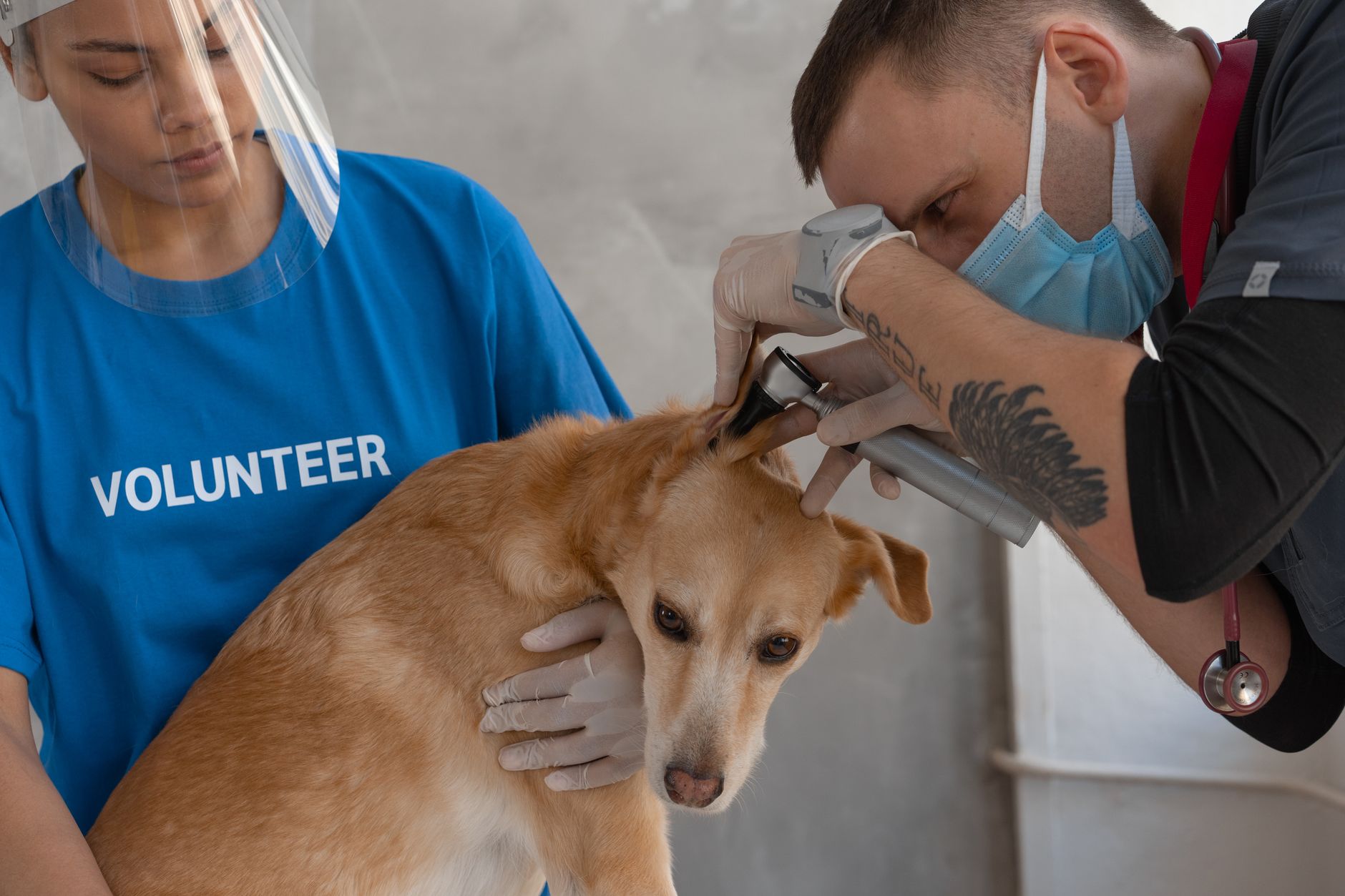
It is tempting to clean the ear repeatedly or use household products, but that can make the canal more irritated. The safer approach is to keep the ear dry, avoid inserting cotton swabs deep into the canal, and schedule a veterinary exam if the smell keeps returning. A vet can look inside the ear, identify whether the issue is mites, yeast, bacteria, or another cause, and choose the right treatment based on the exam rather than appearance alone.
When the Situation Needs Prompt Attention
Not every smelly ear is an emergency, but some signs should move the visit sooner rather than later. Persistent head shaking, clear pain, pus, bleeding, a very foul smell, marked redness, or balance problems are all stronger warning signs. Puppies, dogs with repeated ear problems, and dogs with allergies often need closer monitoring because ear problems can recur if the underlying trigger is missed.
A Practical Rule for Dog Owners
A useful rule is simple: smell alone is a clue, not a diagnosis. When smell appears together with itching, discharge, or head shaking, ear canal infection becomes more likely and a vet check is the responsible next step. Early attention often makes the exam simpler and helps prevent the problem from being overlooked for too long.