Winter care for an older dog is not simply a matter of adding a coat. Cold air, damp floors, reduced daylight, and slippery surfaces can make everyday movements harder for senior dogs, particularly those that are small, thin-coated, underweight, or living with an existing health condition. A dog that takes longer to stand, avoids stairs, or walks differently deserves careful observation rather than being dismissed as “just getting old.” If there is persistent shivering, unusual drowsiness, poor coordination, collapse, severe pain, or an inability to stand, contact a veterinarian promptly; urgent signs require immediate veterinary care.
Why older dogs need extra winter attention
Cold weather does not by itself establish the cause of a joint problem, but it can make stiffness and discomfort more noticeable. A senior dog may need more time to rise in the morning, hesitate before walking on a cold floor, or become less willing to go outside in rain and wind. Similar signs can also occur with muscle loss, neurological conditions, injuries, or other medical problems, so they cannot be interpreted as a diagnosis at home. Keep a simple record of rising, walking, appetite, sleep, toileting, and stair use, then share specific observations with the veterinary team.
- Pay closer attention to small, lean, short-coated, very old, or chronically ill dogs.
- Compare behavior across dry, wet, windy, and unusually cold days.
- Never give human pain medicine or start a supplement without veterinary guidance.
Create a warm and safe resting area
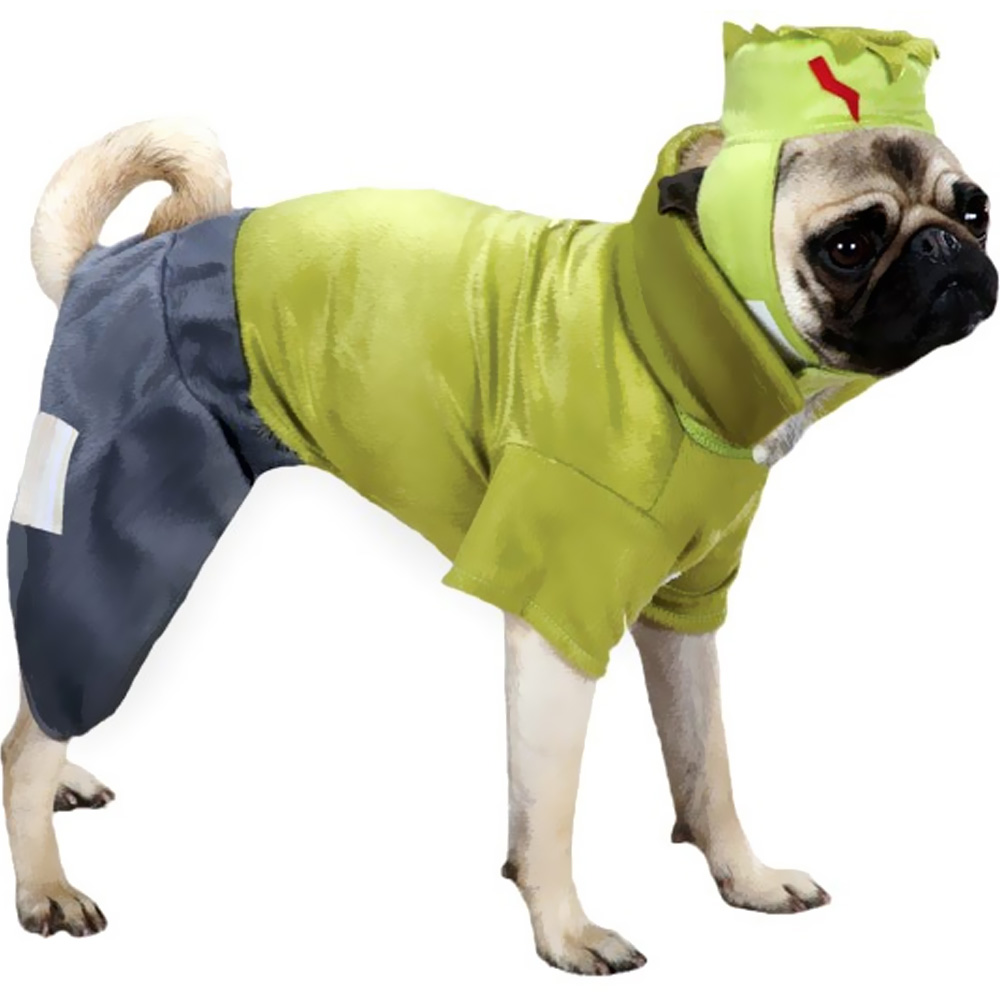
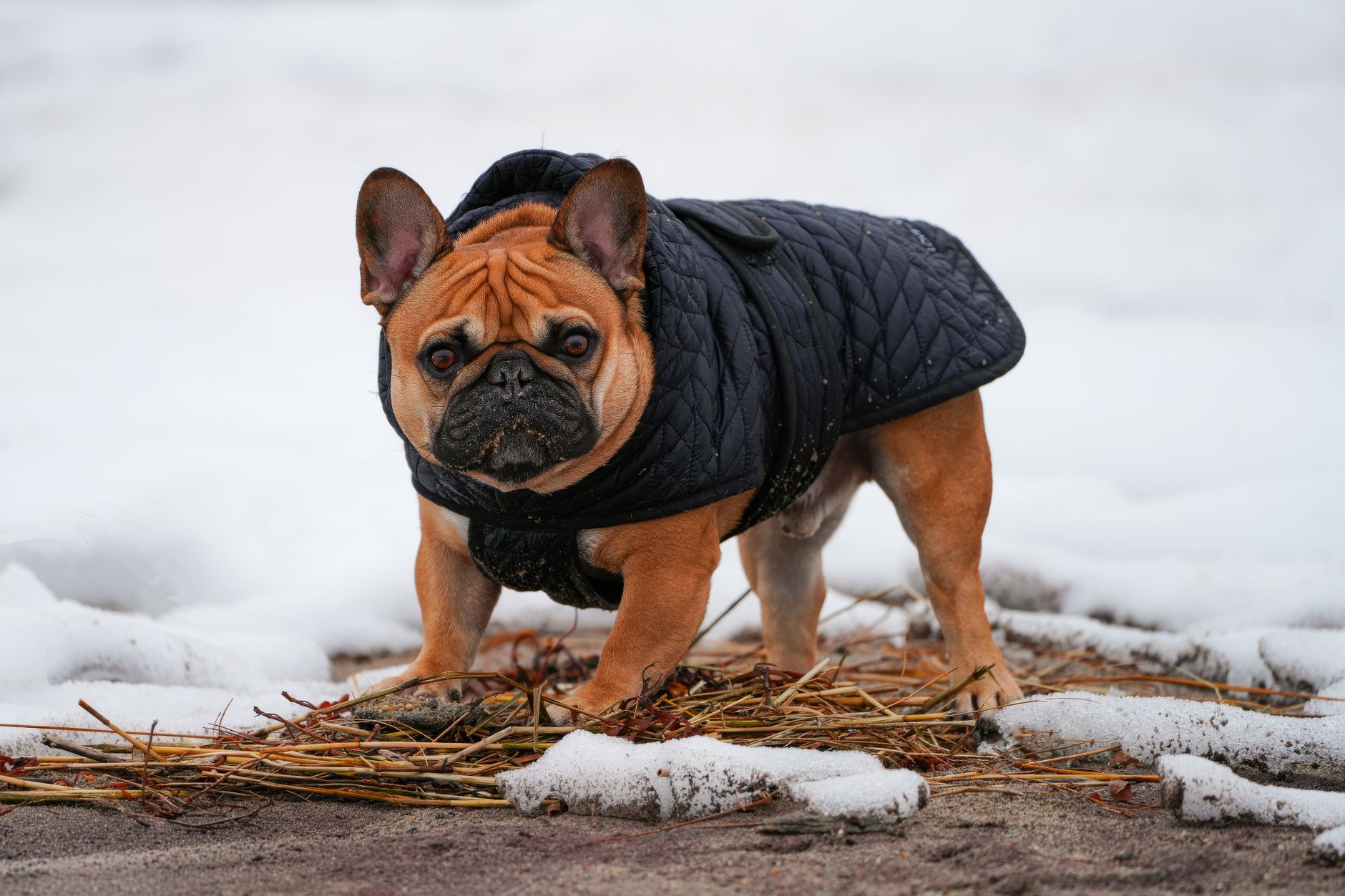
Place the bed in a dry, draft-free part of the home, away from doors and windows that open frequently. A supportive, insulating bed can separate the dog from cold flooring while still allowing easy turning and standing. Clothing should fit comfortably around the chest, shoulders, armpits, and abdomen; it must not interfere with breathing, toileting, walking, or grooming. If the coat becomes wet, remove it and dry the dog thoroughly. Heating pads, hot-water bottles, and heat packs can cause burns or overheating, so they should never sit directly against the skin or remain accessible to a dog that may chew them.
The goal is a stable, comfortable room rather than excessive heat. Give the dog enough space to move away from a heat source, and secure electrical cords and warming products out of reach. A soft night-light near the bed can make it easier for a dog with limited vision or slow movement to navigate after dark. Keep bedding dry and arranged so the dog can change position without becoming trapped beneath heavy blankets. Watch for panting, restlessness, or repeated attempts to leave the warm area, which may indicate that the setup is too hot or uncomfortable.
Reduce slipping around the home
Many senior dogs struggle more on indoor tile, polished wood, or wet entryways than on the walk itself. Reduced hind-leg strength, long nails, thick paw fur, and joint stiffness can make turning, stopping, and standing risky. Use secure non-slip runners between the bed, water bowl, food area, and door. Avoid loose rugs that bunch up under the feet, and dry wet floors as soon as possible. Ramps or steps may help with cars, porches, and furniture, but introduce them gradually and supervise until the dog can use them confidently.
- Keep food, water, and bedding on the same level when possible.
- Inspect paws, nails, and skin regularly; grooming should be gentle and appropriate for the individual dog.
- Sudden repeated slipping, dragging a limb, inability to stand, or strong resistance to touch warrants prompt veterinary advice.
Plan short, regular winter activity
Older dogs generally still benefit from movement, but winter outings should be adapted to temperature, wind, rain, coat type, body condition, and medical history. Several short walks may be more manageable than one long excursion, especially on wet or icy surfaces. Before going outside, allow a few minutes of slow indoor walking; after returning, dry the paws, belly, and coat carefully. If the weather is unsuitable, indoor scent games, slow food searches, and calm interactive play on a non-slip floor can provide gentle activity without requiring a long outdoor trip.
Watch for limping, repeated stopping, unusual panting, reluctance to continue, or a clear change in gait. Do not extend a walk because the dog appears excited at the beginning, and do not force a fixed distance. Non-weight-bearing activities such as swimming may suit some dogs, but water temperature, access, supervision, and the dog’s medical status should be assessed by a veterinarian or rehabilitation professional. Any new exercise plan should be introduced gradually, with attention to how the dog moves later that day and the following morning.
Recognize cold-related warning signs
A dog that briefly curls up or seeks a warmer spot may simply be uncomfortable, but persistent shivering, marked sleepiness, confusion, poor coordination, pale gums, collapse, or loss of consciousness can indicate a serious cold emergency. The RSPCA notes that older dogs and other higher-risk groups are more vulnerable to hypothermia in freezing conditions. If hypothermia is suspected, move the dog to a warm, dry place, wrap them in blankets, avoid rapid heating or direct contact with hot objects, and contact a veterinarian immediately. Do not wait for the dog to recover on its own or give medication without professional instructions.
Joint-related changes also deserve attention. Slower rising, hesitation on stairs, shorter steps, licking one area, or reluctance to be touched should be recorded rather than self-diagnosed. These signs may have several possible causes, including orthopedic, muscular, neurological, or general health concerns. If the change is sudden, worsening, associated with appetite loss, or accompanied by obvious pain, arrange a veterinary examination. A veterinarian may discuss weight management, environmental changes, rehabilitation, activity planning, or prescription treatment after assessing the individual dog.
Keep a practical winter care log
A short daily log can make subtle changes easier to recognize. Record the weather, walk duration, time needed to stand, steadiness, appetite, water intake, sleep, toileting, and any slipping. Short videos from the side and behind can help a veterinarian compare normal movement with an abnormal episode, but never make a dog climb stairs or walk on unsafe surfaces merely to record footage. When introducing a coat, mat, bed, ramp, or indoor activity, note whether the dog uses it willingly and whether rubbing, overheating, anxiety, or restricted movement appears.
A useful winter plan is individual rather than complicated. A dog that tolerated cold well in earlier years may need shorter outings and a different bed location after becoming a senior. Dogs with chronic conditions or current treatment should have seasonal changes discussed with their regular veterinary team. Warmth, traction, controlled activity, and timely medical attention work together; careful observations from the caregiver give the veterinarian better information for safe decisions. When a symptom or product raises concern, seek veterinary advice instead of relying on a home diagnosis.
This article provides general pet health education for reference only. If your pet shows any discomfort or unusual symptoms, please consult a veterinarian or seek veterinary care immediately.