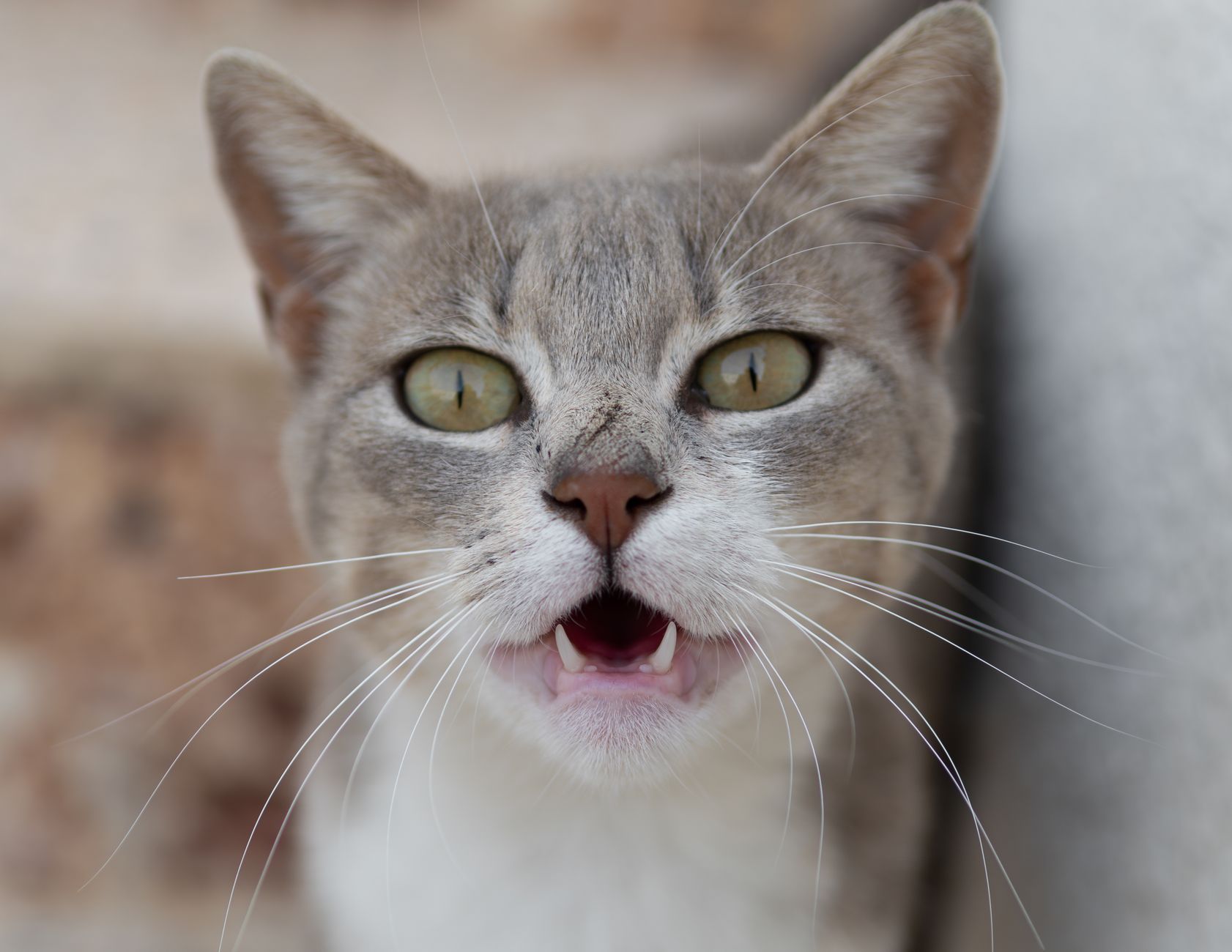
For many cat owners, the first time they see their cat breathing with an open mouth, they assume it is normal panting like a dog after exercise. In cats, however, this is a very different and often worrying sign. A healthy cat at rest generally breathes quietly through the nose with the mouth closed, and the chest and abdomen rise and fall in a calm, regular rhythm. Panting with the mouth open is not a usual way for cats to cool down, so when it appears without an obvious short burst of intense play, it can mean the body is under significant stress. This article outlines why open-mouth breathing is considered a red flag, the main causes behind it, and how owners can respond. All content is intended for general education only; in any emergency, a licensed veterinarian is the best source of advice.
How normal feline breathing differs from dogs
Understanding what “normal” looks like is key before judging what is dangerous. At rest, most adult cats have a respiratory rate somewhere in the low double digits per minute, with smooth, unobtrusive breathing and no loud sounds. They do not rely on sticking their tongue out and panting to regulate body temperature the way dogs commonly do. Instead, cats use behaviors like grooming, seeking shade or cooler surfaces, and limiting activity to manage heat. Because of this, open-mouth breathing in a resting cat is considered atypical. When the mouth is open, the breaths are fast and shallow, and the chest or abdomen moves markedly, owners should view this as a warning rather than a quirky behavior. The more clearly an owner can distinguish normal quiet breathing from labored or exaggerated respiratory patterns, the sooner they can notice early changes and seek help.
Common medical causes behind open-mouth breathing
Open-mouth breathing can appear in a range of medical situations, some of which are urgent. One major group involves the heart and lungs. When the heart is failing and fluid builds up in or around the lungs, the cat may feel as if it is drowning and struggle to draw enough air, leading to rapid, open-mouth breaths. Severe asthma flare-ups, pneumonia, and fluid in the chest cavity can also narrow or compress the airways, leaving the cat in a state of oxygen shortage. In some cases, blood clots associated with heart disease can cause intense pain and distress; the cat may cry out, become weak in the hind legs and start panting. There are also upper airway issues such as severe nasal blockage, masses in the nose or throat, or advanced infections, which force the animal to breathe through the mouth instead of the nose. While only a veterinarian can determine the exact cause through examination, imaging and lab tests, owners benefit from knowing that open-mouth breathing is often linked to heart, lung or airway strain rather than simple tiredness.
Red-flag signs that demand urgent attention
Judging how serious open-mouth breathing is requires looking at the whole picture rather than a single snapshot. Certain features tend to point toward an emergency. One is pronounced effort: the cat’s belly may pump forcefully with each breath, or the chest may lift high as if it is fighting for every bit of air. Another is posture. Many cats with respiratory distress avoid lying flat; instead, they crouch, extend the neck forward and brace the elbows away from the body in order to open the chest. Color changes are also critical. If the tongue, gums or inner lips appear bluish, gray, very pale or muddy instead of the usual healthy pink, that suggests poor oxygenation. Additional warning signs include sudden weakness, collapse, hind leg paralysis, or a dramatic change in behavior such as hiding, refusing food or appearing extremely dull. When open-mouth breathing lasts longer than a brief moment, recurs at rest, or appears with any of these red flags, emergency veterinary assessment is strongly recommended rather than waiting to see if it passes.
The role of stress, heat and environment
Not every episode of open-mouth breathing stems from serious organ disease; stress and heat can also play a role. After a session of intense play, chasing toys or running in a small apartment, some cats may briefly pant with an open mouth and then settle quickly once they rest. Similarly, during very hot weather, in poorly ventilated rooms or cars without climate control, cats can become overheated. In those circumstances, short-lived panting may be the body’s attempt to cope with heat. High emotional stress is another factor. Being transported to a new home, visiting the veterinary clinic, meeting unfamiliar animals or people, or being restrained for grooming can all trigger higher heart and breathing rates, occasionally with open-mouth breathing in very anxious individuals. Even in these milder contexts, it is important to watch duration, frequency and any additional signs such as wheezing, coughing, poor appetite or hiding. If panting happens easily, lasts longer over time, or becomes more intense, underlying heart or lung issues could be present and deserve a veterinary check.
Safe steps owners can take at home
When a cat starts breathing with an open mouth, an owner’s first goal should be to ease the situation, not to attempt home medical treatments. Practical steps include reducing movement by allowing the cat to stay in one quiet room, turning down loud music or TV, and avoiding further play or handling. Ensuring good ventilation and a reasonable temperature helps; gentle cooling such as providing a cool tile or shaded spot is preferable to sudden exposure to very cold water or strong air conditioning, which can be stressful. It is useful to observe the breathing rate, the pattern of chest and belly movement, and the color of the tongue and gums, and to note when the signs started and what was happening beforehand. These observations can assist the veterinarian later in understanding triggers. It is important to remember that homes lack oxygen support, monitoring devices and diagnostic tools, so any advice in articles is by nature limited. If the cat shows clear signs of breathing difficulty, owners are encouraged to contact a veterinary clinic or emergency service promptly rather than relying on home measures.
When to seek veterinary or emergency care
Many emergency-focused veterinarians treat open-mouth breathing in a resting cat as an urgent symptom, especially when combined with abnormal posture, color changes or obvious weakness. If an owner is unsure whether the situation is serious, phoning a nearby clinic to describe the signs can help determine how quickly to come in. Before transport, placing the cat in a secure carrier can minimize panic and reduce the risk of sudden running or injury. During the trip, keeping the carrier level, avoiding loud talking and limiting visual stimuli may help the cat remain calmer. On arrival, it is useful to tell staff immediately that the cat has been breathing with an open mouth so that they can triage appropriately. This article is not meant to give a diagnosis or promise any outcome; instead, it provides general guidance so owners can recognize potential emergencies more quickly. Decisions about tests, treatments and prognosis should always be made in consultation with a licensed veterinarian who has examined the animal.
Long-term monitoring and preventative mindset
Even if a particular episode of open-mouth breathing turns out, after assessment, to be linked to a short-term trigger, owners can use the experience to build better long-term habits. One helpful practice is learning to count a resting breathing rate regularly when the cat is asleep or calmly lying down. Over time, this creates a mental picture of what is normal for that individual, making it easier to spot gradual changes. Maintaining a comfortable living environment with reasonable temperature and airflow, providing spaces for the cat to retreat from household noise, and keeping activity sessions balanced can all reduce physical and emotional stress. Routine health check-ups, including listening to the heart and lungs and, when indicated, imaging or blood work, can also reveal early heart or respiratory issues before dramatic signs appear. For more detailed discussion of specific diseases, treatments or prognosis, owners should speak directly with their veterinarian, as each cat’s age, breed, lifestyle and medical history will shape the most appropriate care plan.