Why powerful chewers destroy toys so fast
Large dogs and intense chewers usually are not being “naughty”; they simply have strong jaws, big mouths, and a repetitive chewing style that can break ordinary toys in minutes. For owners, the goal is not to find a toy that looks indestructible, but one that can tolerate repeated chewing without breaking into risky pieces. Veterinary guidance generally emphasizes that durable does not mean unbreakable, so the safest choice depends on bite style, body size, and how the toy will be used.
The most common durable materials
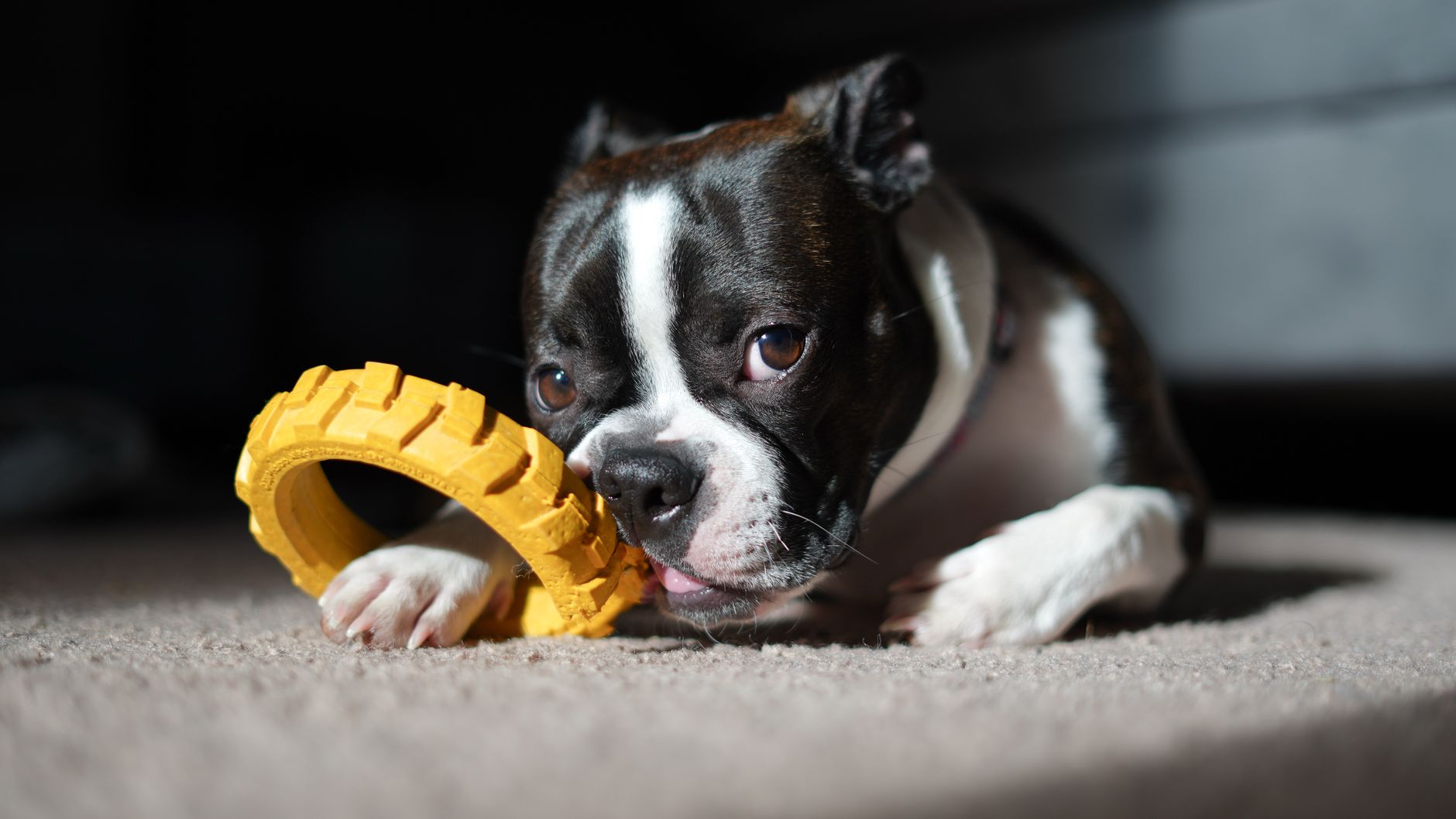
Common chew toy materials usually fall into hard rubber, nylon, rope, and mixed-material designs. Hard rubber often has some give, which makes it useful for dogs that chew, chase, or enjoy food-stuffed toys. Nylon tends to be firmer and is better suited to adult dogs that grind or gnaw rather than aggressively crush and swallow pieces. Rope toys are best treated as interactive tug toys; once the strands start fraying, they should be retired quickly.
Hard rubber, nylon, and rope are not the same
Hard rubber offers a balance of bounce and chew feel, which many dogs find engaging, especially when the toy can hold treats. The downside is that a toy that is too hard or has sharp edges can put extra stress on teeth. Nylon is valued for durability and shape retention, but it can be too rigid for older dogs or dogs with dental sensitivity. Rope toys work well for short supervised play sessions, yet they are not ideal for unsupervised chewing because loose fibers can be swallowed.
Four things to check before buying
First, size matters: a toy that is too small can be swallowed, while one that is too large may not interest the dog. Second, check firmness; if the surface is completely rigid with no give, it deserves extra caution. Third, look at the surface design, because grooves and food-holding shapes can extend play time but may also trap dirt. Fourth, consider how easily the toy can be cleaned, since saliva, dust, and food residue build up quickly with chew products.
When a chew toy should be avoided
Thin plastic, low-grade foam, shaggy fabrics, and materials that shed or flake are poor choices for dogs that shred toys aggressively. Dogs with dental problems, gum pain, or oral sensitivity should not be given the hardest toys by default, because chewing may become uncomfortable or even lead to dental injury. Puppies in the teething stage usually need relief and gentle chewing, not a rock-hard toy. If the owner is unsure, starting with a softer rubber option and watching the dog’s reaction is the safer route.
Making durable toys last longer
How a toy is used often matters more than the material itself. A good routine is to treat chew toys as scheduled items: available for play, then put away so the dog does not gnaw on them all day. Food-stuffed play can add interest and slow the chewing pace. After each session, owners should look for cracks, missing chunks, frayed strings, or changes in shape. For a dog that destroys everything, the real strategy is not chasing a toy that never breaks, but rotating several safe options with different difficulty levels.
The real goal is safety, not a mythical forever toy
For serious chewers, the best toy is not the one with the boldest marketing claim, but the one with the right material, size, cleanability, and tooth-friendly feel. Owners who first observe whether a dog likes to shred, grind, tug, or swallow pieces can usually avoid the most common mistakes. If chewing suddenly changes, or if there is bleeding, refusal to chew, or unusual swallowing behavior, a veterinary oral check is the right next step. Durability is useful, but safety and fit matter more than hardness alone.