Soft stool in a kitten deserves careful observation rather than an immediate search for home medication. A developing digestive system may react to weaning, a sudden food change, too many treats, stress, or intestinal parasites, while vomiting and diarrhea can cause dehydration and weakness more quickly in young animals than in adult cats. The most useful first step is to assess stool appearance together with appetite, water intake, energy, weight, and urination. This guide is for general information only; very young kittens, unvaccinated kittens, and kittens with worsening signs should be assessed by a veterinarian.
How to tell soft stool from diarrhea
Soft stool usually keeps some shape but contains more moisture and may stick to the litter or fur around the tail. Diarrhea is more often mushy or watery, happens repeatedly, or causes accidents outside the litter box. One mildly soft bowel movement in a kitten that is eating, drinking, playing, and behaving normally may be monitored closely, but stool texture alone cannot confirm that the situation is safe. Blood or black tarry stool, repeated vomiting, marked lethargy, refusal to eat or drink, abdominal pain, weakness, trouble standing, or suspected toxin or foreign-body ingestion warrants prompt veterinary contact.
- Record the number of bowel movements, color, consistency, odor, mucus, and blood.
- Monitor appetite, water intake, activity, body weight, and urine output.
- Photograph the stool or bring a fresh sample to the veterinary appointment.
Common causes in young kittens
Dietary changes are a frequent trigger, including moving to a new home, changing formula or food, increasing canned food too quickly, or offering a portion that is too large. Kittens may also react to dairy products, greasy table food, unsuitable treats, or unfamiliar meat. Parasites such as roundworms, hookworms, and coccidia are important possibilities in kittens, even when the kitten still appears bright and active. Stress from transport, a new household, crowding, or a multi-cat environment can also alter bowel habits, while infectious disease may need consideration when soft stool is persistent or accompanied by other signs.
After the kitten is stable, food changes are usually best made gradually by mixing increasing amounts of the new diet with the old one, according to veterinary guidance. The veterinarian should also know about recent deworming, vaccination, medication, supplements, and contact with other animals. Do not repeat a dewormer or use an adult-cat or human medication without professional instructions, because the correct product and dose depend on the kitten’s age and weight.
Safe steps while monitoring at home
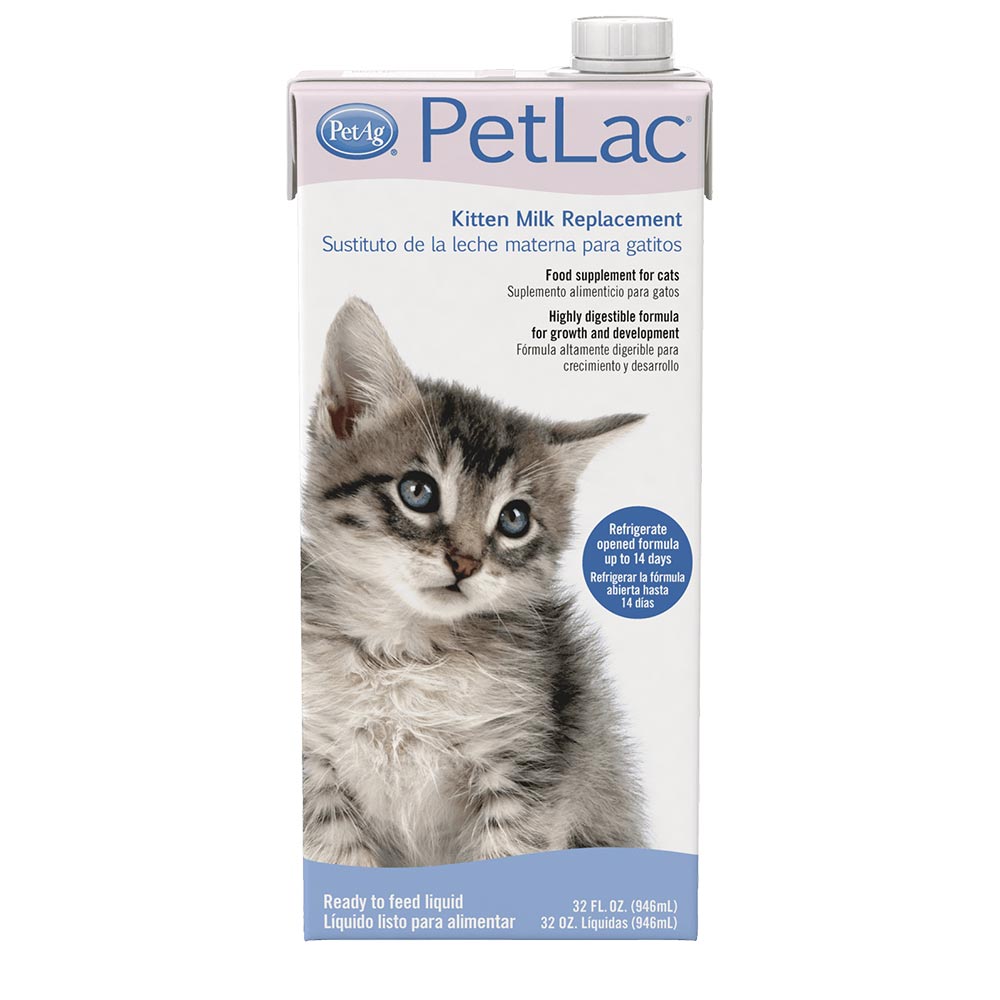
If the kitten has mild soft stool but continues to eat, drink, and act normally, keep the diet consistent and use a complete food formulated for kittens. Avoid introducing treats, supplements, table scraps, or several new foods at once. Long periods of fasting are not appropriate for a growing kitten unless a veterinarian specifically directs it; feeding amounts and frequency should follow the food label and professional advice. Keep fresh water available, and never substitute cow’s milk for a properly formulated kitten milk replacer.
Gently clean stool from the hindquarters with lukewarm water and soft gauze, then pat the area dry rather than rubbing repeatedly. Clean the litter box regularly, and in multi-cat homes consider separate bowls, litter areas, and resting spaces while the cause is unclear. Wash hands after handling stool and before touching another cat. These measures support hygiene and observation, but they do not replace fecal testing or veterinary care when symptoms continue.
When a kitten should see a veterinarian
Kittens deserve a lower threshold for veterinary evaluation than healthy adult cats. Contact a veterinarian if soft stool or diarrhea lasts beyond a day, especially when appetite falls, energy decreases, vomiting occurs, or the kitten is not gaining weight or begins to lose weight. Watery or frequent diarrhea, blood in the stool, signs of dehydration, a very young age, incomplete vaccination, or a suspected toxin or foreign object should prompt faster action rather than prolonged home observation. A veterinarian may recommend a physical examination, fecal testing, parasite testing, hydration assessment, or other tests based on the kitten’s history.
Before the visit, write down when the stool changed, how often it occurs, what the kitten has eaten, whether food was changed, when deworming and vaccinations were given, and whether vomiting or unusual behavior is present. Pale or tacky gums, dullness, weakness, reduced responsiveness, or difficulty walking are more concerning than stool softness alone. If the kitten refuses food and water or deteriorates quickly, do not wait for a routine appointment.
Feeding and food-transition principles
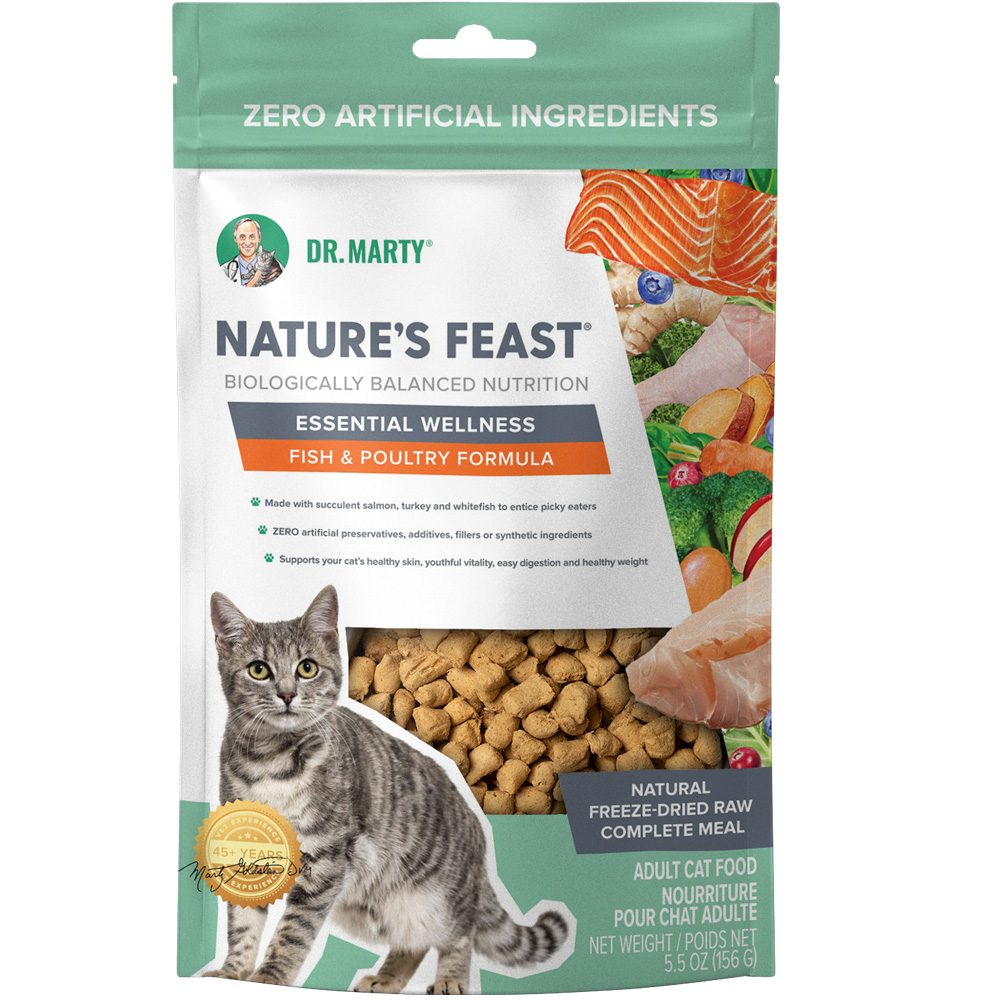
Growing kittens need a complete and balanced diet appropriate for their life stage. Dry food, wet food, or a combination may be suitable when the product meets kitten nutritional needs and the feeding plan fits the kitten’s age, weight, and health. When changing diets, increase the new food gradually over several days while watching stool, appetite, and weight. If soft stool repeatedly follows a particular food, stop adding new ingredients and discuss the packaging, ingredient list, portion size, and feeding schedule with a veterinarian rather than cycling through multiple diets.
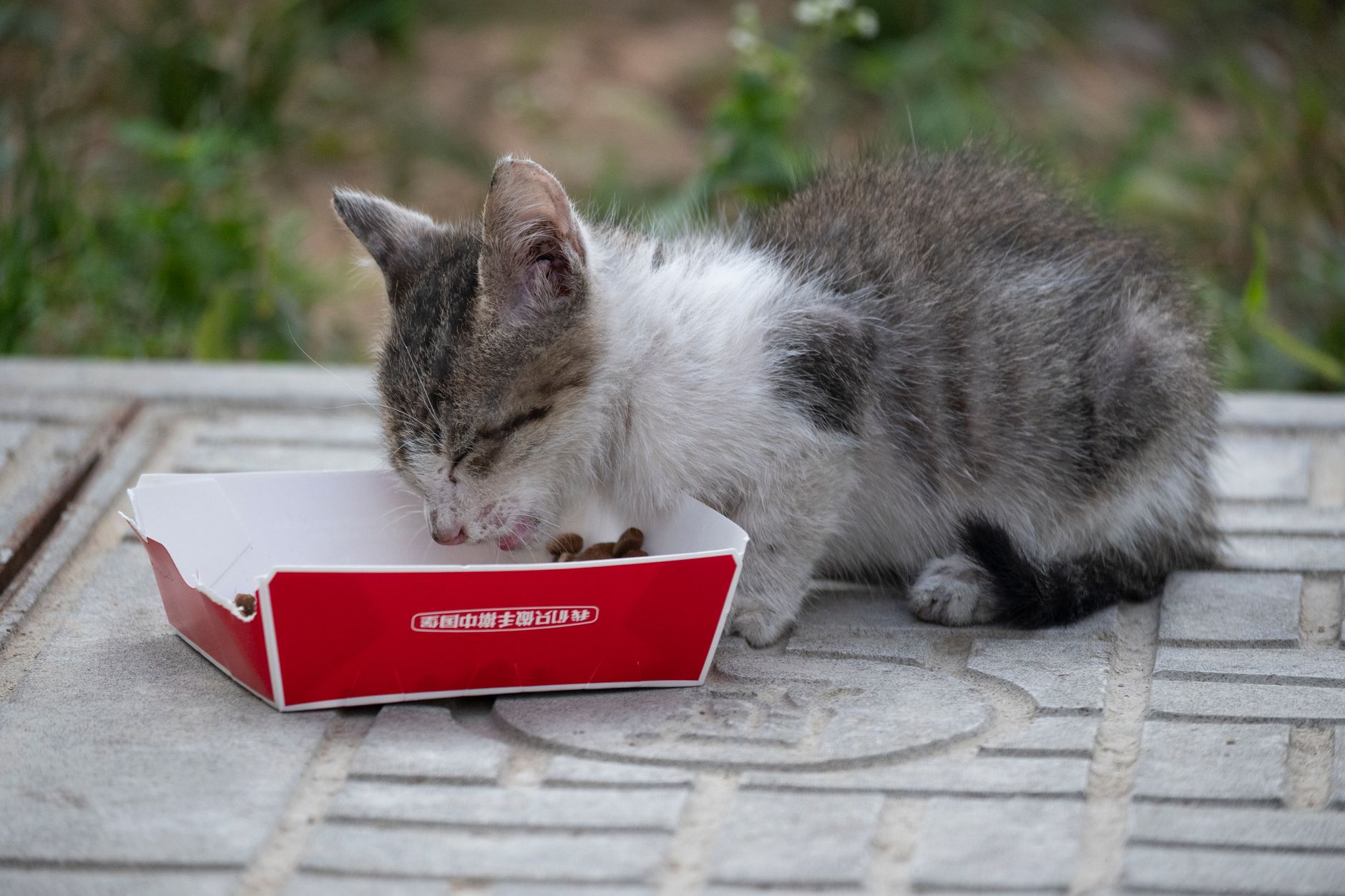
Regular, measured meals are preferable to unrestricted extras for a kitten with a sensitive stomach. In multi-cat households, check that each kitten receives the intended portion, because competition, fast eating, and access to adult food can complicate the picture. A daily weight log and stool record are more informative than a single bowel movement. Failure to gain weight over several days, or any loss of weight, should be discussed with a veterinarian.
What to prepare for the veterinary visit
A clear history can make the evaluation more efficient. Bring a fresh stool sample if possible, along with the kitten’s feeding schedule, food packaging, treats, supplements, medication names, deworming dates, vaccination history, and information about the source of the kitten. Tell the veterinarian whether the kitten came from a shelter, breeder, rescue setting, or multi-cat household, and mention any recent travel or environmental change. If any human medicine, anti-diarrheal product, probiotic, or leftover pet medication was given, provide the exact name and timing.
The veterinarian may recommend fecal testing, parasite treatment, dietary changes, fluid support, or additional evaluation depending on the findings. Follow the prescribed plan and do not share medication between cats. Even if the stool becomes more formed, do not stop a prescribed course or repeat treatment without guidance. Persistent watery stool, vomiting, blood, worsening lethargy, or refusal to eat during treatment should be reported promptly rather than saved for the next scheduled checkup.
Kitten soft stool may be a short-lived response to food or environmental change, but it can also signal parasites, infection, inadequate intake, or another digestive problem. Careful records, a consistent kitten diet, clean water, good litter hygiene, and timely veterinary communication are safer than relying on internet remedies. The combination of stool changes and the kitten’s overall condition should guide the decision, with a fresh sample and complete history ready for professional assessment.