Many owners of large breeds hear repeated warnings about hip problems but are not always clear why their dogs are at higher risk or what they can realistically do in daily life. Hip dysplasia and related hip issues are among the most common orthopedic problems in medium and large dogs, affecting mobility and overall quality of life. Veterinary sources describe hip dysplasia as a developmental condition with both genetic and environmental components, where the hip joint becomes loose or poorly shaped over time. Because early changes inside the joint may not be obvious from the outside, owners often notice issues only when the dog starts swaying, avoiding jumps, or tiring quickly. This article focuses on why large dogs are more prone to hip problems and highlights practical prevention points owners can discuss with their veterinarian.
Why large breeds are more prone to hip problems
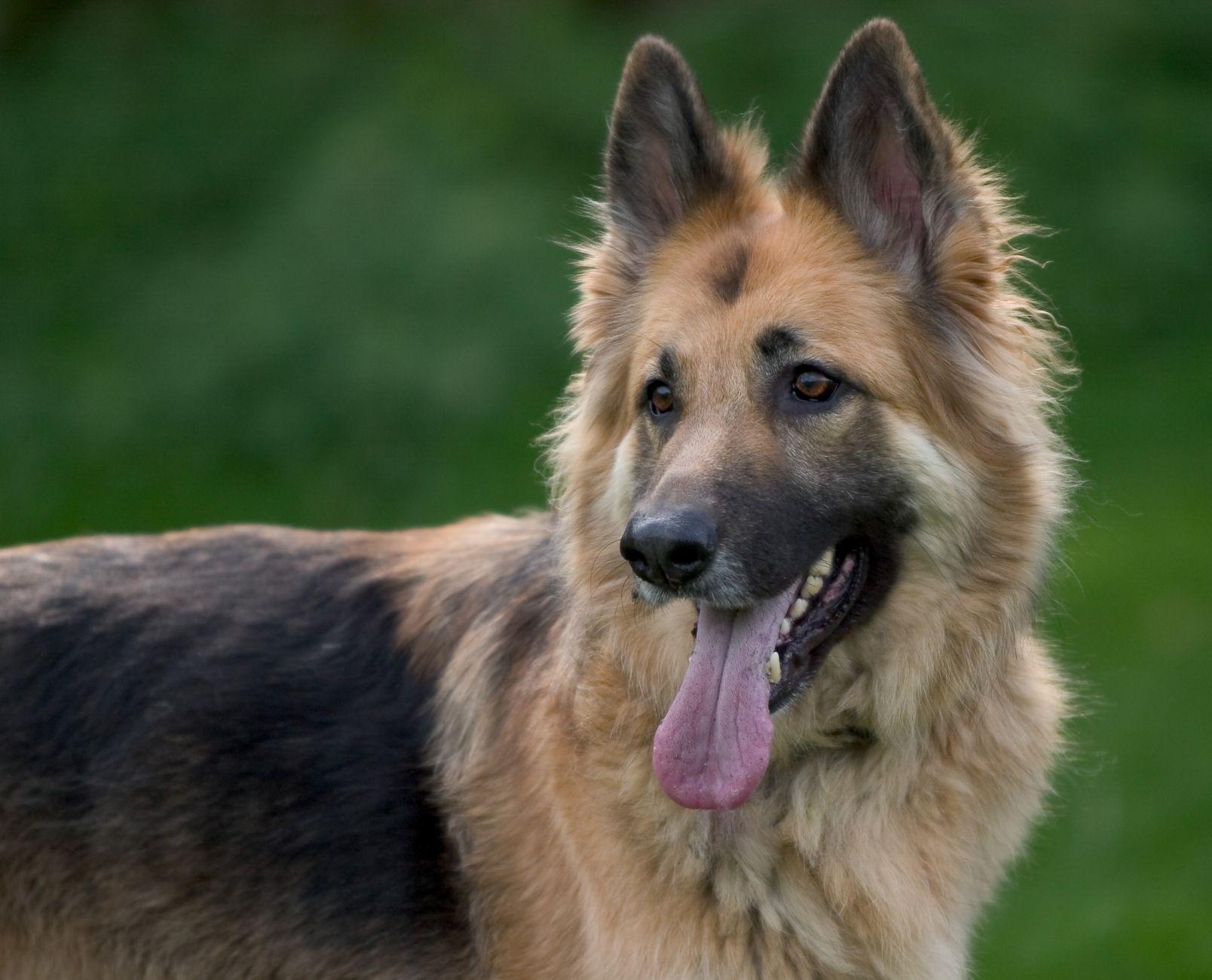
When talking about hip problems, genetics are a major part of the picture. Veterinary articles consistently describe hip dysplasia as a hereditary condition that appears most often in large and giant breeds such as German Shepherds, Golden Retrievers and Labradors. Instead of a single gene, several genes interact with growth, nutrition and environment, leading to looseness in the joint or a shallow hip socket during development. The second factor is simple mechanics: larger body size means more load on each joint, especially the hips. If the bones and supporting muscles do not develop in balance, repeated stress can lead to wear and structural changes. This explains why, under similar feeding and exercise routines, small dogs may remain comfortable while large dogs from the same household show hip-related signs earlier.
How hip dysplasia develops during the growth phase
The hip is a classic ball-and-socket joint that depends on a snug fit to stay stable under movement. Veterinary explanations note that the first year of life is a critical window for skeletal and joint development in dogs. If bones grow very quickly while surrounding muscles and soft tissues lag behind, the joint can become loose. A shallow or poorly angled socket may fail to cover the femoral head adequately, allowing small shifts and abnormal contact during each step. Over time this can lead to pain and degenerative changes. Growth that is too rapid, calorie-dense diets, overnutrition and very intense exercise in young puppies are all described as factors that can increase the risk or severity of hip dysplasia. For owners, this means that energetic behavior in a young large-breed puppy does not justify unlimited jumping, stair running or hard-surface sprinting, especially during the key growth months.
Weight management and nutrition: the owner’s most direct influence
Among all modifiable factors, body weight is one of the most emphasized in veterinary guidance. Large dogs naturally place more mechanical load on their joints; excess weight further increases that load on the hips. Owners can monitor weight regularly, feel for ribs and observe the waistline, then compare with ideal body condition charts or targets suggested by their veterinarian. From a nutrition standpoint, faster growth is not always better. Extremely high-calorie diets or unsupervised mineral supplementation, such as large amounts of calcium, may disrupt the balance between bone formation and soft tissue support. A safer approach is to feed commercial diets specifically formulated for large-breed puppies, following package guidelines and adjusting with veterinary input. When considering additional supplements, it is wise to ask a vet about suitability and timing rather than relying on marketing claims.
Exercise, surfaces and home environment
Many owners equate more exercise with better health, but for growing large-breed dogs the type and intensity of activity matter more than sheer duration. High-impact actions like chasing balls for long periods, jumping off furniture, or sprinting on concrete can repeatedly jar still-developing hips. Veterinarians tend to recommend short, controlled walks and gentle play on grass or non-slip flooring, which help build muscle without excessive shock to the joints. The home environment also influences everyday load: slippery floors, frequent stair use and routine jumping in and out of cars or onto beds can all stress the hips. Simple adjustments such as adding rugs or mats, using ramps, and lifting the dog into the car instead of expecting a high jump can reduce unnecessary strain and are practical ways for owners to take responsibility for long-term joint health.
Early signs of hip problems: behavior changes to watch for
Because many dogs try to stay active despite discomfort, early signs of hip problems are often subtle and expressed as changes in routine rather than obvious crying or limping. Owners can pay attention to patterns such as a swaying rear end while walking, uneven hind leg steps, a “bunny hopping” run, or slower and more cautious movements when standing up or lying down. Some dogs stop jumping onto furniture or into cars even though they used to enjoy it. After exercise, there may be mild lameness, hesitancy to climb stairs, or sensitivity when the hips and rear legs are touched. These signs do not prove that hip dysplasia is present, because other joint or muscle conditions can look similar, but they are clear reasons to schedule a veterinary exam. In senior large dogs, a sudden drop in enthusiasm for walks or repeated requests to rest early during outings can also signal underlying hip or joint changes.
Veterinary assessment and the role of professional advice
Visual observation alone rarely reveals the exact condition of the hip joint. Once owners notice suspicious signs, consulting a veterinarian is the most reliable next step. A typical assessment may include a detailed history, physical examination of joint stability and pain responses, and imaging such as X-rays to evaluate socket depth, femoral head position and any degenerative changes. Some clinics encourage screening of high-risk breeds during the growth phase to understand hip development early and use that information to guide weight and exercise plans. All medical information in this article is meant for general understanding and discussion; actual diagnosis and treatment decisions must be made by a licensed veterinarian based on each individual dog. If there is marked pain, inability to stand, or sudden severe lameness, immediate veterinary attention is recommended rather than home adjustments or waiting to see if the issue resolves.
Owner responsibility and realistic prevention strategies
When different veterinary sources are compared, a consistent message emerges: genetics set a baseline risk for hip dysplasia in large breeds, but everyday management clearly influences how that risk plays out. Responsible ownership includes choosing reputable breeders or adoption programs that address hereditary issues, avoiding excessive nutrition and high-impact exercise during puppy growth, maintaining a healthy weight, providing a safe, non-slip living space, and arranging regular health checks. There is no single food, supplement or exercise routine that can entirely remove genetic risk, so expectations should stay realistic and centered on comfort and function rather than perfection. This article is intended for informational purposes only and does not replace professional medical advice. Owners who have any concern about their dog’s hips or overall joint health are encouraged to speak with a veterinarian, review appropriate diagnostic options, and design a long-term care plan that fits their dog’s age, lifestyle and individual needs.