Start with body condition, not just weight
A pet’s weight alone does not tell the full story. Two dogs or cats can weigh the same and still have very different body shapes because of breed, frame size, age, and muscle mass. That is why veterinarians often use BCS, or Body Condition Score, a practical way to judge both appearance and touch. For most owners, it is more useful than a scale number alone because it reflects what the pet actually looks and feels like at home.
How the 9-point BCS scale works
BCS is usually scored from 1 to 9. In general, 1–3 means underweight, 4–5 means ideal body condition, and 6–9 means overweight to obese. A veterinary guide from Union Animal Hospital describes the ideal range as one where the ribs can be felt without standing out, and the waistline remains visible. When ribs become hard to feel and the waist disappears, the body condition is moving into the overweight range.
The three checks that matter most
Owners can do a simple check at home by combining sight and touch. First, feel the ribs; if you need to press firmly before finding them, the fat layer is likely too thick. Second, look at the waist from above; a healthy shape should narrow behind the ribs instead of looking round or cylindrical. Third, check the abdominal tuck from the side; the belly should curve slightly upward rather than hang down. Using all three views gives a far clearer picture than judging by fur alone.
Signs that suggest excess body fat
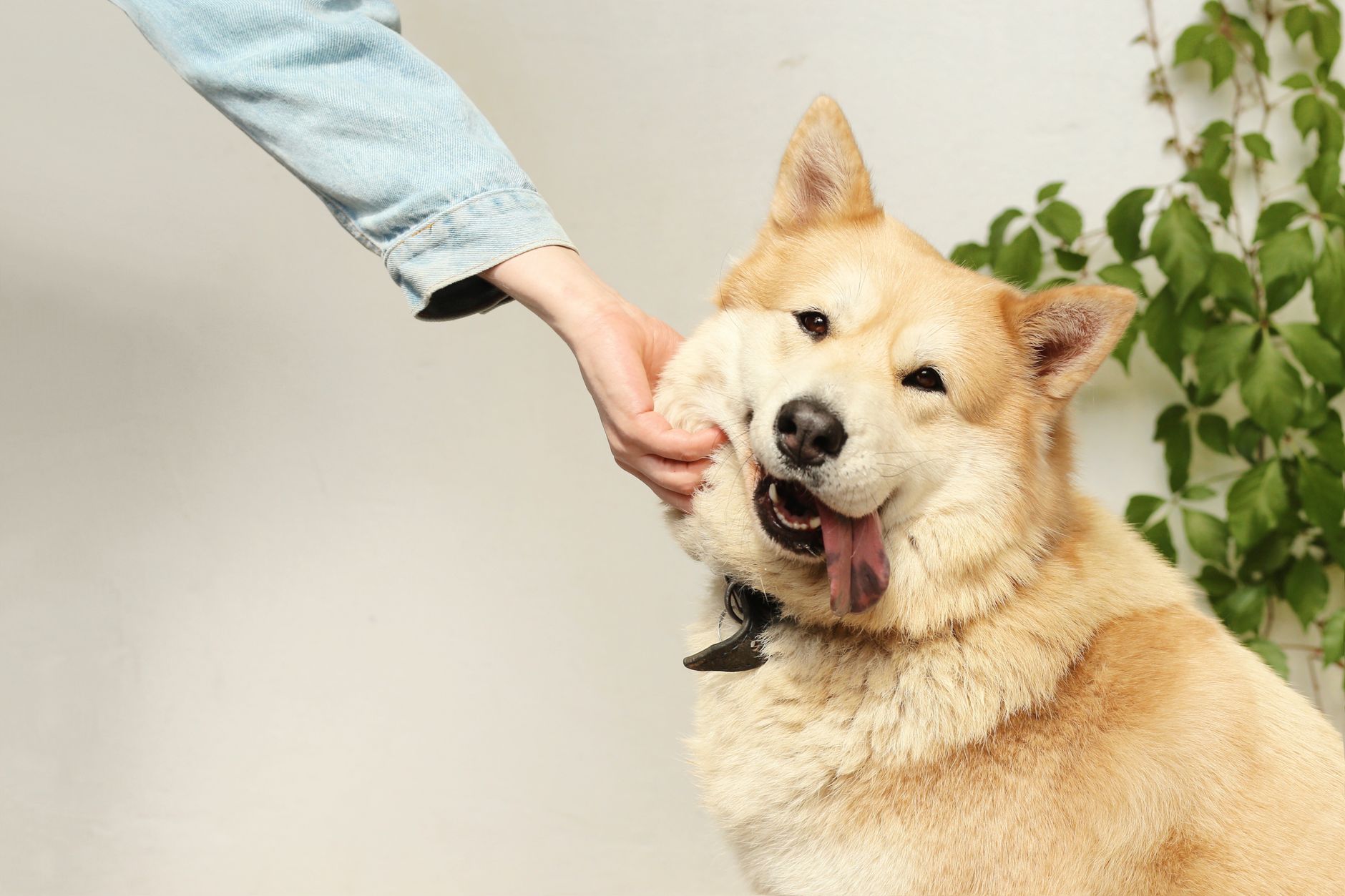
When a pet’s ribs are difficult to feel, the waist is no longer visible, and the abdomen looks padded or rounded, the pet is often in the overweight or obese range. Long-haired cats and fluffy dogs are especially easy to misread because coat volume can hide the true outline. What matters most is the body shape beneath the fur: a round silhouette, reduced rib definition, and a body that no longer looks tapered at the waist are all common warning signs.
Everyday clues owners often notice
Body condition also shows up in daily behavior. A cat that jumps less than before, or a dog that gets winded quickly on short walks, may be carrying extra body fat. Slower movement, less interest in play, or reluctance to climb stairs can also be useful clues. These signs do not replace a veterinary exam, but they help owners notice changes early instead of assuming the pet is simply getting older.
When to ask a vet to confirm
If the score is unclear, or if the pet also has reduced activity, appetite changes, or joint discomfort, a veterinarian should confirm the assessment. Vets do more than assign a number: they also consider breed, age, neuter status, diet, and exercise habits. That broader context helps separate temporary weight gain from a real body condition issue, and it makes follow-up planning much more practical.
A simple routine that keeps BCS on track
Treat BCS as a regular household check rather than something to think about only after visible weight gain. Many owners find it helpful to check once a month, take the same angle of photos, and compare how the ribs, waist, and belly look over time. If the trend is moving upward, it is easier to discuss food portions and activity with a veterinarian early. For pets, steady habits are usually easier to maintain than sudden changes.