Start with the goal, not just the scale
The most common mistake in pet weight management is focusing only on body weight while ignoring body condition, muscle mass, and daily activity. For veterinarians, the real target is a healthier shape and better routine, not simply a lower number on the scale. Some pets may only look heavy because of a fluffy coat, so checking the waistline, rib feel, and overall energy gives a much clearer picture. Before changing food, owners should review portion sizes, snack habits, and whether multiple family members are adding extra treats without noticing.
The right approach: measure calories first
A safer plan starts with estimating daily calories from the pet’s ideal weight, then adjusting intake gradually. Most weight-loss plans for dogs use a slow pace, while cats need even more caution because rapid loss can create additional risks. In practice, the easiest upgrade is to weigh food with a kitchen scale instead of relying on a cup, because small errors add up fast. For homes with more than one pet, separate feeding is also important so that one pet does not finish another’s leftovers and quietly double the calorie intake.
Common traps: treats, table scraps, and “just one bite”
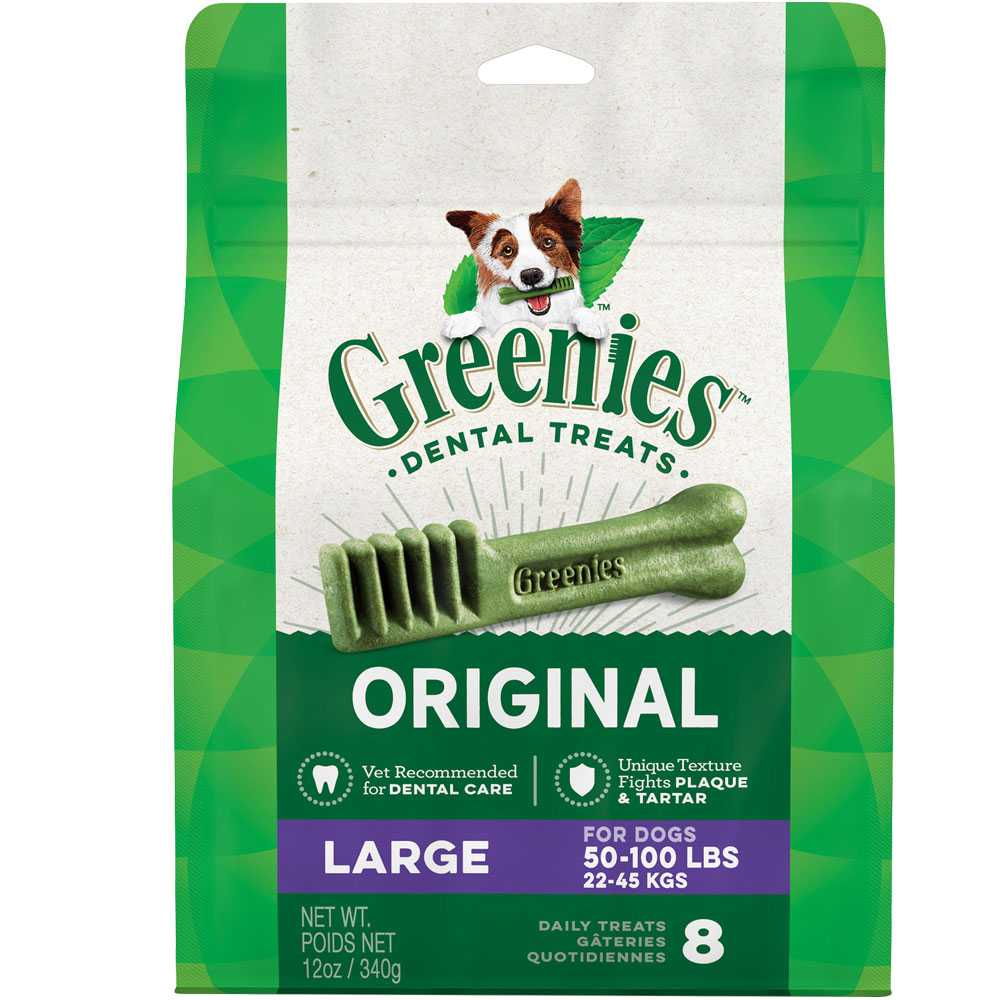
Many plans fail not because the main meal is too large, but because treats, jerky, cheese, bread crumbs, or table scraps quietly bring calories back in. Veterinarians often point out that snacks should stay a small part of the daily intake, otherwise the plan becomes inaccurate very quickly. Another trap is cutting food too aggressively in the name of “faster results,” which can leave pets frustrated and constantly begging. If a pet is picky, the better starting point is a fixed meal schedule, measured portions, and fewer extra rewards from the table or the sofa.
Exercise matters, but it cannot carry the whole plan
Many owners hope that longer walks will cancel out extra weight, but in reality, food control usually matters more than exercise alone. For dogs, short and consistent walks are easier to maintain than occasional long outings; for cats, play sessions with wand toys or chase games fit better than one long workout. The goal is not a single intense session, but a routine that can happen every day. If the pet is older, has joint issues, or is already inactive, the exercise plan should stay conservative so weight management does not turn into soreness or resistance.
Track progress every week, not by feeling
Weight-loss plans often stall because the owner thinks things are working without checking the numbers. A good routine is to weigh the pet on the same schedule, at roughly the same time, and pair that with photos and body-shape checks. If the weight drops too quickly, or appetite, stool, or energy changes noticeably, the plan should be reassessed instead of pushed harder. If there is no progress after several weeks, the first step is to check for hidden treats, portion errors, or a routine that is less consistent than it seems.
When to ask a veterinarian first
Some pets should not follow an internet-style weight-loss plan without a proper exam, including seniors, growing animals, pregnant or nursing pets, and pets taking medication. In these cases, a vet visit helps identify whether the weight issue is related to age, routine, or an underlying medical condition. If there is any concern about endocrine or metabolic problems, professional guidance is more reliable than simply cutting food. For owners, the most practical approach is not the fastest one, but the one the whole household can follow consistently over time.