When a dog or cat has not passed stool for a while, repeatedly squats without producing much, or leaves behind small, dry pellets, constipation is one possibility. It is not the only one: straining can also occur with urinary blockage, a swallowed object, painful disease, or another digestive problem. The most useful assessment combines bowel-movement timing with stool appearance, appetite, water intake, energy, urination, and signs of abdominal pain. This guide explains what caregivers can observe safely and when a veterinary examination should take priority. It is general educational information, not a substitute for veterinary diagnosis.
First distinguish constipation from trouble urinating
Common signs of constipation include repeated squatting, circling, pushing for a long time, vocalizing, and passing hard or unusually small stools. Some pets produce only mucus or a small amount of liquid after prolonged straining, which does not necessarily mean the colon has emptied. Cats deserve particular attention because repeated trips to the litter box may reflect urinary obstruction rather than constipation. If there is no clear urine output, especially in a male cat, the situation should be treated as urgent rather than watched at home.
- Record the last normal bowel movement and urination.
- Check whether the pet produced stool, urine, both, or neither.
- Note crying, hiding, genital licking, a tense abdomen, or sudden restlessness.
Stool changes that should be taken seriously
Constipated pets often pass feces that are unusually dry, firm, cracked, small, or difficult to break apart. A thin or ribbon-like stool can occur when passage is being restricted, while mucus or blood after repeated straining deserves attention even if a small amount of feces was produced. Possible contributing factors include low water intake, reduced activity, diet changes, swallowed hair, bones, toys, or other foreign material. Older pets, overweight pets, and animals with chronic illness or recent medication changes may need a lower threshold for professional assessment.
Caregivers can record the number of bowel movements, approximate volume, color, and texture, and take a photograph when the appearance is unusual. Black, tar-like stool, repeated fresh blood, severe odor, or persistently narrow stool should be discussed with a veterinarian. For cats, litter-box cleanliness, location, and easy access also matter because an unpleasant or stressful box may alter elimination behavior. In multi-cat homes, separate observation is useful because shared litter boxes can make one animal’s output difficult to identify.
Safe steps to consider at home
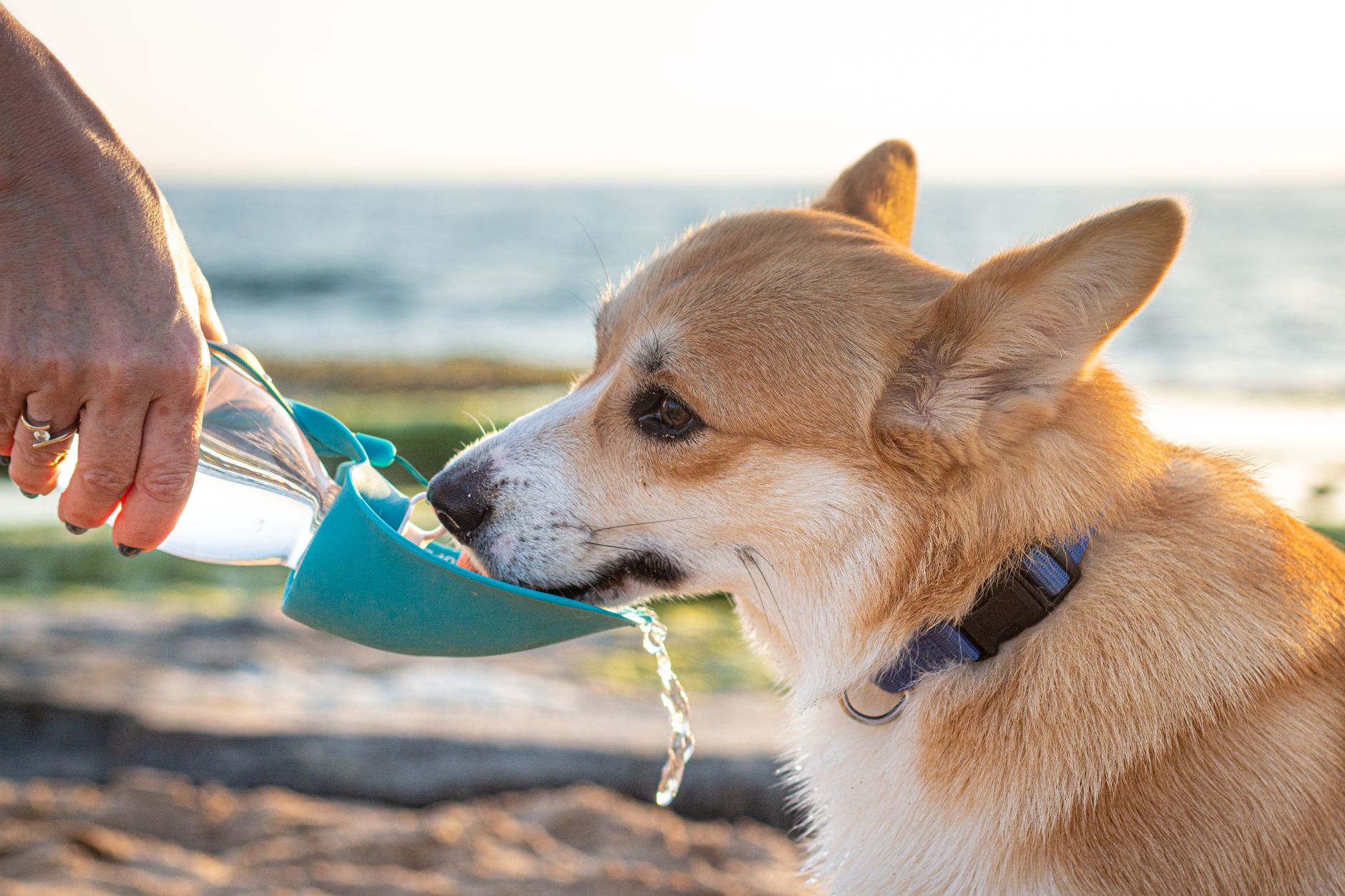
If the pet remains fairly bright, is eating and drinking, has no vomiting or marked pain, and the change is recent, caregivers can provide fresh water and encourage gentle activity. Dogs may benefit from a calm walk, while cats can be offered play and an easy-to-reach, clean litter box. Avoid sudden large diet changes, bones, fatty treats, and human laxatives. Plain pumpkin or sweet potato is sometimes discussed as a fiber option, but suitability and portion depend on the animal’s diet, medical history, and the suspected cause, so a veterinarian should be consulted first.
The purpose of home care is observation, not forceful evacuation. Do not give human enemas or stool softeners without veterinary instructions, and do not rely on abdominal massage when obstruction is possible. Some products can be dangerous to pets, and pushing stool through a blockage may worsen injury. Regular brushing may be appropriate for long-haired cats when recommended by a veterinarian, while all pets should be kept away from bones, fabric, plastic, toy fragments, and other objects they may swallow.
When veterinary care should come first
Contact a veterinarian promptly if the pet has gone more than two to three days without stool, repeatedly strains without producing anything, or develops vomiting, a painful or swollen abdomen, marked appetite loss, lethargy, dehydration, or weakness. Persistent crying during defecation, visible blood, collapse, or a known swallowed object also warrants urgent guidance. Puppies, kittens, senior pets, pregnant animals, and pets with chronic disease or recent surgery may deteriorate more quickly and should be assessed earlier.
Before the appointment, prepare the time of the last normal stool, recent foods and treats, water intake, vomiting episodes, urination, medications, and possible access to foreign objects. The veterinarian may use a physical examination, abdominal palpation, radiographs, or other tests to distinguish dry stool from severe impaction, obstruction, megacolon, or another underlying disorder. Treatment depends on the cause and may involve veterinary-directed fluids, stool-softening care, removal of impacted feces, or treatment of the primary disease; these steps should not be copied without professional direction.
Building a useful daily monitoring routine
The best long-term habit is to notice elimination changes before the pet becomes severely uncomfortable. During walks, dog caregivers can observe frequency and stool form; cat caregivers can check litter-box clumps and feces during daily cleaning. Consistent feeding, access to fresh water, suitable activity, and gradual diet transitions make changes easier to identify, but these routines do not rule out illness or guarantee that constipation will not recur.
Repeated episodes deserve a veterinary discussion about diet composition, water intake, body condition, activity, hair ingestion, and medication effects. Cats with recurring constipation may need evaluation for megacolon or other intestinal disease, while dogs may require assessment of pelvic anatomy, prostate enlargement, masses, neurologic problems, or foreign material. A simple log with dates, stool photographs, appetite, vomiting, urination, and behavior can provide more useful information than repeatedly trying home remedies without knowing the cause.
Responsible constipation care starts with confirming that the pet can urinate, documenting the change, and avoiding human medications. A brief, mild change may allow careful observation with fresh water, gentle activity, and a clean litter area, but persistent straining, no stool, vomiting, pain, weakness, or suspected urinary blockage should prompt veterinary contact. Early clarification is safer than assuming every litter-box or bathroom problem is ordinary constipation. This information is for general education only; the examining veterinarian should guide decisions for an individual pet.