More and more owners in Taiwan want their dogs and cats to join them for brunch, coffee breaks or weekend getaways, but the label pet-friendly can mean very different things depending on each business. Before heading out, it helps to understand what restaurants and hotels usually allow, and what they expect from owners who bring animals into shared spaces. This guide walks through practical ways to search for pet-friendly places in Taiwan, then focuses on responsible behavior, health checks and safety points that veterinarians often highlight. All information is meant as general reference only, and any health-related decision should be discussed with a professional veterinarian or relevant expert.
What “pet-friendly” usually means in Taiwan
In Taiwan there is no single official standard for pet-friendly venues, so every restaurant, café or hotel sets its own rules about where animals can go and how they should be managed. Some places only allow pets on outdoor terraces, others accept small dogs in strollers indoors, and a few offer dedicated pet areas with fences and water bowls. Many businesses clearly state that pets must stay on leash, may not sit at the table, and should not disturb other guests. Understanding that pet-friendly does not equal unrestricted roaming helps owners plan realistically: bringing a leash or harness, a pee pad, and cleaning supplies makes it easier to respect the space. Checking these details ahead of time also lowers the chance of awkward situations at the door, such as being turned away because the pet is too large or not contained.
Using maps, platforms and communities to find pet-friendly restaurants
When searching for pet-friendly restaurants in Taiwan, owners often start with map apps and social platforms, entering keywords like “pet friendly cafe Taipei” or “dog friendly restaurant Kaohsiung” to see nearby options. Photo galleries and reviews give a first impression of seating layout, whether there are outdoor tables, and how staff respond to pets on site. In addition, Taiwan has several pet-focused blogs and social media groups that collect pet-friendly places by city, sometimes noting whether pets can stay indoors, whether bowls or snacks are provided, and how crowded the space tends to be. Beyond food quality, pay attention to comments about noise level, the distance between tables, and how frequently other dogs are present, since these factors affect whether a sensitive animal can stay calm. If the outing includes a park visit or a walk, map tools also help confirm nearby green areas and pedestrian routes so pets are not confined to tight indoor spaces for too long.
Finding pet-friendly accommodation and reading the fine print
Pet-friendly accommodation in Taiwan usually comes with more conditions than restaurants, such as cleaning fees, limits on body weight or number of animals, and clear rules about whether pets may sleep on beds or sofas. Before booking, owners should read the room description and FAQ carefully, then contact the hotel or guesthouse if anything is unclear. Asking directly about pet rules, extra charges and where pets may walk can prevent misunderstandings at check-in. Some properties provide basic pet supplies like pee pads, bowls or simple fences, but pets often feel more secure with their own bed or blanket from home. From the perspective of housekeeping staff and the next guest, keeping the room reasonably clean and avoiding excessive barking is an important part of being considerate. If a pet has existing medical issues or high stress in new environments, it is sensible to discuss trip plans with a veterinarian in advance; article suggestions are general only and do not replace professional judgment.
Preparing for the trip: health, packing list and risk awareness
Many veterinarians remind owners that a pet’s recent health status and preventive care are foundational when planning outings to public spaces. If a dog or cat has ongoing digestive upset, skin itching or respiratory signs, staying home or seeking veterinary advice is usually safer than visiting busy cafés or hotels. Owners can review vaccination records, parasite prevention and past medical notes with their clinic to understand whether the pet is ready for longer travel. A simple packing list helps too: leash and harness, poop bags, pee pads, regular food, portable water container, and comfort items like a familiar blanket or carrier. For animals that may feel anxious, a secure resting spot away from foot traffic can make a big difference. It is also prudent to look up nearby animal hospitals at the destination so owners know where to seek help if something unexpected occurs, while remembering that any emergency decision should follow local professional guidance.
On-site etiquette: protecting pets, other guests and the venue
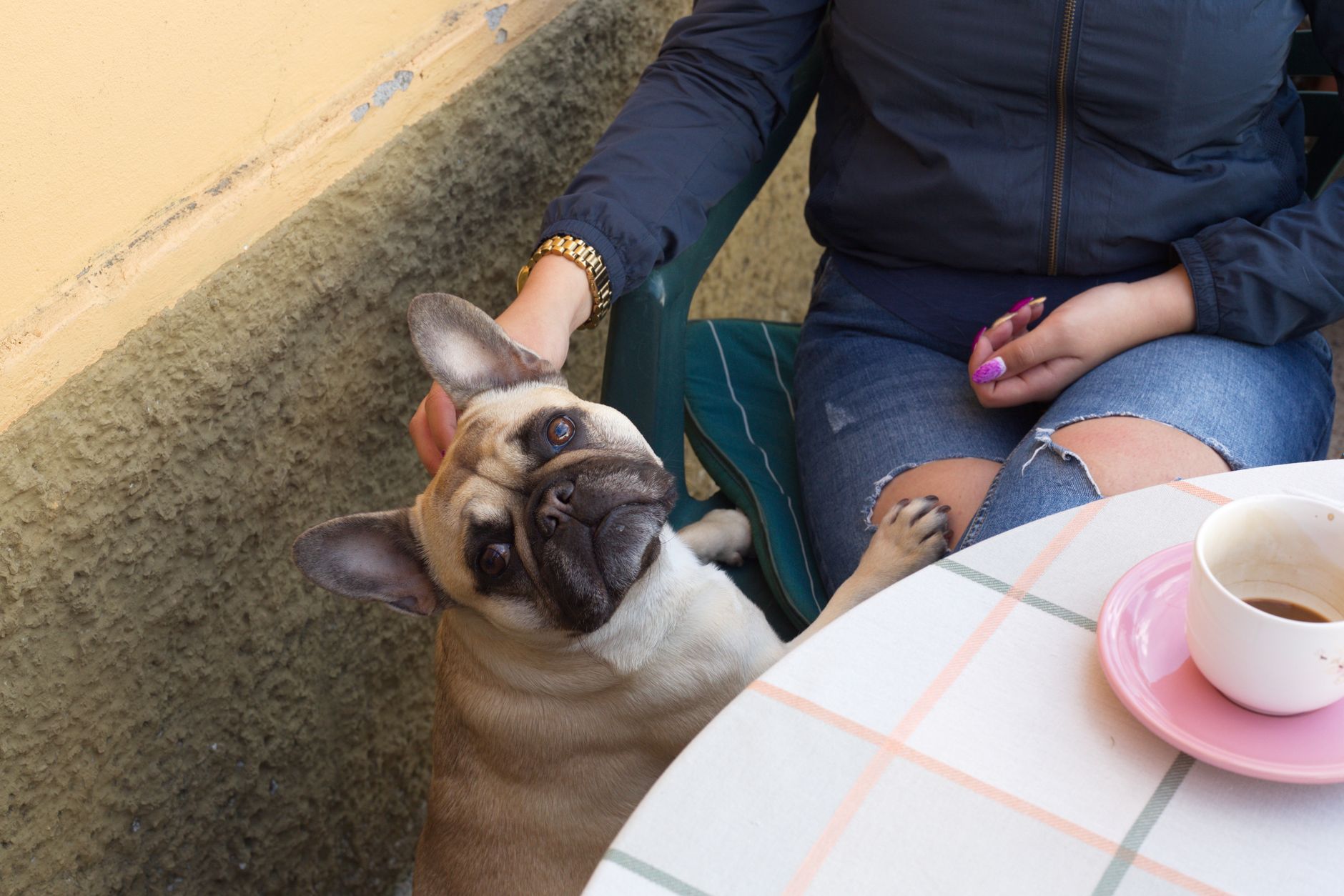
Once inside a pet-friendly restaurant or hotel, the owner’s conduct largely determines whether the experience remains pleasant for everyone. Keeping pets on leash or within a stroller or soft crate reduces the risk of sudden running between tables, jumping on strangers or colliding with staff carrying hot dishes. During meals, most venues expect pets to stay beside the chair or under the table rather than on seats or tabletops, and human tableware should not be used directly for feeding animals. If a dog begins barking repeatedly or a cat shows strong stress signals, stepping outside or moving to a quieter area to calm them shows respect for others sharing the space. In cases of accidents such as pee or vomit, owners are usually encouraged to clean up promptly and inform staff, who may provide suitable cleaning products. This kind of proactive response helps businesses maintain hygiene standards and stay open to pets in the long term.
Is every pet suitable for pet-friendly outings?
Not every animal enjoys crowds, new sounds or contact with unfamiliar dogs and people, and recognizing individual differences is part of responsible ownership. Owners can observe daily behavior to judge suitability: for example, does the dog often shy away from strangers, become startled by loud noises, or show tension during walks in busy streets? A pet with a history of aggression, severe separation anxiety or chronic illness may find long stays in restaurants or hotels particularly challenging, and it is wise to review such cases with a veterinarian or behavior professional. Even physically healthy animals may simply prefer quiet time at home, and forcing them into highly stimulating environments can increase stress rather than enhance quality of life. Centering trip plans on the pet’s comfort level instead of human photo opportunities helps reduce problems and supports more stable, predictable experiences for everyone involved.
Closing thoughts: making “pet-friendly” sustainable through owner responsibility
Finding pet-friendly restaurants and places to stay in Taiwan is relatively straightforward once owners know which tools and communities to use. The deeper question is whether pet-friendly spaces remain welcoming in the long run, and this depends heavily on how respectfully owners manage their animals. Transparent communication with businesses, honest health and temperament assessment, and visible efforts to keep spaces clean and calm all contribute to a positive atmosphere. When owners treat pet-friendly access as a privilege that requires care, cafés and hotels are more likely to continue investing in suitable layouts and services for animal companions. Any information in this guide, especially regarding health or safety, is for general reference only and cannot replace personalized advice from veterinarians or other professionals. By placing responsibility and mutual respect at the center, pet-friendly outings become more than a trend, turning into a stable way for people and animals to share public spaces comfortably.