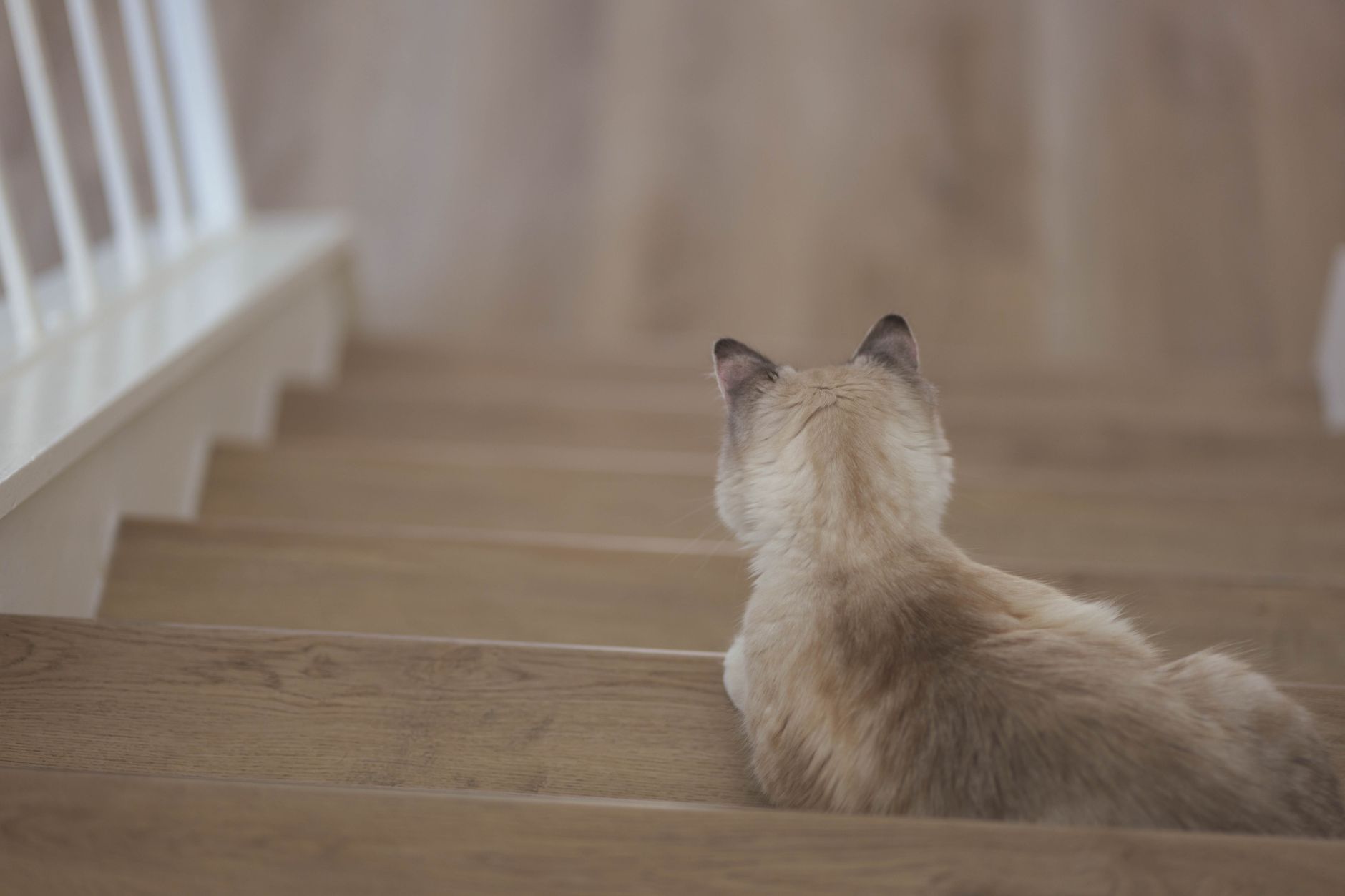
Senior cats can develop osteoarthritis, yet many owners notice the condition only after everyday routines have changed substantially. Cats often hide pain rather than cry out, so sleeping more, avoiding a favorite windowsill, or becoming less tolerant of handling may be more informative than obvious limping. A gradual change in jumping, stair use, grooming, litter-box access, or social behavior deserves attention. This guide explains commonly missed signs, what a veterinarian may assess, and practical ways to make the home easier to navigate. It is general information only and does not replace an individual veterinary examination.
Can Cats Really Develop Arthritis?
Yes. Feline osteoarthritis is a degenerative joint condition that becomes more common with age, although previous injuries, abnormal joint structure, body weight, and other medical conditions can also contribute. A veterinarian may combine the cat’s history, movement patterns, physical examination, joint palpation, and imaging such as radiographs when appropriate. Imaging findings do not always match the level of discomfort a cat shows at home, which is why owner observations are valuable. International feline-care guidance and veterinary hospitals note that reduced activity and altered behavior may appear before a clear limp. A persistent change should be assessed rather than dismissed as normal aging.
Subtle Signs Owners Often Miss
A cat with joint discomfort may rise slowly after resting, hesitate before jumping, choose lower routes, or stop using stairs. Play and exploration may decline, while resting increases and favorite sleeping spots shift to places that are easier to reach. Grooming can become less thorough, particularly around the back and hindquarters, leading to a dull or matted coat; some cats may overgroom a painful area instead. Other possible clues include hiding, irritability, sensitivity when touched, longer claws, or toileting outside the litter box. None of these signs proves arthritis, because several illnesses can cause similar changes, but a pattern is worth documenting.
- Watch how the cat stands, turns, walks, and settles down.
- Note whether furniture, cat trees, or windowsills are used less often.
- Check grooming, coat condition, claw length, and litter-box habits.
- Record changes with short videos for the veterinary appointment.
Why Limping May Not Be Obvious
Cats frequently adapt their movements to avoid discomfort. Instead of refusing to climb completely, a cat may use a chair as an intermediate step, jump less often, or avoid jumping down from a high surface. Some cats become quiet and withdrawn, while others react with hissing, swatting, or sudden irritation when a painful area is touched. These responses can look like a personality change, but they may be a way of communicating that handling or movement feels unpleasant. Veterinary evaluation is important because dental pain, kidney disease, thyroid disorders, neurological problems, soft-tissue injuries, and other musculoskeletal conditions can also reduce activity.
What Happens During a Veterinary Assessment?
Before the visit, owners should note when the change began, which activities are affected, appetite and water intake, weight changes, elimination habits, previous injuries, and current medications or supplements. The veterinarian will usually review the history and perform a physical examination, including observation of movement and palpation of joints for pain, stiffness, swelling, or reduced range of motion. Radiographs or other tests may be recommended, and blood testing can be useful in senior cats when other conditions need to be considered. The goal is not simply to label a joint as arthritic, but to identify the likely sources of discomfort and select a plan suitable for that individual cat. Human pain medicines and unapproved supplements should never be given without veterinary direction.
Making the Home Easier to Navigate
Environmental changes can reduce the need for difficult jumps and long trips between essential resources. A stable stool or ramp beside a favorite elevated resting place can provide an intermediate route, while nonslip mats may make smooth floors more secure. Soft bedding with an easy entrance can be placed near familiar resting areas, and food and water should be accessible without requiring repeated climbs. A low-entry litter box may be easier for a stiff cat, especially when the current box has high sides. Changes should be introduced gradually and kept stable, because senior cats may take time to accept new objects or altered pathways.
- Place nonslip surfaces along frequently used routes.
- Keep food, water, resting areas, and litter boxes easy to reach.
- Use stable steps near preferred furniture rather than forcing high jumps.
- Check ramps, beds, and cat trees regularly for movement or damage.
Ongoing Care and Useful Records
Joint care is usually an ongoing management issue, so a simple weekly record can reveal trends that are difficult to notice day by day. Owners can track jumping, play, grooming, walking, litter-box access, interaction, sleeping locations, and reactions to touch. Body condition also deserves attention: excess weight can place additional load on joints, while unexplained weight loss in a senior cat requires veterinary assessment rather than casual food restriction. Activity should remain voluntary and comfortable; forcing repeated jumping or intense exercise can increase distress. If medication is prescribed, follow the exact instructions and watch for changes such as vomiting, diarrhea, appetite loss, unusual lethargy, or altered urination. Contact the clinic promptly if signs appear suddenly or worsen quickly.
The key warning is often not a dramatic inability to walk, but the gradual loss of activities a cat once enjoyed. A senior cat that no longer reaches a windowsill, grooms normally, enters the litter box comfortably, or accepts familiar handling may be communicating a health problem. Careful observation, timely veterinary assessment, and practical environmental changes give owners a clearer basis for supporting the cat’s daily routine. Each cat differs in cause, pain level, kidney status, and medication risk, so treatment decisions must be individualized by a veterinarian. This article is for general reference and should not replace professional veterinary advice.