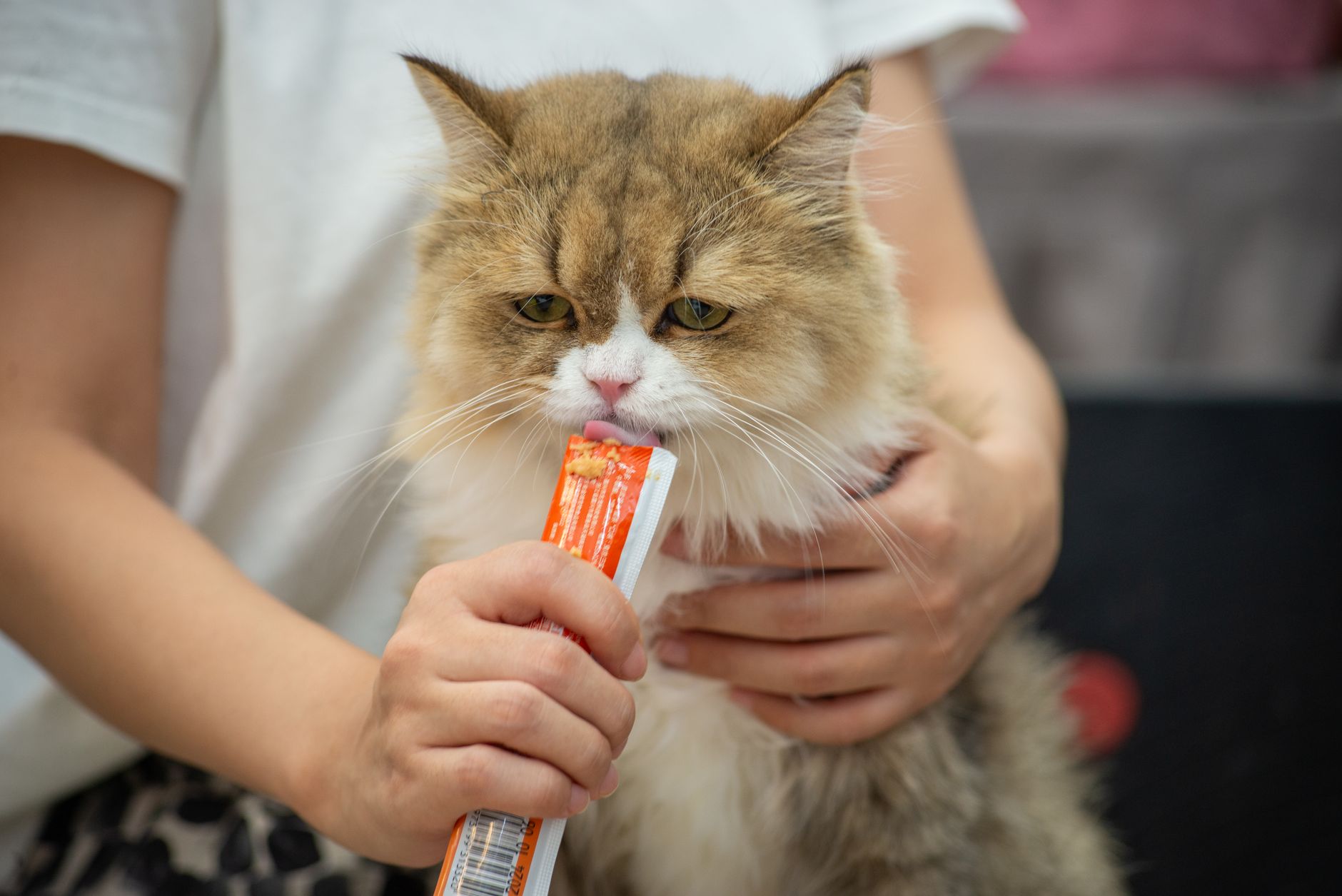
Cat puree treats may look like a small snack, but in real life they often serve as training rewards, medication helpers, or a way to tempt picky eaters. Because they are highly palatable, it is easy for owners to overfeed them and accidentally crowd out regular meals or add too many calories. For that reason, choosing the right puree is less about the brand name on the front of the pack and more about ingredients, portion control, and storage.
Start with the ingredient list, not the marketing claims
A better cat puree usually lists animal protein first, such as chicken, tuna, or bonito, which makes it easier to understand what the cat is actually eating. When the label is crowded with flavorings, colorants, or a long chain of thickeners, it becomes harder to judge how a sensitive cat may respond. For first-time buyers, a single-protein recipe with fewer extras is often the easiest place to start, especially if the cat has a sensitive stomach or a history of food fussiness.
Sodium, phosphorus, and calories matter more than many people think
Puree treats are not a free snack that can be offered all day without thought. For senior cats, cats with low water intake, or cats on special diets, sodium, phosphorus, and total calories deserve closer attention than trendy claims like grain-free or high-protein. If a cat is already on a prescription diet or has age-related needs, puree should be treated as a small add-on rather than a meal replacement, and the daily intake should still fit the cat’s total calorie budget.
The way it is fed matters just as much as the product itself
The most common mistake is not buying the wrong flavor, but offering puree too often. It works best as a reward, a calm-down tool, or a small topper in specific situations such as nail trimming or transport, instead of something that shows up in every meal. If puree becomes the only way a cat will finish regular food, the cat may learn to wait for the treat and ignore the main diet. In practice, a healthy routine usually means feeding the main meal first and using puree as a controlled extra.
Storage and texture are part of the buying decision
Most puree treats come in squeezable packs or small tubes, so convenience is a big part of the experience. Once opened, they should be stored according to the package directions and used quickly enough to avoid quality loss. If the pouch is difficult to squeeze cleanly, the texture separates, or the smell changes, it is better not to feed it. A product that is easy to store, easy to portion, and easy to clean up is much more likely to stay in regular rotation.
How to choose the best option for your home
If it is your first time buying cat puree, start with a small pack, a simple recipe, and a flavor your cat is likely to accept. Multi-cat homes can test different proteins to avoid buying a large supply of something only one cat likes, while cats with sensitive digestion usually do better with fewer ingredients and fewer mixed recipes. Price matters too, but the real value is whether the treat is easy to control, easy to store, and acceptable to both the cat and the person who has to keep buying it.
A practical way to think about cat puree treats
The most useful puree treats are the ones that fit a clear purpose: rewarding good behavior, supporting medication time, or helping during a temporary appetite dip. When the ingredient list is straightforward, the portion is easy to control, and the packaging works in your daily routine, the product becomes much easier to use consistently. If your cat is older, sensitive, or already on a structured diet, a careful label check is more useful than chasing the most popular flavor on the shelf.